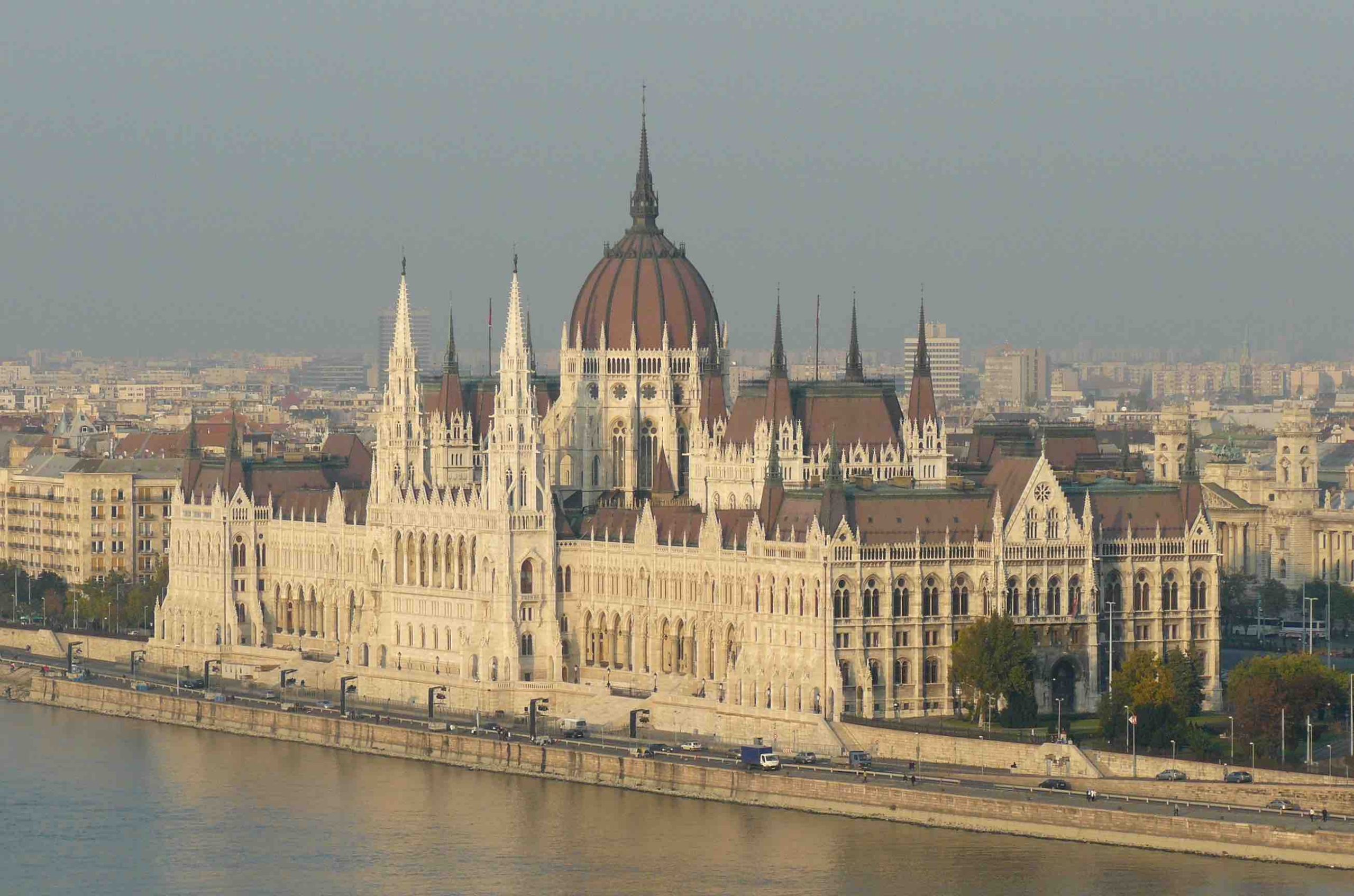
Hungary’s parliament has approved one of the most consequential constitutional changes since the country’s transition from communist rule, imposing an eight-year limit on the tenure of future prime ministers.
The move delivers on a central pledge made by Prime Minister Péter Magyar and reflects a broader effort to reshape the country’s political landscape after April’s watershed election.
The amendment, passed comfortably thanks to the governing Tisza party’s two-thirds parliamentary majority, prevents any individual who has served two terms as prime minister since 1990 from returning to the office. The provision effectively closes the door on the political comeback of Viktor Orbán, who led Hungary uninterrupted for 16 years before his party suffered a dramatic defeat earlier this year.
For supporters of the measure, the reform represents a decisive step towards strengthening democratic safeguards and preventing the concentration of power in the hands of a single leader. By limiting the duration of executive authority, Hungary is aligning itself more closely with practices designed to encourage political renewal and accountability.
Orbán‘s Fidesz party opposed the amendment, arguing that it unfairly excludes political rivals from future competition. The former prime minister himself criticised the government’s focus on long-term constitutional engineering so early in its tenure. Yet proponents point out that the new rules apply universally, including to Magyar, whose own time in office would end in 2034 under the revised framework.
The constitutional amendment forms part of a much wider reform programme launched by the new administration. Magyar entered office promising to dismantle aspects of the state architecture established during Fidesz’s lengthy period in power, particularly those viewed by critics as limiting institutional independence or weakening oversight mechanisms.
Among the measures adopted is the abolition of the Sovereignty Protection Office, an agency established in 2023 to monitor alleged foreign political influence. Supporters of its closure contend that Hungary’s democratic institutions are sufficiently mature to safeguard national interests without structures that risk creating unnecessary political tensions.
The government has also turned its attention to public trust foundations that assumed control of significant state assets, including educational institutions. Officials argue that restoring greater public oversight of these resources will help ensure that national assets serve the interests of Hungarian society as a whole.
The reform agenda has significant implications beyond Hungary’s domestic politics. For years, disputes over governance standards and anti-corruption measures strained relations between Budapest and Brussels, leading the European Union to withhold substantial funding allocations. Recent progress, however, has opened the door to renewed cooperation.
Last month, the European Commission agreed to release €16.4bn in funding, contingent upon the implementation of further reforms aimed at enhancing transparency and strengthening anti-corruption institutions. Parliament has already begun considering legislation to expand the powers of the Integrity Authority, Hungary’s anti-corruption watchdog.
The symbolism of this political transition was underscored by parliamentary commemorations marking the anniversary of the execution of leaders of the 1956 uprising against Soviet domination. By honouring figures such as former Prime Minister Imre Nagy, lawmakers drew connections between Hungary’s historic struggle for self-determination and its contemporary efforts to deepen democratic governance.
As Hungary approaches the 70th anniversary of the revolution later this year, Magyar has framed the country’s current trajectory as the beginning of a new chapter. Whether the reforms ultimately deliver on their ambitious promises will depend on their implementation. Yet the introduction of term limits and renewed commitment to institutional accountability suggest a country seeking not merely political change, but democratic consolidation.
For investors, European partners and Hungarian citizens alike, the message is clear: Hungary is attempting to turn the page, embracing a future built on stronger institutions, greater transparency and a renewed confidence in the resilience of its democracy.
___________________________________________________________________________________________________________________
Click here for more News & Current Affairs at EU Today
Click here to check out EU TODAY’S SPORTS PAGE!
___________________________________________________________________________________________________________________