
Elections covers European, national and local votes, including the European Parliament, national parliaments and presidential contests. Reporting tracks electoral law and administration, timetables and candidate lists, polling and projections, campaign finance and advertising rules, media access, debates, turnout and results, post-election negotiations, and the formation of governments and EU-level groups.
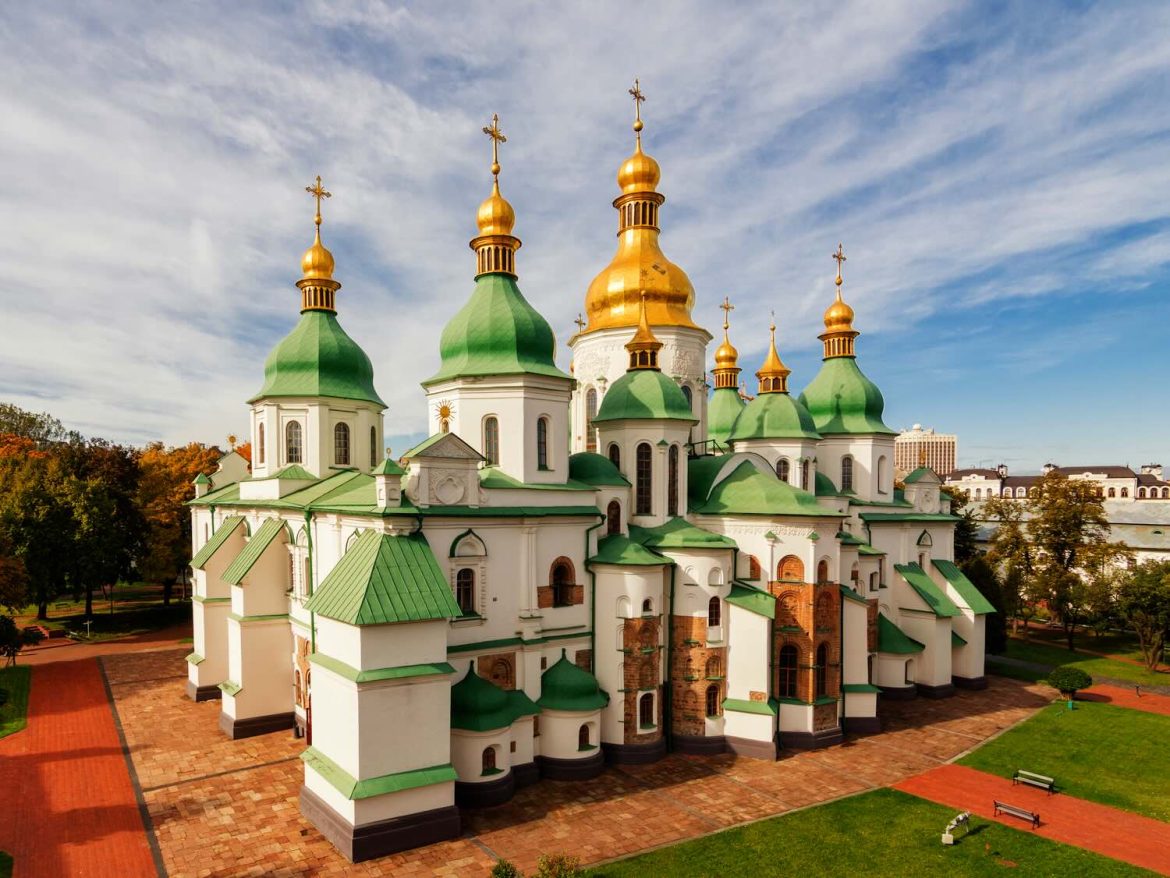
The European Parliament’s Ukraine report sends a message beyond Kyiv: democratic legitimacy cannot be separated from wartime conditions, martial law and the security needed for a free vote.
The European Parliament has used its latest Ukraine report to push back against pressure for Kyiv to hold national elections before wartime conditions allow a genuinely free and secure vote.
The issue is politically sensitive because Ukraine is both fighting a full-scale war and pursuing EU membership. Its democratic institutions are under permanent scrutiny from allies, opponents and Russian propaganda. But MEPs are signalling that elections under missile attack, occupation, martial law and mass displacement cannot be treated as a normal calendar question.
The Parliament’s position comes as Ukraine’s accession path remains tied to reforms, institutional resilience and democratic standards. The European Commission’s own Ukraine enlargement background frames accession as a process built around the rule of law, democratic institutions and alignment with EU standards. The question is how those standards should be applied while Russia continues to occupy Ukrainian territory and attack civilian infrastructure.
Elections under wartime conditions
Ukraine has not held national elections since the start of Russia’s full-scale invasion because martial law remains in force. That is not a minor administrative obstacle. Millions of Ukrainians are displaced inside the country or abroad. Hundreds of thousands are serving in the armed forces. Parts of Ukrainian territory are occupied. Cities remain exposed to missile and drone attacks. Normal campaigning, media access, observation and voting logistics would be deeply constrained.
Those facts do not make democratic accountability irrelevant. They make it harder. A credible election requires more than ballot papers. It requires voter registration, candidate access, security for polling stations, participation by displaced citizens, independent observation and protection from coercion and disinformation.
Russia would have every incentive to exploit a premature or flawed vote. If turnout were uneven, if soldiers and refugees struggled to participate, or if voting could not take place in occupied territories, Moscow could use the result to question Kyiv’s legitimacy rather than strengthen it.
A message to Washington as well as Moscow
The Parliament’s language also carries a message to Washington. Some US political voices have argued that Ukraine should hold elections as a condition of continued democratic legitimacy. The EU response is more cautious: legitimacy matters, but elections must be possible in conditions that meet democratic standards.
That distinction matters for transatlantic policy. Ukraine’s allies cannot demand the appearance of normal politics while the country is defending itself against a war designed to destroy its sovereignty. A forced election timetable could weaken Ukrainian governance, deepen internal divisions and create a result that would be easier to contest.
The European Parliament’s broader plenary work on Ukraine has consistently linked support for Kyiv to sovereignty, accountability and reform. The election issue adds a sharper political point: democratic conditionality should not be detached from battlefield reality.
Enlargement and legitimacy
Ukraine’s EU path depends on democratic credibility. Brussels will continue to scrutinise judicial reform, anti-corruption policy, public administration and minority rights. But the Parliament’s position suggests that the EU does not see wartime elections as a shortcut to legitimacy.
That is an important signal for Kyiv. It gives Ukraine political space to maintain martial-law restrictions while still being expected to continue reforms. It also denies Russia a talking point: that delayed elections automatically invalidate Ukrainian institutions.
There is a balance to strike. Wartime governments can become too centralised. Media restrictions, party competition and parliamentary oversight must remain under scrutiny. The EU should not give Kyiv a blank cheque. But the alternative is not an artificial vote held under conditions that would fail the EU’s own standards.
The real democratic test
Ukraine’s democratic test is not simply whether it can hold elections. It is whether it can preserve pluralism, institutional accountability and reform momentum while fighting for survival.
That test is harder than a formal polling date. It requires functioning courts, parliamentary debate, civil society scrutiny, media space and continued anti-corruption work even under wartime pressure.
For the EU, the Parliament’s stance is therefore a practical one. It keeps democratic standards at the centre of Ukraine’s accession path while rejecting a premature election timetable that could do more harm than good.
The question of Ukrainian elections will return. It should. But it should return when Ukrainians can vote freely, safely and with meaningful participation from those displaced by the war. Until then, pressure for a wartime vote risks helping the narrative of the aggressor rather than the democracy under attack.
__________________________________________________________________________________________________________________
Click here for more News & Current Affairs at EU Today
Click here to check out EU TODAY’S SPORTS PAGE!
___________________________________________________________________________________________________________________

