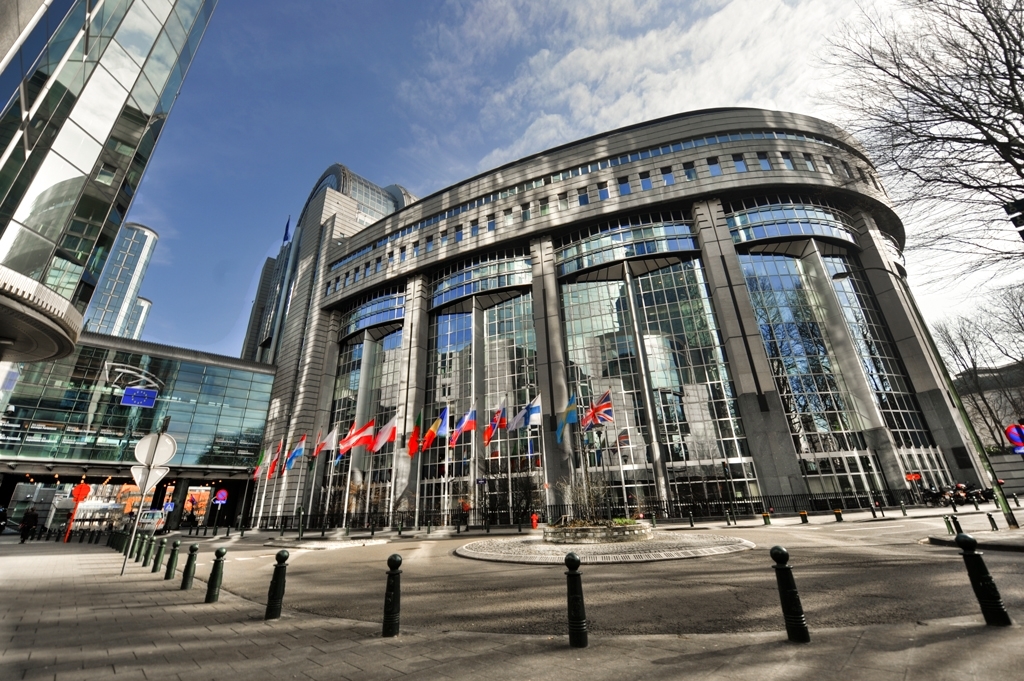
In Brussels, behind closed doors and under the protection of anonymity, EU officials have been sketching out a scenario they fear but can no longer ignore: what if Moldova’s upcoming elections bring pro-Russian forces back to power in Chisinau?
Several informal meetings in recent weeks brought together representatives of the European External Action Service (EEAS), DG Finance, DG NEAR and other senior figures. According to insiders, the discussions were blunt. The office of Kaja Kallas warned that the EU must be ready if Chisinau tilts back toward Moscow. For Brussels, this is now the worst-case scenario.
If it happens, the EU is prepared to respond with a set of measures so sweeping that Moldovans would feel the consequences in their pockets, classrooms, homes—and even in the warmth of their living rooms this winter.
A Silent Threat: €1.9 Billion at Risk
At the top of the list is the suspension of Moldova’s €1.9 billion Economic Growth Plan (2025–2027). Suspension of this package is now openly discussed as a first strike. For Moldova, this would mean not just the loss of money but also the collapse of its gradual integration into the EU single market—a hard blow for a country whose economy depends heavily on European exports.
The plan is the bridge to the EU single market, helping Moldovan businesses export, modernize and attract foreign investment. Its cancellation would mean stalling reforms in agriculture, public administration, energy resilience, education, and social protection.
The knock-on effect? International financial institutions and investors would withdraw. Farmers, businesses and families would be left to face higher food prices, budget cuts and fewer job opportunities.
“This is not symbolic aid. It underpins everything from agriculture to public administration. Without it, Moldova risks sliding into isolation”, one EU official stressed on condition of anonymity.
Energy: Empty Homes, Dark Nights
The most immediate pain point, however, is energy. Brussels has invested heavily in reducing Moldova’s dependency on Russian gas and electricity. Yet insiders fear that a pro-Russian leadership could sabotage projects like the Balti–Suceava 400kV interconnection with Romania.
If that happens, Moldova faces rolling blackouts, soaring bills, and the end of EU-backed subsidies.
Even the €60 million earmarked for Transnistria’s energy needs could be frozen.
This is not about politics, it’s about whether people in Chisinau will have heating next winter. And a pro-Russian leadership in power, empty homes and dark nights it’s a guarantee.
Everyday Fallout: From Phones to Students
Beyond grand strategy, ordinary Moldovans would feel the bite. The much-heralded roaming deal with the EU—set to abolish fees from January 2026—could be suspended. The same applies to the Erasmus+ programme, a lifeline for Moldovan students seeking opportunities abroad.
Farmers, too, could be collateral damage. If Brussels cuts agricultural export quotas, thousands of producers could lose access to their most lucrative market almost overnight.
Security and Justice on the Line
The European Peace Facility, which finances Moldova’s defence and police reforms, is also on the chopping block. The final tranche of €20 million is already under review. Officials warn that halting it would weaken security institutions and leave the streets more vulnerable to crime.
Even the EU-backed vetting commissions—critical to cleaning up Moldova’s judiciary—could be dismantled, a signal that Brussels no longer trusts Chisinau’s authorities to carry through justice reform.
The Stakes: A Geopolitical Domino
The discussions underline one reality: Brussels sees Moldova as a frontline in the wider EU-Russia confrontation. A pro-Russian government in Chisinau would not just derail Moldova’s EU path—it would send a dangerous signal across Eastern Europe.
For now, EU officials continue to speak the language of partnership. But in the corridors of Brussels, the message is clear: Moldova’s voters hold the key, and if they turn back to Moscow, the EU will not hesitate to shut the door.
“It is not Brussels that will decide Moldova’s future—it is Moldovan citizens,” one EU diplomat told on condition of anonymity. “But people must understand the stakes. A vote for Moscow could mean losing billions in EU support, higher bills, fewer opportunities, and a harder life for ordinary families.”, stated the EU diplomat.
As Moldova heads to the polls, the choice is sharper than ever: EU—or a return to the past with empty homes and dark nights.