
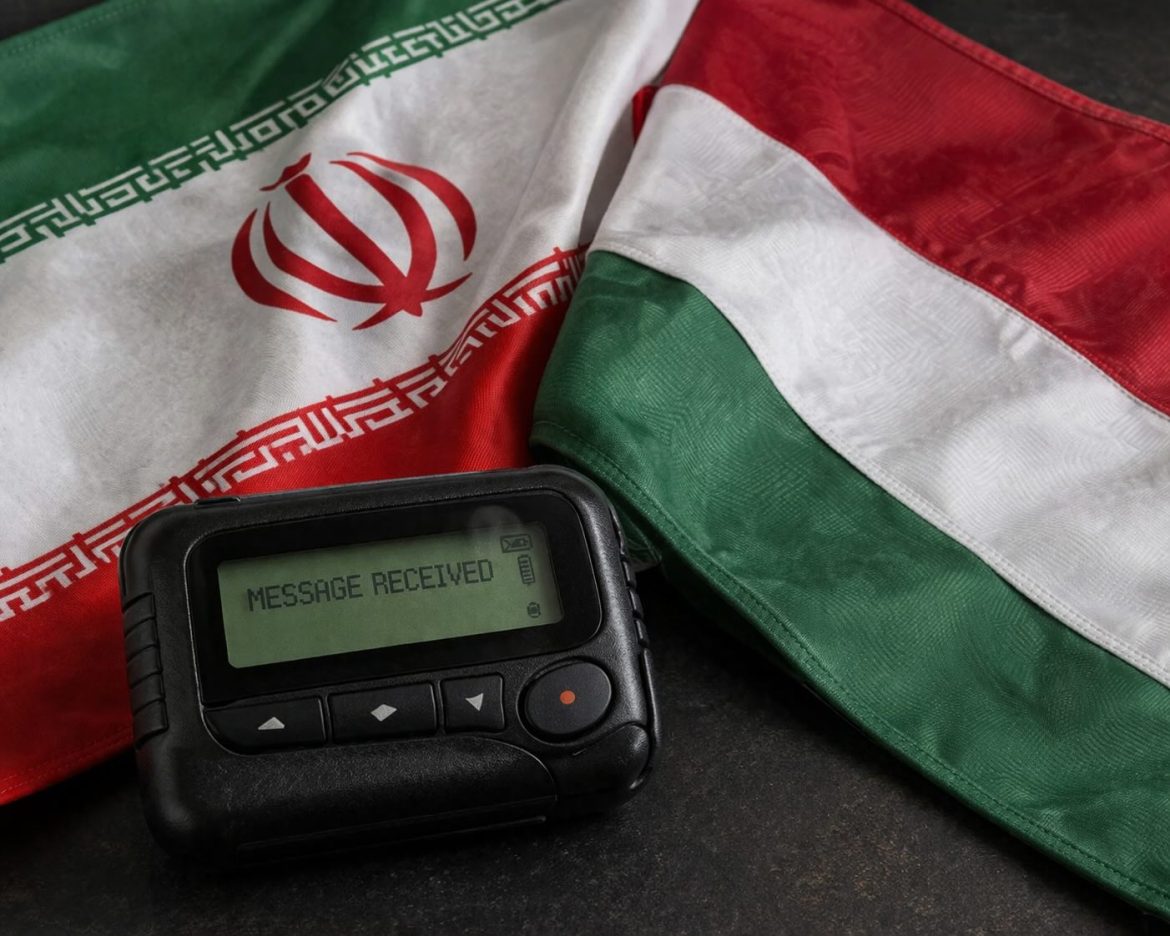
A reported September 2024 call between Hungary’s foreign minister and his Iranian counterpart has revived questions about Viktor Orbán’s foreign policy balancing, after Budapest publicly denied any role in the pager attack that struck Hezbollah in Lebanon.
A new Washington Post report says Viktor Orbán’s government privately offered assistance to Iran after the September 2024 operation in which pagers used by Hezbollah exploded in Lebanon, an attack widely attributed to Israel. According to the newspaper, which said it reviewed and authenticated a transcript of a 30 September 2024 call, Hungarian Foreign Minister Péter Szijjártó told Iranian Foreign Minister Abbas Araghchi that Hungarian services had already been in contact with their Iranian counterparts and would share all information gathered during the investigation.
The reported exchange is politically awkward for Budapest because Hungary was already under scrutiny at the time. After the pager explosions, Reuters reported that Taiwanese firm Gold Apollo said the devices bore its brand under a licensing arrangement involving Budapest-based BAC Consulting. Hungary’s government responded that the company was only a trading intermediary and that the devices had never been in Hungary. A subsequent Reuters report said Hungarian intelligence had interviewed the company’s chief executive as investigators tried to establish the supply chain.
The significance of the new disclosure lies less in whether Hungary was responsible for the devices, which Budapest denies, than in the diplomatic signal sent to Tehran. Orbán has presented himself as one of Israel’s most dependable partners inside the European Union, frequently taking a more pro-Israel line than several other member states. The reported assurance to Iran therefore appears at odds with Hungary’s public positioning.
It also comes against a wider European backdrop in which relations with Iran have been shaped by security concerns extending beyond the Middle East. In May 2024, the Council of the European Union expanded measures linked to Iran’s missile and drone activity, and in October 2024 the EU imposed further sanctions over Iranian transfers to Russia. That gives the alleged Hungarian outreach an additional geopolitical dimension, especially given Orbán’s long record of friction with Brussels over Russia and Ukraine.
For now, the key issue is not proof of operational involvement in the pager affair, but whether Budapest was willing to cultivate goodwill with Tehran behind the scenes while maintaining a sharply different public line.

