
EU institutions are again elevating “competitiveness” to the top tier of the policy agenda, pairing it explicitly with the cost of living and affordability.
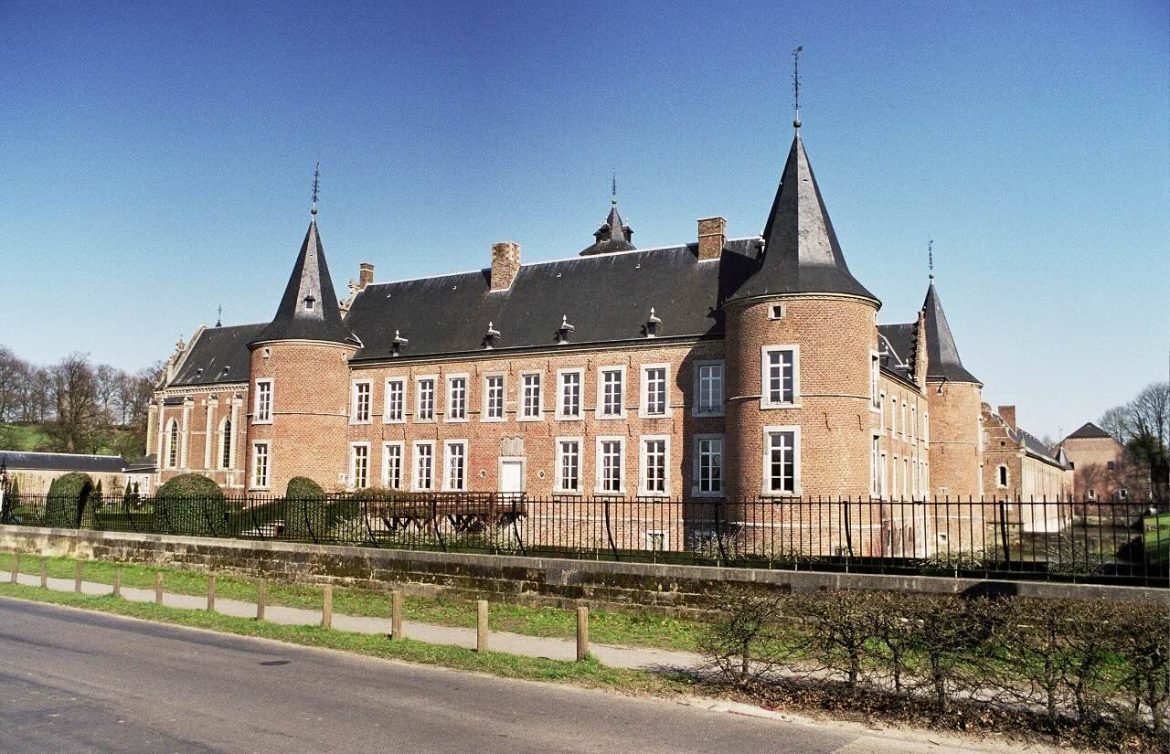
The theme runs through the European Parliament’s plenary sitting in Strasbourg from 9 to 12 February 2026, and into an informal leaders’ retreat on 12 February, convened by European Council President António Costa at Alden Biesen in Belgium.
In Parliament, the centrepiece is a debate with the Council and Commission, framed as “EU competitiveness and cost of living concerns”. The Parliament’s own preview says the discussion will focus on urgent actions to boost competitiveness, deepen the single market and reduce the cost of living, with MEPs expected to set out priorities for turning the recommendations of the 2024 Draghi report into concrete measures, and to assess work already undertaken.
Mario Draghi Report Exposes Europe’s “Stagnation,” Calls for an EU “Foreign Economic Policy”
The Commission President, Ursula von der Leyen, is scheduled to take part, signalling that the debate is intended as more than a general exchange. Parliament’s “week ahead” notice explicitly links the discussion to a push to deepen the single market, with cost-of-living pressures presented as part of the same policy problem as weak productivity and slow growth.
Two days later, the leaders’ retreat is billed as a strategic discussion about how to strengthen the single market, reduce economic dependencies and boost competitiveness “in a new geoeconomic context”. Costa’s invitation letter indicates a structure built around exchanges with Enrico Letta on the single market, and with Mario Draghi on competitiveness, with the intention of feeding informal conclusions into the preparation of the formal European Council in March.
This sequencing suggests an effort to align institutional messaging: Parliament sets political expectations in public, and leaders then debate priorities behind closed doors. The repeated references to Draghi and Letta also underline how much the current agenda is being shaped by recent “blueprint” exercises rather than single legislative proposals.
Substance-wise, the competitiveness package being discussed is not confined to trade or industrial policy. It spans core single-market files, capital mobilisation and regulatory simplification. Ahead of the retreat, Reuters reported that European Central Bank President Christine Lagarde planned to present a “checklist” of reforms to leaders on 12 February, including priorities such as completing a savings and investment union and strengthening the single market, alongside simplification measures and steps to unlock innovation.
The emphasis on affordability sits alongside that reform agenda rather than competing with it. For many Member States, the political challenge is that the cost of living remains tangible for households—through energy bills, housing costs and essential goods—while competitiveness debates can appear abstract. Parliament’s framing attempts to bridge that gap by describing single-market deepening and reduced administrative burdens as routes to lower prices and higher incomes over time, not simply as business-facing measures.
The political economy around “regulatory burden” is likely to be contested. Business groups have been pressing for faster permitting, fewer reporting obligations and more predictable implementation across Member States. At the same time, parts of the EU’s policy establishment argue that removing protections or lowering standards would create new risks, including through weaker enforcement in digital and competition policy. Recent reporting captured that tension, with debate over whether Europe should ease rules to match other jurisdictions, or treat regulation as part of its competitive model.
National capitals are also sharpening their own positions. Reuters reported a joint German–Italian paper warning that the EU risks falling behind unless it acts on bureaucracy, permit delays and single-market fragmentation, explicitly linking Europe’s living standards to competitiveness reforms and urging concrete commitments at the Alden Biesen retreat.
One reason competitiveness is returning so forcefully is the external environment. EU institutions increasingly describe competitiveness as intertwined with resilience: the ability to finance defence, manage energy transition costs, and reduce strategic dependencies. Costa’s agenda language points in that direction, as does the focus on a “geoeconomic context” in the retreat materials.
What comes next is likely to be a series of targeted initiatives rather than a single “competitiveness law”. Parliament’s debate can provide political cover for prioritising single-market enforcement, removing barriers in services and capital, and accelerating simplification efforts. The leaders’ retreat, by design, is not expected to produce formal conclusions, but the invitation letter indicates it is meant to shape the March European Council agenda. If the institutions maintain a tight link between reforms and everyday affordability, the competitiveness push may be framed less as deregulation for its own sake and more as a cost-of-living strategy delivered via productivity, investment and cross-border market integration.

