
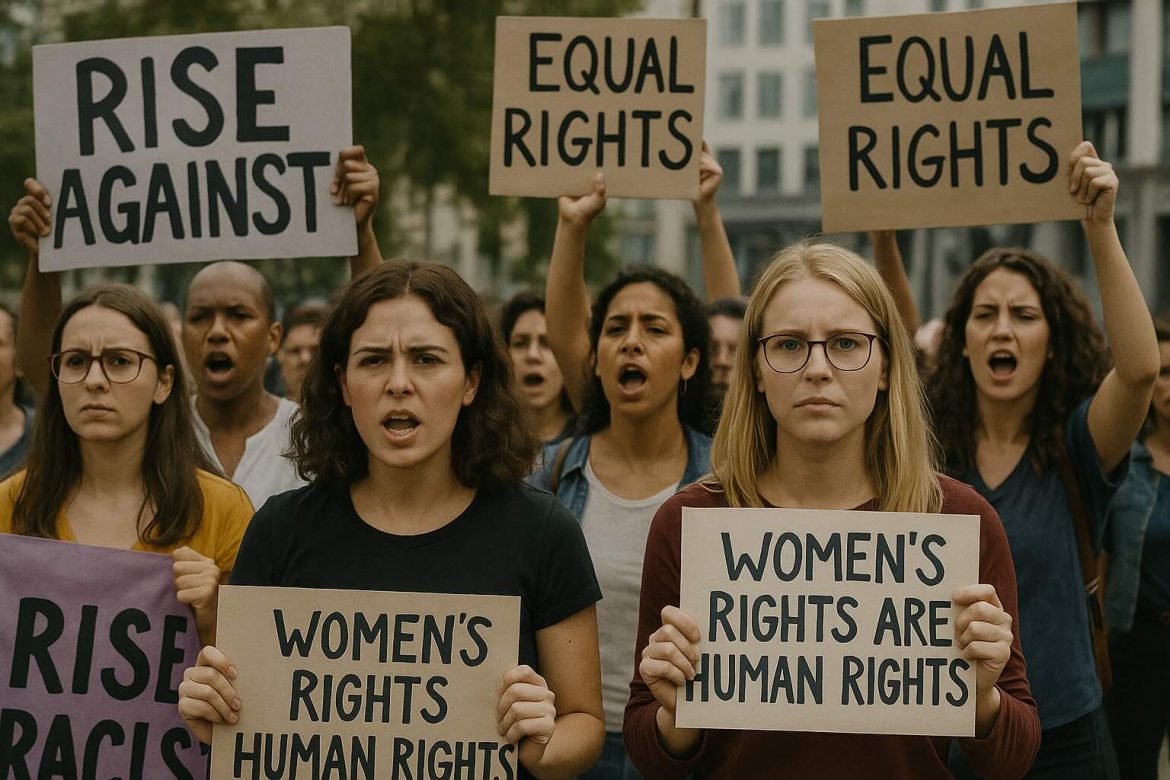
The European Commission has reversed its earlier decision to drop a long-stalled anti-discrimination proposal, known as the Equal Treatment Directive, from its 2025 legislative agenda.
The proposal, first introduced in 2008, aims to extend protections against discrimination on the grounds of religion or belief, disability, age, and sexual orientation to areas beyond the workplace.
Despite renewed interest from the Commission and firm backing from the European Parliament, the proposal remains blocked in the Council of the EU due to persistent opposition from a minority of member states. Czechia, Germany, and Italy continue to resist the draft compromise text, which cannot proceed without unanimous approval from all 27 governments.
The directive seeks to address discrimination in sectors such as education, social protection, housing, and access to goods and services. An impact assessment by the European Parliamentary Research Service (EPRS) has estimated that the directive could benefit up to 75% of EU citizens, with projected implementation costs deemed “within acceptable limits”. The report also identified potential economic gains of up to €55 million annually, stemming from improved health outcomes, educational attainment, and greater social cohesion.
In February 2025, the Commission removed the directive from its annual work programme, stating that “further progress was unlikely” after years of stalled negotiations. A Council document circulated at the time cited concerns from several delegations regarding legal certainty, subsidiarity, and potential financial consequences. The Polish Presidency of the Council attempted to revive talks ahead of the withdrawal deadline, but was unable to reach consensus. A leaked internal note from 6 June acknowledged that “in the absence of any additional drafting suggestions from the Member States with outstanding concerns, the Presidency has not been able to propose a new compromise text.”
The decision to abandon the file drew criticism from several MEPs and civil society organisations. Alice Bah Kuhnke (Greens/EFA, Sweden), rapporteur for the directive in the European Parliament, described the withdrawal as “a scandal”. NGOs working in the anti-discrimination field also issued a joint open letter condemning the Commission’s retreat, warning it undermined the EU’s Union of Equality strategy at a time of global retrenchment on rights.
Julie Pascoët, policy manager at the European Network Against Racism (ENAR), said the Commission’s pivot towards non-legislative measures, such as roadmaps and action plans, lacked the enforceability required to protect vulnerable groups. “Roadmaps are not laws; they are political statements with no enforceable protections,” she stated.
The directive’s core objective is to bring EU anti-discrimination law in line with existing employment protections under Directive 2000/78/EC by expanding its scope to include healthcare, education, housing, and public services. While the Parliament has consistently backed the proposal, its passage through the Council has been hampered by what one EU diplomat described as a “thorny” and politically sensitive negotiation.
According to the most recent EU survey on discrimination, 65% of respondents believed that Roma communities face widespread discrimination in their country. Other groups identified included individuals with differing skin colour (61%), ethnic origin (60%), gender identity (57% for transgender persons), and sexual orientation (54%).
Alejandro Moledo, deputy director of the European Disability Forum, criticised the prolonged deadlock and singled out Germany for its role in blocking the file. “It is extremely disappointing that the Commission goes along with the global political trend against equality policies. The unacceptable fact is that a small group of countries, led by Germany, have been blocking the adoption of this directive for 17 years,” he said.
Europe’s Gender Rights Divide Remains EU’s Moral and Political Fault Line
The Danish Presidency, which took over from Poland on 1 July, has signalled that it will place the directive on the agenda of the December meeting of social affairs ministers. Officials in Copenhagen have indicated their intention to seek the required unanimity, though several EU sources have stated privately that expectations for progress remain low.
The Commission’s decision to reinstate the proposal reflects sustained pressure from the Parliament and parts of the Council. A spokesperson confirmed that the executive took into account the strong support expressed by “a large majority of member states” and would re-engage with the legislative process.
Nonetheless, with the directive still facing a qualified deadlock, and the Commission simultaneously advancing non-legislative equality strategies in other areas, it remains to be seen whether the Equal Treatment Directive will ever move beyond the drafting table. Until full consensus is reached in the Council, the proposal cannot proceed to inter-institutional negotiations with the Parliament and Commission.
EESC demands equal pay & and social security benefits for young people

