
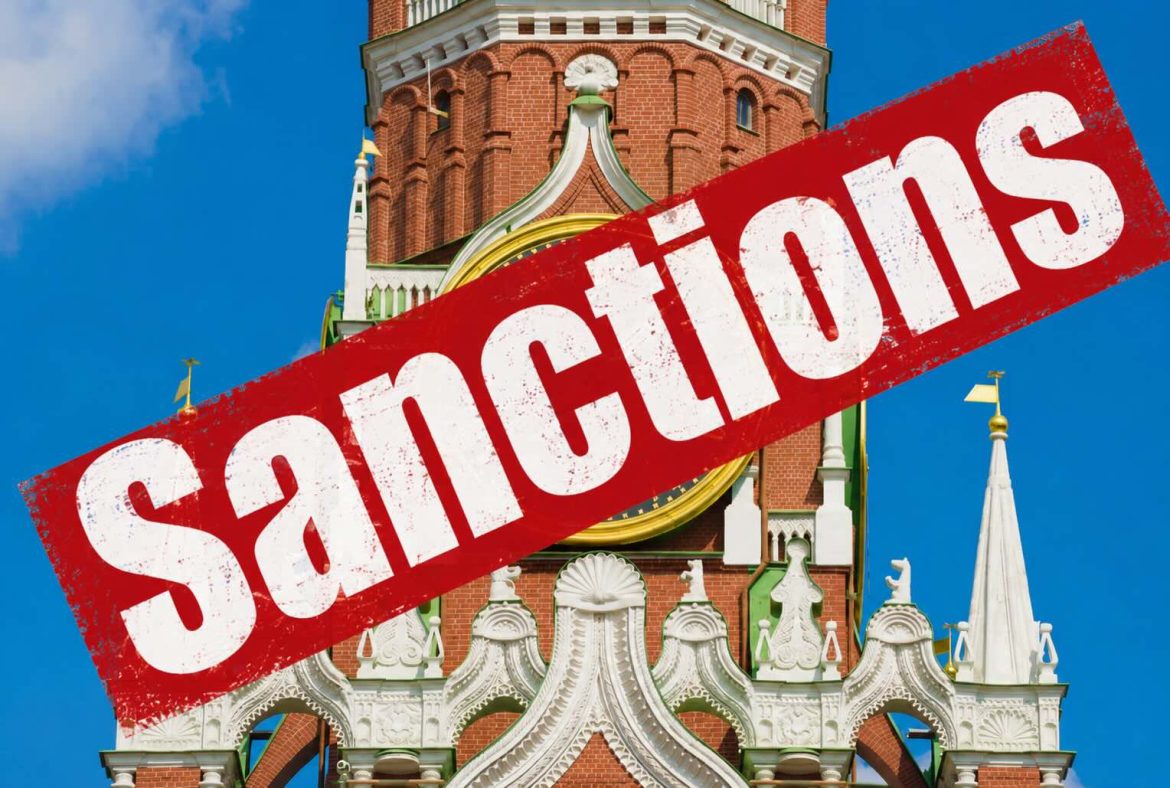
EU foreign ministers entered talks without agreement on a new Russia sanctions package, exposing divisions over maritime services and Russian LNG measures.
BRUSSELS – The European Union entered Monday’s Foreign Affairs Council without agreement on a new Russia sanctions package, leaving proposed measures on maritime services and Russian liquefied natural gas unresolved at the point where enforcement is becoming more politically costly for member states.
EU foreign policy chief Kaja Kallas said on 13 July that work was continuing on the 21st package, but that the bloc had not yet reached the unanimity needed to adopt it. The Council agenda for the same day placed Russia’s war against Ukraine at the top of ministers’ discussions after an exchange with Ukrainian foreign minister Andrii Sybiha.
.
The substance of the deadlock matters more than the number attached to the package. Earlier sanctions rounds focused heavily on asset freezes, export controls, banking measures and the shadow fleet. The current dispute goes closer to the economic channels that still connect Russian energy and shipping to European commercial infrastructure.
Maritime services are one of those channels. Restrictions can affect insurance, certification, ship management, financing and port support. These technical sectors determine whether Russian-linked vessels can operate at scale, particularly through opaque ownership structures.
Russian LNG is the second point of friction. Several governments want stronger action against Russian gas flows and the services that sustain them. Others remain cautious because long-term contracts, port operations, energy security and national import patterns differ sharply across the bloc.
The failure to settle the package before ministers met shows the familiar weakness of EU sanctions policy: ambition is highest when the target is strategic, but agreement becomes harder when the cost is distributed unevenly. Countries with limited exposure to Russian LNG or maritime services can push for sharper measures. Countries with exposure to terminals, contracts or industry concerns have more reason to slow the text.
For Ukraine, the delay is frustrating because Russia’s war economy continues to draw value from energy exports and logistics adaptation. Kyiv has repeatedly argued that sanctions must move faster than Russian evasion networks. The deadlock therefore becomes a test of whether the EU can tighten enforcement against sophisticated revenue channels, not only impose symbolic new listings.
Agreement may still be reached after further ambassador-level negotiations. EU sanctions packages often stall before being adopted in amended form. But the current delay reveals where the pressure points now sit: not in general condemnation of Moscow, but in the practical willingness to restrict services and fuel flows that still generate revenue or logistical resilience.
The next question is whether capitals trim the package to secure unanimity or accept sharper provisions that create national economic pain. If maritime and LNG measures are diluted, Moscow will read the result as evidence that European enforcement has limits. If they survive, the 21st package could close part of the infrastructure that keeps Russian exports moving.
__________________________________________________________________________________________________________________
Click here for more News & Current Affairs at EU Today
Click here to check out EU TODAY’S SPORTS PAGE!
___________________________________________________________________________________________________________________

