
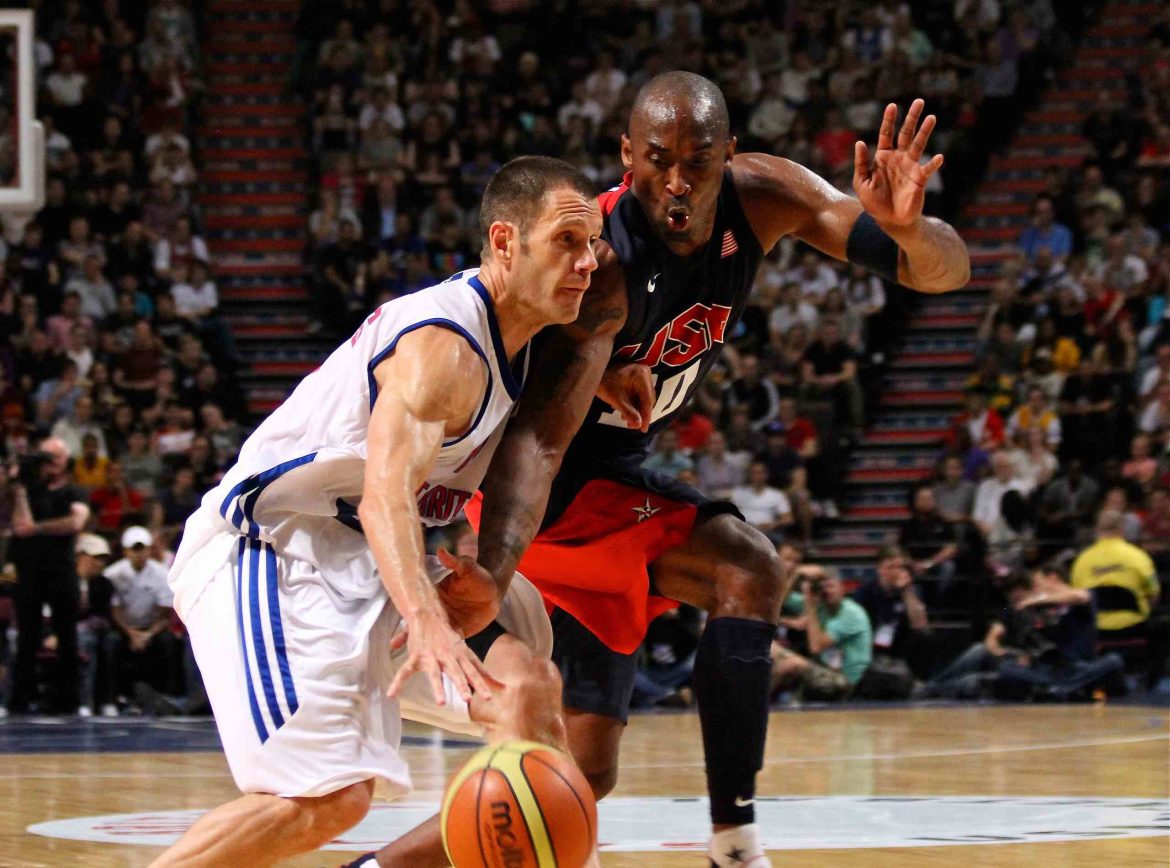
In a move that has sent shockwaves through the sport, the British Basketball Federation (BBF) has blocked four of the nation’s leading clubs—Manchester Giants, London Lions, Newcastle Eagles, and Bristol Flyers—from competing in European tournaments, triggering a bitter dispute over the future of the domestic game.
The unprecedented decision follows the BBF’s controversial granting of a 15-year license to a new league consortium, effectively stripping the current top-flight teams of their European ambitions and sparking accusations of institutional sabotage and authoritarian overreach.
At the heart of the crisis lies a fundamental clash over governance. The BBF, the sport’s governing body in the UK, has long harboured ambitions to centralise control of elite domestic basketball under a new, “professionally aligned” model. That vision now appears to be materialising through the long-term licensing deal handed to a yet-to-be-named consortium—believed to be backed by private equity and seeking to reshape the British game along the lines of European football’s franchise-style competitions.
The four blocked clubs, each with established reputations and significant fan bases, have been left blindsided. Their exclusion from European competition—particularly the Basketball Champions League and FIBA Europe Cup—means a loss not only of prestige and exposure but also of vital revenue and talent retention.
“It’s a betrayal,” said a senior official from one of the affected clubs, speaking on condition of anonymity. “We’ve invested heavily in grassroots, infrastructure, and international competition. To be cut adrift now, without consultation or due process, is an act of bureaucratic vandalism.”
A Growing Sport Undermined
British basketball has made halting but notable progress in recent years. The London Lions’ participation in the EuroCup, coupled with growing attendance figures in Newcastle and Manchester, suggested a sport finally on the cusp of mainstream recognition.
But that momentum now appears imperilled.
“The decision to block these clubs from Europe is catastrophic,” said former GB international Kieron Achara. “If we’re serious about building a world-class basketball culture in the UK, we cannot allow power struggles to sabotage the very clubs that have been doing the heavy lifting.”
Indeed, the implications stretch beyond the court. With the BBF now favouring an untested new entity—believed to be comprised of commercial figures with limited basketball experience—the worry among insiders is that long-term development and sporting integrity are being sacrificed for short-term profit and centralisation.
The Legal and Moral Quagmire
Legal action now looms. Club executives have confirmed they are exploring options for judicial review, while Basketball England has remained conspicuously silent—a silence some interpret as tacit approval, others as bewildered paralysis.
In Brussels, FIBA Europe is reportedly monitoring the situation closely, as the ban potentially violates continental statutes regarding open competition and sporting merit. One source suggested UEFA-style protections for clubs may eventually be considered for basketball, where the influence of national federations remains relatively unchecked.
Public reaction, meanwhile, has been fierce. Fans of all four clubs have launched online petitions demanding the BBF reverse the ban, with #SaveBritishBasketball trending across UK social media on Thursday.
“It’s like punishing the Premier League’s top four by barring them from the Champions League because the FA struck a deal with a new league no one’s heard of,” said one angry supporter outside the Copper Box Arena.
What Comes Next
Where British basketball goes from here is unclear. The BBF has insisted the new licensing agreement will “modernise the domestic structure” and “align British basketball with global best practices.” Yet no detailed vision or operational framework has been made public. The absence of transparency has only deepened mistrust.
The clubs, meanwhile, are threatening to break away entirely—raising the spectre of a fractured sport with rival leagues, divided loyalties, and weakened international standing.
Former England coach Paul James warned of long-term damage: “You don’t build a sport by tearing it down from within. There’s a real risk that young talent, coaches, even sponsors, walk away from this mess disillusioned.”
The irony is stark. At a time when British sport should be capitalising on the success of basketball at youth and grassroots levels—particularly among urban communities and diverse demographics—it is instead embroiled in internecine warfare.
In sport, as in politics, power grabs rarely end cleanly. The BBF may have won the first battle with its high-handed diktat, but the war for the future of British basketball is only just beginning. And if the governing body hoped its bold gamble would unify the game, the early signs suggest quite the opposite: a splintered sport, infighting at the top, and a European dream left smouldering on the tarmac.
For the players, the fans, and the clubs that gave British basketball its backbone, the betrayal is bitter—and the road back uncertain.
Main Image: By Christopher Johnson – Flickr: BASKETBALL: On the sidelines with TEAM USA in Manchester, CC BY-SA 2.0, https://commons.wikimedia.org/w/index.php?curid=20391748

