
Germany’s national football team has moved to shield supporters from unexpectedly high transport costs at the 2026 World Cup, offering to fund coach travel for hundreds of fans attending the side’s decisive final group-stage fixture.
The gesture comes amid mounting criticism over the expense and logistical complexity facing spectators at the expanded tournament, which is being staged across the United States, Canada and Mexico. For many travelling supporters, concerns about ticket prices have increasingly been eclipsed by the practical challenge of simply getting to matches.
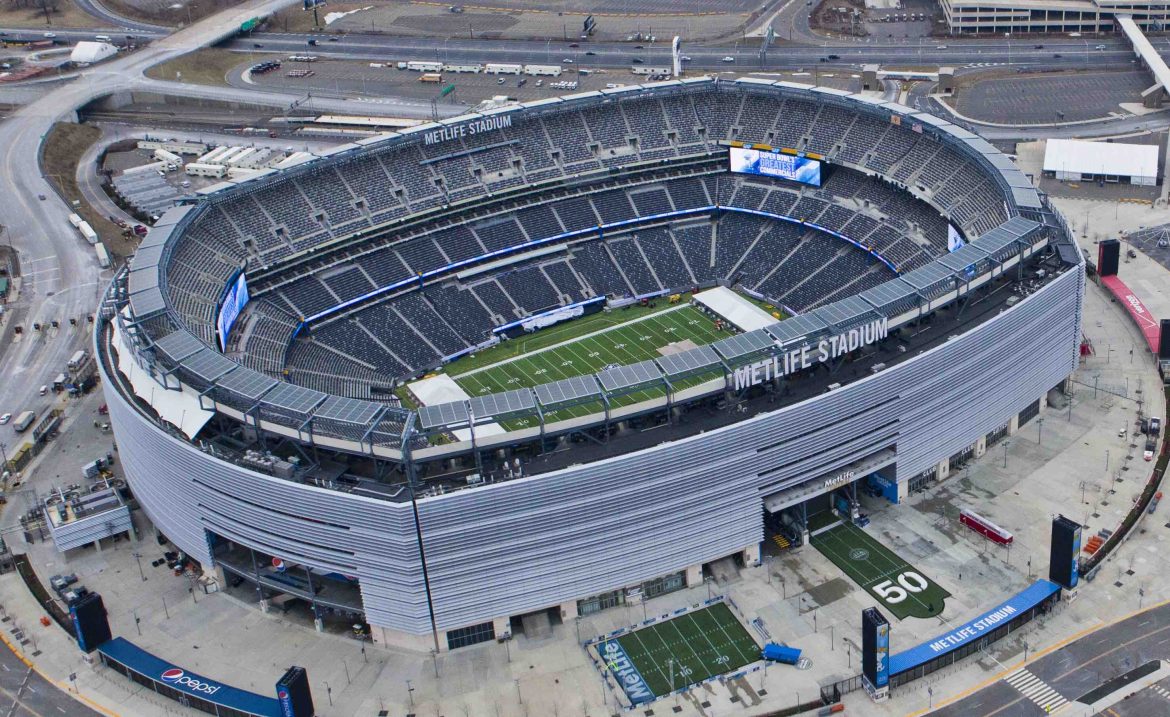
The German Football Association (DFB) announced that the squad would pay for 600 supporters to travel by bus from New York to MetLife Stadium in neighbouring New Jersey, where Germany are due to face Ecuador in their concluding Group E encounter on 25 June.
According to the DFB, the initiative was organised by the players themselves, led by captain Joshua Kimmich. The squad agreed to absorb the cost of the transport after reports emerged of sharply elevated prices affecting fans attempting to reach the stadium.
“In light of the high cost of bus and train travel in New York during the World Cup, the German national team players have organised free transport to the final group match for 600 fans,” the association said in a statement.
“Captain Joshua Kimmich and his team-mates are covering the cost of buses to take supporters from New York to the arena in New Jersey for the match against Ecuador.”
The announcement has been warmly received by supporters and has cast fresh attention on broader questions surrounding tournament planning and accessibility. Transport arrangements have become a particularly contentious issue during the competition, especially around venues serving major metropolitan areas.
Ordinarily, rail journeys from central Manhattan to MetLife Stadium cost less than $13. During the World Cup, however, prices initially surged to approximately $150 before later being reduced to $98 following public criticism. Shuttle bus fares for the same route were also revised downward, falling from an initial price of $80 to around $20.
The issue has exposed tensions between local authorities and football’s governing bodies over who should bear the financial burden of facilitating fan movement during major sporting events.
Officials in New Jersey have suggested that transport subsidies were not forthcoming from Fifa, despite precedents established at previous tournaments. During both the 2018 World Cup in Russia and the 2022 edition in Qatar, supporters benefited from complimentary travel schemes that allowed match ticket holders to access public transport networks free of charge.
The United States had originally indicated, as part of its hosting commitments made during the 2018 bidding process, that a similar arrangement would be available for spectators attending matches on American soil. However, revisions to those commitments in 2023 resulted in supporters being required to pay transport costs directly.
The resulting controversy highlights the evolving economics of mega-events. While organisers increasingly seek to limit public expenditure associated with hosting international competitions, fans have found themselves absorbing a growing share of ancillary costs beyond match tickets and accommodation.
Against that backdrop, Germany’s intervention carries symbolic weight beyond the immediate benefit to several hundred supporters. It reflects an awareness among players of the sacrifices often made by travelling fans and a recognition that maintaining a close relationship between team and supporters remains central to the culture of international football.
For those fortunate enough to secure a place on one of the subsidised coaches, the journey to MetLife Stadium will now come without an unwelcome financial sting. More broadly, the episode may yet prompt renewed scrutiny of how future World Cups balance commercial realities with the fan experience at the heart of the game.
Main Image: By Anthony Quintano from Hillsborough, NJ, United States – MetLife Stadium Prepares For Super Bowl 48 (XLVIII), CC BY 2.0, https://commons.wikimedia.org/w/index.php?curid=54299960
Click here for more News & Current Affairs at EU Today
Click here to check out EU TODAY’S SPORTS PAGE!
___________________________________________________________________________________________________________________

