
Russia’s halt to Kazakh oil transit through the Druzhba pipeline has exposed Europe’s remaining dependence on Russian-controlled energy infrastructure, even as Germany and the EU seek to eliminate Russian hydrocarbons from their supply chains.
Russia’s decision to halt the transit of Kazakh crude to Germany through the Druzhba pipeline from May 1st has reopened a question Europe has tried to close since 2022: how far can Moscow still use Soviet-era energy infrastructure as a political instrument?
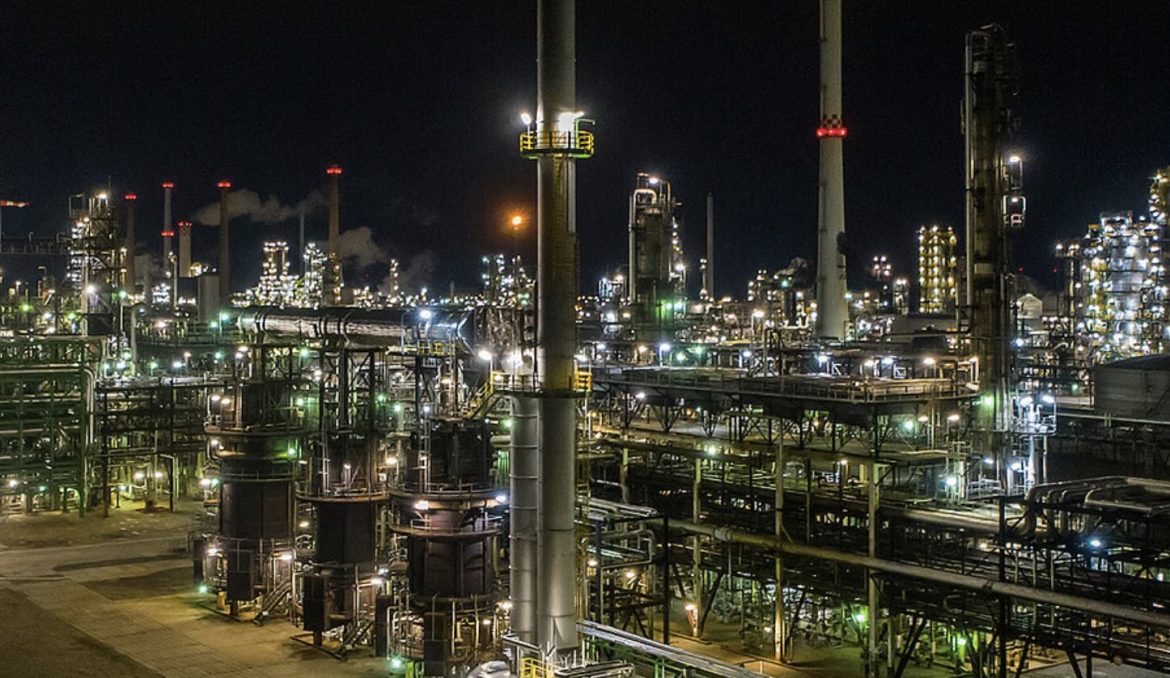
The immediate issue concerns non-Russian oil. Kazakhstan has been supplying crude to Germany through the Russian pipeline system as Berlin sought to replace Russian Urals crude after the full-scale invasion of Ukraine. According to Reuters, the halt affects deliveries to the PCK refinery at Schwedt, a key fuel supplier for Berlin and north-eastern Germany.
The Schwedt refinery has depended in part on Kazakh crude since Germany ended its direct reliance on Russian oil. In 2025, Kazakhstan supplied 2.146 million tonnes of oil to Germany via Druzhba, while a further 730,000 tonnes were shipped in the first quarter of 2026. Reuters reported that Kazakh crude accounted for about 17 per cent of Schwedt’s supply.

The Northern Branch of the Druzhba Oil Pipeline, linking Russia, Belarus, Poland and Germany
This dependence is not primarily about the origin of the crude, but about the route. Kazakh oil reaches Germany through infrastructure still controlled by Russia. KazTransOil began transporting Kazakh crude towards Germany in 2023, with volumes moving through Russia’s Transneft system to the Adamova Zastava delivery point for onward supply to German refineries. The first deliveries followed arrangements made after Germany sought alternatives to Russian oil, as reported at the time by The Astana Times.
Russia has framed the suspension in technical terms. Kazakhstan’s energy minister, Yerlan Akkenzhenov, confirmed that there would be no transit of Kazakh oil to Germany through Russia in May, citing technical constraints on the Russian side. Euronews reported that Astana assumed the situation was connected to recent strikes on Russian infrastructure.
Moscow’s explanation, however, does not remove the political significance of the decision. The crude in question is Kazakh, not Russian. The fact that Russia can interrupt its movement demonstrates the remaining leverage created by transit dependence. It also underlines Kazakhstan’s limited room for manoeuvre when its export options remain heavily linked to Russian territory.
For Germany, the immediate risk appears manageable but not insignificant. Berlin has said supply security is not at risk, while alternative routes through the Polish port of Gdansk and the German port of Rostock are being examined. Poland’s pipeline operator PERN has indicated that Gdansk could be used to reroute supplies if needed, according to Reuters reporting on the disruption. Such alternatives are technically available, but they are more complex and may increase costs.
The issue is particularly sensitive because of Schwedt’s ownership and history. Rosneft Deutschland retains a majority legal stake in the refinery, although Germany placed the company under trusteeship after Russia’s invasion of Ukraine. That arrangement was intended to secure refinery operations while removing operational control from Moscow. The current disruption shows that ownership control and supply-route control are separate problems.
The wider European context is the continuing phase-out of Russian energy. The European Commission’s REPowerEU framework aims to end remaining dependence on Russian energy imports, with measures covering gas, LNG, oil, the shadow fleet and nuclear-related supplies. The EU’s more recent gas regulation sets a timetable for the phase-out of Russian LNG by the end of 2026 and pipeline gas by no later than November 30th 2027, according to the Commission’s latest REPowerEU update.
Oil remains more difficult because infrastructure and refinery configurations were built over decades around eastern pipeline supply. Some Central European states have continued to depend on Druzhba deliveries, and disruptions to the southern branch have already caused political disputes involving Hungary, Slovakia and Ukraine. The northern branch, by contrast, matters for Germany’s refinery system and the fuel market around Berlin and Brandenburg.
The suspension of Kazakh crude transit therefore carries two lessons. First, replacing Russian oil with non-Russian oil is not enough if the supply chain remains dependent on Russian-controlled infrastructure. Second, Kazakhstan’s export vulnerability is now directly linked to Europe’s energy security. The same network that allows Kazakh crude to reach European customers also gives Moscow a point of pressure over both supplier and buyer.
For Kazakhstan, the episode strengthens the case for expanding non-Russian export routes, including the Caspian corridor through Azerbaijan and onward connections towards the Black Sea, Turkey or the Mediterranean. For Germany, it reinforces the need to complete refinery adaptation, expand port-based supply options and reduce dependence on any single pipeline route.
Moscow’s move may create short-term pressure on German fuel logistics, but it is also likely to accelerate the process it seeks to exploit. The more Russia uses transit infrastructure as leverage, the stronger the argument becomes inside the EU for ending not only purchases of Russian hydrocarbons, but also residual dependence on Russian-controlled routes for non-Russian energy.

