
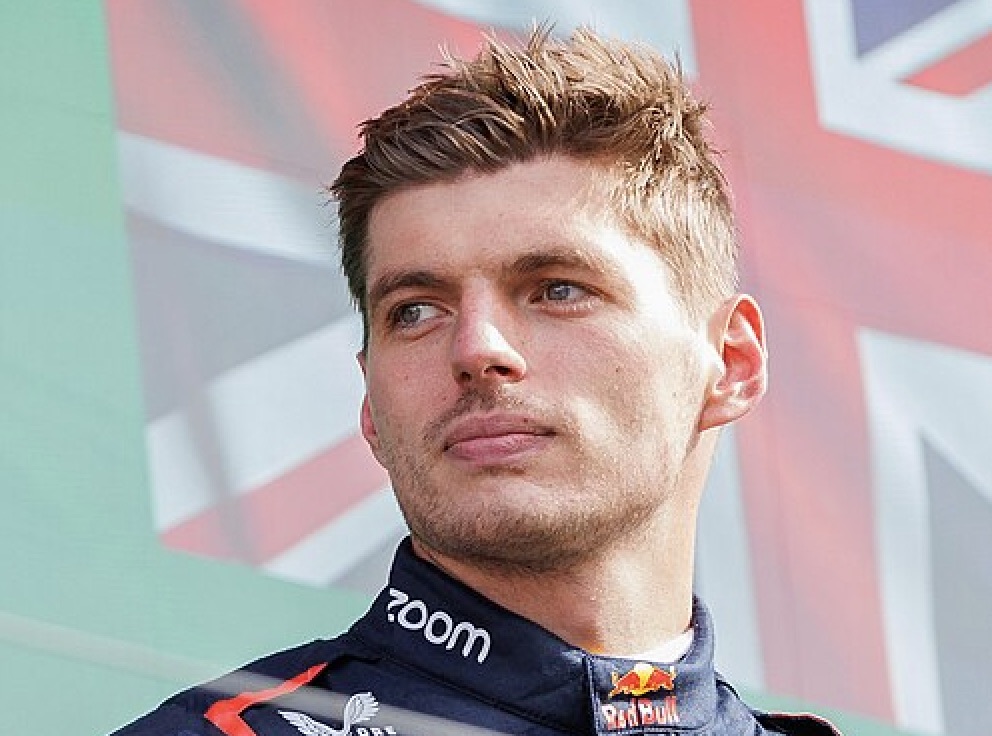
The opening phase of the 2026 Formula One season has been defined less by outright racing and more by unease, with one of its biggest stars openly questioning his future and the sport itself facing mounting scrutiny over its new direction.
At the centre of the storm is Max Verstappen, a four-time world champion whose growing frustration has become a storyline almost as compelling as the racing. Speaking in the aftermath of a difficult start to the campaign, the Red Bull driver admitted he is no longer enjoying life behind the wheel and is actively reconsidering his future in Formula One.
Verstappen’s remarks are not those of a driver struggling for form alone. Instead, they reflect a deeper dissatisfaction with the sport’s sweeping 2026 regulation changes, which have fundamentally altered how cars are driven. The increased emphasis on energy management—rather than flat-out racing—has left him cold, describing a style of driving that feels overly artificial and detached from the instincts that once defined elite racing.
This is not an isolated complaint. Across the paddock, there is a growing sense that Formula One’s bold technological shift has come at a cost. The new hybrid systems, designed to balance sustainability with performance, have introduced complex energy deployment strategies that many drivers feel detract from the spectacle. Incidents such as the high-speed crash involving Oliver Bearman have only intensified concerns, highlighting potential safety implications linked to inconsistent power delivery and closing speeds.
While governing body officials have defended the regulations, insisting that refinement—not revolution—is required, the early weeks of the season suggest a sport in transition, and not entirely comfortably so. The FIA has already signalled a willingness to review aspects of the system, particularly around energy management, as teams and drivers push for adjustments before the championship gathers full momentum.
For Verstappen, however, the issue appears more existential. At 28, and with a contract running until 2028, he is under no immediate pressure to walk away. Yet his comments reveal a driver weighing the balance between professional obligation and personal fulfilment. He has spoken candidly about the relentless nature of the calendar—often stretching to more than 20 races—and the toll it takes when the enjoyment fades.
It is a striking shift for a driver who, not long ago, dominated the sport with an almost effortless authority. His success helped define a generation, but the current landscape—where technical complexity often dictates racing outcomes—has left him questioning whether the sport still aligns with his values.
Elsewhere, the competitive picture remains intriguing. George Russell has made a strong start to the new era, underlining Mercedes’ ability to adapt quickly to regulatory change. Meanwhile, the emergence of younger talents and the continued strength of established teams suggest that, beneath the controversy, the championship battle itself could be finely poised.
Yet even that narrative risks being overshadowed by the broader debate. Formula One has always evolved—technically, commercially, and culturally—but rarely has a shift prompted such open dissent from its leading figures. The balance between innovation and authenticity is delicate, and in 2026, it appears to have tilted too far for some.
There is also a wider question about what fans want from the sport. The pursuit of sustainability and technological advancement is both necessary and inevitable, but not if it comes at the expense of the visceral appeal that has long defined Formula One. Wheel-to-wheel combat, driver instinct, and raw speed remain its core attractions. When those elements are diluted, even the most advanced machinery can feel lacking.
The coming weeks could prove pivotal. With a pause in the calendar offering time for reflection, discussions between teams, drivers, and regulators are expected to shape the immediate future of the regulations. Whether those talks lead to meaningful change—or merely incremental tweaks—will go a long way in determining the trajectory of the season.
For now, the spotlight remains firmly on Verstappen. His talent is unquestioned, his achievements already secured, but his uncertainty speaks to a broader unease within the sport. If Formula One cannot convince one of its brightest stars that its future is worth embracing, it may need to ask itself some difficult questions.
Because in a sport built on speed, precision, and passion, the most dangerous signal of all is not a crash or a controversy—but a champion who no longer wants to race.
Click here for more News & Current Affairs at EU Today
Click here to check out EU TODAY’S SPORTS PAGE!
___________________________________________________________________________________________________________________

