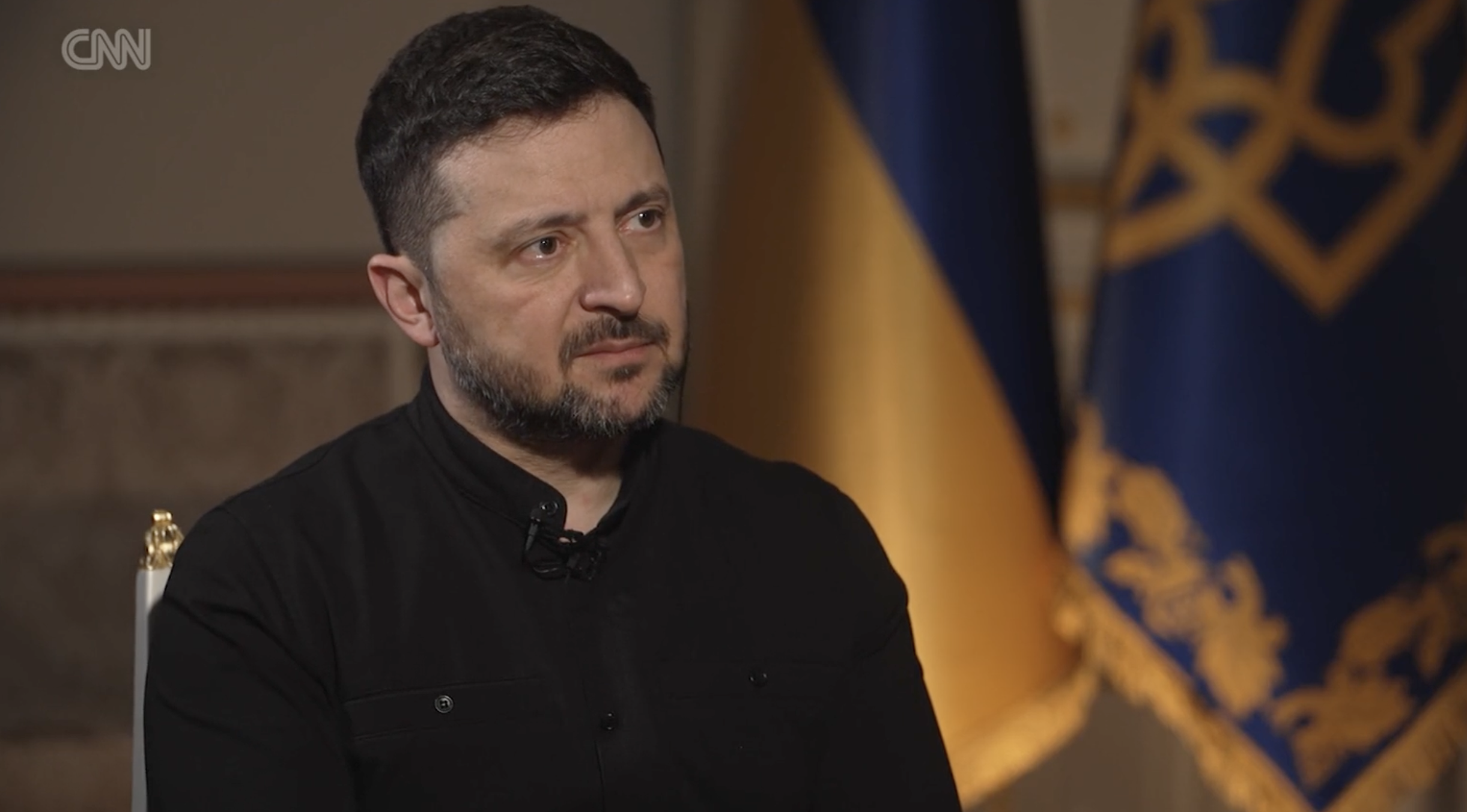
Volodymyr Zelenskyy has publicly criticised Washington after the United States extended a sanctions waiver allowing the sale of Russian oil already loaded on tankers, arguing that the move weakens pressure on Moscow and helps sustain the Kremlin’s war effort against Ukraine.
Ukrainian President Volodymyr Zelenskyy has issued one of his sharpest public criticisms yet of a recent US sanctions decision, accusing Washington of weakening pressure on Moscow by extending a waiver covering Russian oil already loaded on to tankers at sea. His intervention came after the US Treasury renewed the measure until 16 May, reversing an earlier statement by Treasury Secretary Scott Bessent that the waiver would not be extended.
The continued easing of sanctions against Russia does not reflect the real situation in the war or in diplomacy and fuels the Russian leadership’s illusion that they can continue the war. This week alone, the Russians have launched over 2,360 attack drones, more than 1,320 guided… pic.twitter.com/XmVz4e07Aq
— Volodymyr Zelenskyy / Володимир Зеленський (@ZelenskyyUa) April 19, 2026
The Treasury decision allows countries to purchase Russian oil and petroleum products loaded on vessels as of 18 April through 16 May without triggering US sanctions. The administration presented the move as part of a broader effort to contain global energy prices during the current war involving Iran and to ease supply pressures affecting major Asian buyers. Treasury said it wanted to ensure oil remained available while negotiations with Iran continued.
That explanation has not been accepted in Kyiv. In a public statement, Zelenskyy said the “continued easing of sanctions against Russia does not correspond to the real situation in the war and diplomacy” and warned that it created an illusion in Moscow that the war could continue without greater economic consequence. He linked the decision directly to Russia’s ability to finance military operations, arguing that oil revenue remains one of the Kremlin’s principal sources of funding for missile, drone and bomb attacks on Ukrainian cities.
Zelenskyy also attached specific figures to the argument. He said that, over the previous week, Russia had launched more than 2,360 attack drones, more than 1,320 guided aerial bombs and nearly 60 missiles of various types against Ukrainian towns and communities. In the same statement, he said more than 110 tankers from Russia’s shadow fleet were currently at sea carrying more than 12 million tonnes of oil, cargo he valued at roughly $10 billion. In his presentation, every dollar earned from those shipments was described as money feeding the war.
The row is significant not only because of the substance of the dispute, but because of its tone. For much of the past year, Kyiv has tried to avoid a direct public confrontation with Donald Trump’s administration over sanctions policy, military support and diplomacy. Zelenskyy’s latest remarks suggest a harder line is emerging, at least on issues where Ukraine sees a direct connection between Western policy choices and Russia’s war-fighting capacity. That does not amount to a formal rupture with Washington, but it does point to a widening gap between the two governments’ immediate priorities.
The American reversal was itself politically awkward. On 15 April, Bessent said the United States would not renew the general licences covering Iranian and Russian oil. Three days later, however, the administration renewed the Russian waiver for another month. Reuters reported that the change followed lobbying from countries facing energy shocks and reflected concern inside Washington about the economic and political cost of sustained high oil prices.
That leaves the White House balancing two competing objectives: maintaining pressure on Russia over its invasion of Ukraine while preventing a further disruption to world energy markets. Critics of the waiver argue that even a temporary relaxation undermines the sanctions regime by signalling that oil supply considerations will take precedence when markets tighten. Reuters noted that US lawmakers from both parties had criticised the waivers on the grounds that they could help sustain the Russian economy during the war. The European Commission has also maintained that this is not the moment to soften restrictions on Moscow.
For Kyiv, the issue is broader than a single licence. Ukrainian officials have spent months urging partners to close loopholes in the sanctions system, tighten enforcement against Russia’s shadow fleet and reduce the oil income that helps fund military production. Zelenskyy’s remarks fit that wider campaign. They also reflect a growing Ukrainian emphasis on striking Russia’s energy and export infrastructure, both to reduce revenue and to show that economic pressure must be backed by practical constraints on Russia’s ability to sell oil abroad.