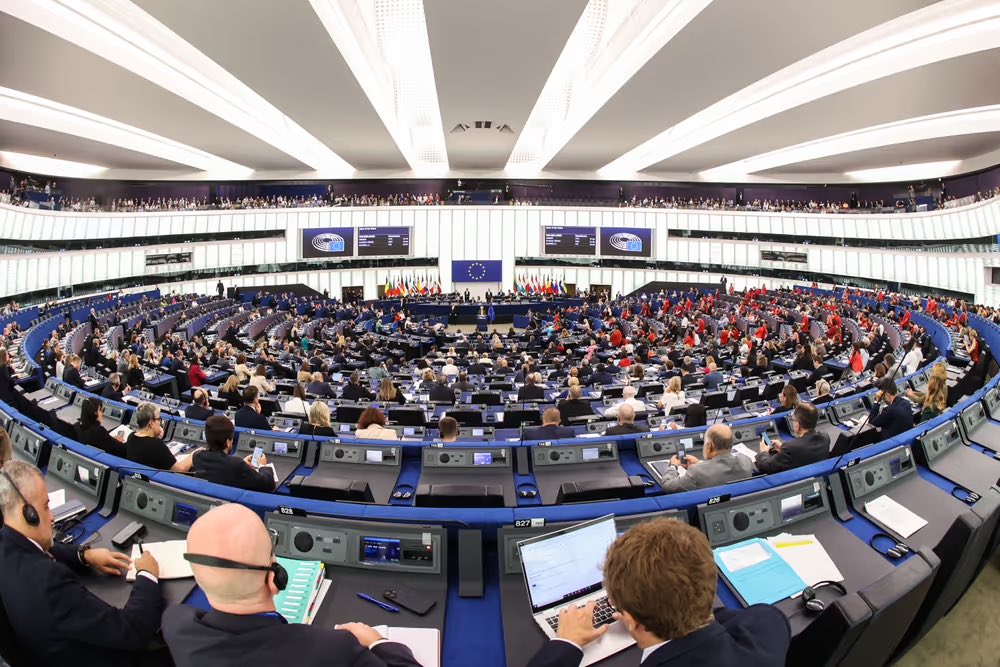
Brussels has taken a decisive step towards tightening consumer protections in Europe’s travel sector, with MEPs on Thursday adopting their position on a long-awaited overhaul of the EU’s Package Travel Directive.
The reform seeks to guard holidaymakers against the kind of chaos that engulfed the industry during the COVID-19 pandemic and following the collapse of several major tour operators.
The European Parliament’s negotiating stance, drafted by its Committee on the Internal Market and Consumer Protection, now sets the stage for talks with the Council and Commission from 24th September.
At its core, the proposed legislation aims to give travellers clearer rights to information, cancellation, refunds and repatriation if their trip is disrupted or their travel organiser goes bust. It would also define more precisely what constitutes a “package” holiday and create EU-wide rules on the use of vouchers—an issue that became deeply contentious during the pandemic when millions of cancelled holidays left consumers holding paper promises rather than cash.
The Commission first tabled its proposals last year, arguing that the pandemic had exposed serious gaps in EU protections. Travellers were often forced to wait months, sometimes years, to reclaim their money when trips were cancelled en masse.
Many were pushed to accept vouchers instead, often with no certainty they would ever be honoured. Some tour operators subsequently collapsed under the weight of refund obligations, leaving consumers stranded and out of pocket. The new rules are intended to prevent a repeat of that debacle.
Vouchers under stricter rules
A major flashpoint is how vouchers should be handled. MEPs insist consumers must always retain the right to reject vouchers and demand a refund within 14 days. They also want to ensure that if a traveller accepts a voucher but never redeems it, the outstanding value must be paid back once it expires. Vouchers should last up to 12 months, be extendable or transferable once, and be covered by the organiser’s insolvency guarantees so that their value is not lost if a company goes under.
Crucially, the Parliament’s position would give voucher holders priority in choosing new travel services and allow them to spend their credit either in one go or across several bookings. In practice, this could make vouchers more attractive—transforming them from a grudging last resort into a flexible alternative for those who still want to rebook.
This marks a subtle but significant shift in emphasis: rather than banning or discouraging vouchers outright, MEPs are trying to restore consumer confidence in them, while ensuring that cash refunds remain the default option. The goal is to strike a balance between protecting consumers and giving operators breathing space in times of crisis.
Clearer cancellation rights
The proposed reforms would also codify travellers’ rights to cancel trips in the face of emergencies. If “unavoidable or extraordinary circumstances” arise—at the destination, departure point or during the journey—travellers would be able to cancel without penalty and receive a full refund. This would cover scenarios such as sudden natural disasters, new travel restrictions or major security incidents.
Whether a cancellation is justified would still be judged case by case, but MEPs want any official travel warnings issued up to 28 days before departure to carry significant weight. The intention is to end the uncertainty seen during the pandemic, when travellers often faced a costly gamble over whether to cancel early or hope for conditions to improve.
Row over pre-payments
In most areas, MEPs have aligned with the Commission’s blueprint—but they have drawn the line at proposed limits on pre-payments. Brussels wanted to cap upfront payments at 25 per cent of the total package price, with the balance due no earlier than 28 days before departure. This, the Commission argued, would reduce consumer exposure if a company went bust before the trip began.
Parliament disagrees, insisting that rules on pre-payments should remain a matter for national governments. Many operators rely on early deposits to finance bookings and secure hotel or transport slots, and industry lobbyists warned that a blanket EU cap could choke cashflow, particularly for smaller firms. In the end, MEPs sided with that argument, preferring flexibility over uniformity. This divergence sets up a likely flashpoint in the upcoming negotiations with the Council.
Consumer rights with teeth
For Alex Agius Saliba, the Maltese socialist MEP who authored the Parliament’s report, the package marks a watershed. “We aim to strengthen consumer rights, which is one of the best ways we can serve our citizens,” he said after the vote. “Extraordinary situations can cause a lot of stress if you are unable to travel. We are making it clear that in such cases, the consumer can cancel the package and receive a full refund within 14 days, allowing them to book another holiday. Consumer protection on paper is nice, but enforcement will be key.”
To that end, the proposals include a mandatory complaints mechanism to ensure grievances are handled swiftly and rights are upheld. The emphasis on enforcement reflects a broader lesson from the pandemic: even the strongest protections mean little if consumers cannot actually exercise them.
A high bar to clear
Parliament approved its stance by a hefty margin—535 votes in favour, 36 against and 47 abstentions—signalling broad political consensus. Yet the legislative process is far from over. The Council, representing EU governments, is expected to take a harder line on issues such as pre-payments and the financial burden on operators. Travel firms, still nursing scars from the pandemic, will also push back against measures they see as too onerous.
Even so, the momentum behind reform is undeniable. If MEPs get their way, European travellers could soon enjoy far stronger safeguards when booking holidays—a prospect likely to be welcomed by consumers, if not by every corner of the travel industry. The summer of chaos may be over, but its lessons are set to reshape how Europe goes on holiday.