A group of European countries has urged Brussels to tighten Schengen tourist visa rules for Russian citizens, turning access to European holiday destinations into a new point of pressure in the EU’s response to Moscow’s war against Ukraine.
The demand was raised at a meeting of EU home affairs ministers in Luxembourg, where Sweden’s migration minister Johan Forssell called for stricter rules on Russian tourist visas. Sweden and ten other countries sent a letter to the European Commission and the EU’s foreign policy chief, arguing that the current system remains too uneven and too permissive while Russia continues its military campaign against Ukraine.
The countries pressing for tighter rules include Sweden, Poland, the Czech Republic, Denmark, Estonia, Finland, Latvia, Lithuania, the Netherlands, Norway and Iceland. Although Norway and Iceland are not EU member states, both are part of the Schengen area and therefore have a direct interest in common visa policy.
The immediate trigger is the number of visas still being issued to Russian citizens. According to figures cited in the appeal, Russian nationals received 477,878 Schengen tourist visas in 2025. The figure has become politically sensitive because it suggests that, despite several rounds of EU restrictions since 2022, many Russians are still able to travel to Europe for non-essential purposes.
The EU has already taken action on Russian travel. In September 2022, the Council agreed to fully suspend the visa facilitation agreement with Russia, making the process more expensive, slower and more demanding for Russian applicants. The European Commission also says the suspension affects all categories of short-stay travellers and was introduced in response to Russia’s full-scale invasion of Ukraine.
Brussels has also moved against multiple-entry visas. The Commission’s visa measures linked to Russia’s invasion state that Russian applicants no longer benefit from the simplified procedures that applied before the war. However, the countries behind the latest letter argue that the rules are still applied unevenly across the Schengen area.
That is the central weakness in the current system. Visa policy remains partly national in practice, even within the Schengen framework. One country may apply a restrictive interpretation, while another may continue to issue larger numbers of tourist visas. For governments bordering Russia or directly exposed to Moscow’s security pressure, that variation is now being treated as a political and security problem.
The argument is not only symbolic. Several member states see Russian tourist access as part of a broader sanctions-enforcement question. If Russian banks, companies, broadcasters, airlines and officials face restrictions, they argue that ordinary leisure travel should not continue at a level that appears detached from the war. The pressure is strongest among countries that have consistently favoured a harder EU line on Russia.
There is also a security dimension. The signatories argue that Russian travel into the Schengen area carries risks beyond tourism, including intelligence activity, circumvention of restrictions and the abuse of travel permissions. These concerns are not new, but the higher number of tourist visas issued in 2025 has given them fresh political force.
For the European Commission, the issue is difficult because a blanket nationality-based ban would raise legal and policy questions. EU visa rules normally require individual assessment. Humanitarian cases, family visits, dissidents, journalists, students and people with legitimate reasons to travel may still need access. The challenge is to restrict leisure travel without closing the door to people who may have grounds for protection or lawful movement.
The dispute also reveals a familiar division inside the EU. Poland, the Baltic states, Finland and several Nordic countries have generally pushed for stronger restrictions on Russian access. Other countries have been more cautious, either because of legal concerns, consular practice, tourism interests, or a preference for distinguishing between the Russian state and Russian citizens.
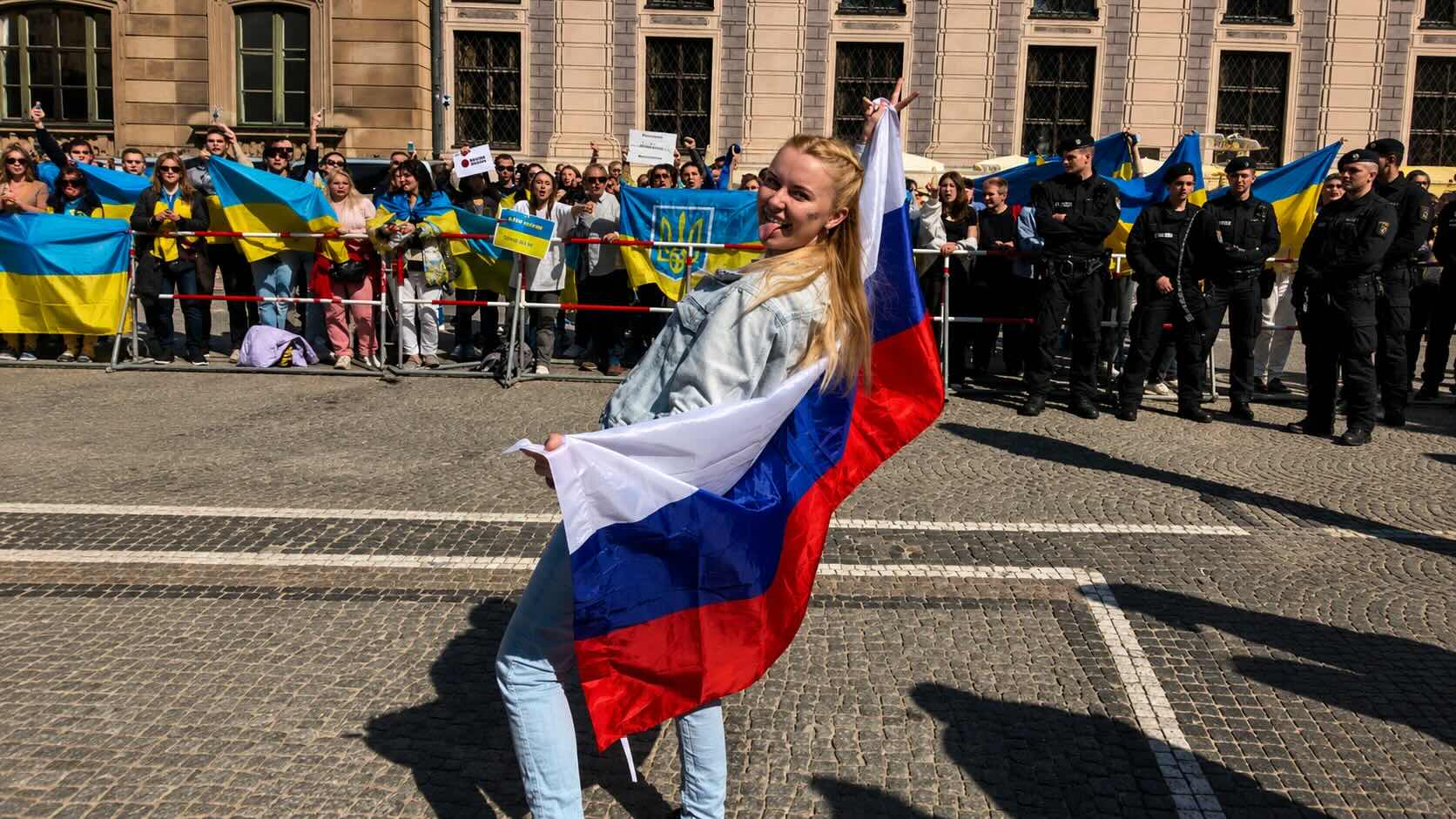
The political pressure is likely to increase as the summer travel season begins. The image of Russian tourists visiting European resorts while Ukrainian cities remain under attack has become a direct challenge to the EU’s claim that its Russia policy is coherent. For governments supporting tighter rules, the issue is whether Schengen access has become a loophole in the wider sanctions architecture.
The practical question is what Brussels can do next. Options could include more restrictive guidance to consulates, tighter rules on multiple-entry visas, stronger harmonisation of refusal grounds, closer monitoring of national issuance patterns, or a formal proposal to amend parts of the visa framework. Each option would carry legal and diplomatic consequences.
The debate will not decide the war in Ukraine. But it shows how the conflict has reshaped areas of EU policy that were once treated as technical or administrative. Tourist visas are now part of a wider contest over sanctions discipline, internal security and political messaging.
For Brussels, the problem is no longer only whether Russians can legally apply for Schengen visas. It is whether the EU can maintain a credible Russia policy while allowing large-scale leisure travel from a country whose government is waging a war on Europe’s borders.