Hungary EU rule of law reforms are becoming an early test of whether Brussels can reward democratic repair without lowering the standards it used to freeze billions in EU funds under Viktor Orbán.
Hungary’s new political direction has given the European Union a rare opportunity: to show that its rule-of-law tools can do more than punish democratic backsliding. They can also support recovery, reform and institutional rebuilding when a member state changes course.
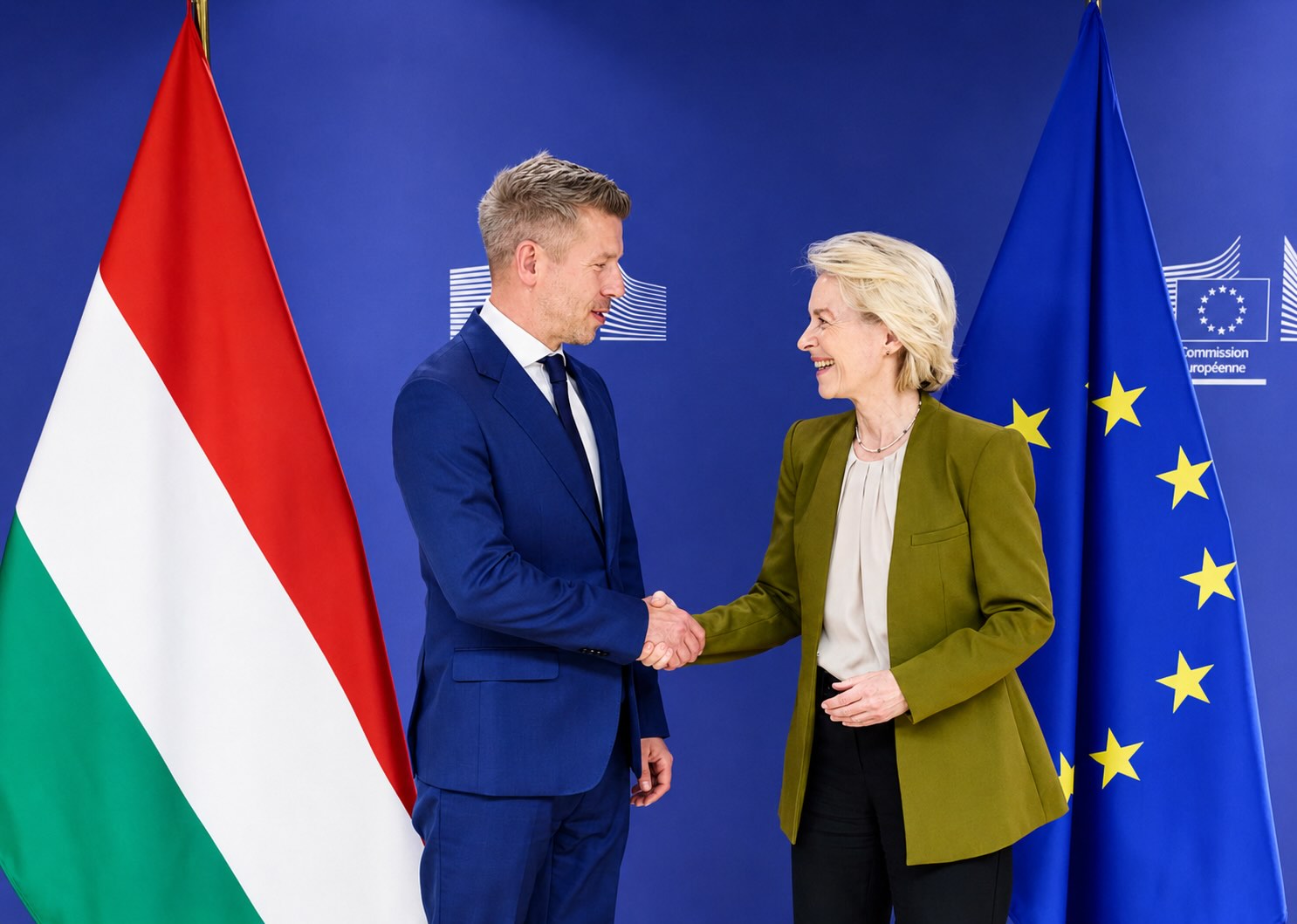
That opportunity is now tied to Prime Minister Péter Magyar’s anti-corruption agenda, the future of frozen EU funds, and the credibility of Brussels’ long-running strategy towards Budapest. The issue is no longer simply whether Hungary can unlock money. It is whether the reforms behind that decision are durable enough to restore trust.
The shift follows the European Union’s decision in late May to release €16.4 billion in previously frozen funds after rapid reforms by Magyar’s government, according to Associated Press reporting. The funds had been withheld during the Orbán era over concerns including corruption, judicial independence and democratic backsliding.
EU Today previously reported that Hungary was nearing an EU funds deal while anti-corruption questions remained. The latest developments move that story into a more difficult phase: implementation.
Anti-corruption reform becomes the central test
At the centre of the new phase is Hungary’s Integrity Authority, created in 2022 as part of an EU-demanded effort to improve oversight of public money. Under Ferenc Biró, the body is now seeking a stronger role in tracking the movement of public funds and detecting corruption risks.
The Financial Times reported this week that the authority has developed an artificial intelligence system intended to monitor economic transactions and trace public money allegedly misused during Orbán’s 16 years in power. Biró has estimated that vast sums may have been improperly channelled through networks connected to the former governing elite.
The use of AI in anti-corruption work gives the story a modern institutional edge, but it also raises expectations. Technology can help identify patterns, anomalies and procurement risks. It cannot, by itself, guarantee prosecutions, judicial independence or political accountability.
That distinction matters for Brussels. EU rule-of-law policy has often been criticised as too slow when governments dismantle checks and balances, and too vulnerable to political compromise when money is at stake. Hungary now offers a different question: how quickly should the EU reward a government that promises to reverse democratic damage?
Brussels must balance speed and credibility
The Commission has an obvious interest in showing that reform pays. If member states see that credible changes can restore access to EU funds, Brussels strengthens the incentive structure behind its rule-of-law conditionality system.
That system is rooted in the EU’s Rule of Law Conditionality Regulation, which allows the bloc to protect its budget when rule-of-law breaches affect, or seriously risk affecting, the sound management of EU money. In Hungary’s case, the link between public procurement, corruption risk and EU funds has long been central to Brussels’ concerns.
But speed carries risks. If funds are released before reforms are embedded, the EU may appear to be trading legal standards for political convenience. If it moves too slowly, it may weaken reformers in Budapest who argue that rejoining the European mainstream delivers tangible benefits.
This is the narrow path facing the Commission. It must show confidence in Hungary’s new direction without creating the impression that a change of government alone is enough. Institutional repair requires laws, independent enforcement, open procurement, judicial credibility and protection for civil society and media pluralism.
The Orbán legacy still shapes the debate
The depth of the challenge reflects the scale of the Orbán legacy. Over 16 years, Hungary became the EU’s most prominent rule-of-law problem, repeatedly clashing with Brussels over courts, media freedom, corruption, academic independence, migration, LGBTQ rights and foreign policy alignment.
Magyar’s government has moved quickly to signal a break with that period. Its commitments include stronger anti-corruption oversight, closer cooperation with EU institutions, and a willingness to rebuild confidence with Brussels. Yet the political and administrative networks formed under Orbán will not disappear overnight.
That is why the Integrity Authority’s future powers matter. A serious anti-corruption reset would require access to data, protection from political retaliation, cooperation from prosecutors, and a clear route from detection to enforcement. Without that chain, even sophisticated monitoring tools risk becoming a symbol rather than a solution.
A wider test for EU conditionality
The Hungarian case is also being watched beyond Budapest. Other EU governments, candidate countries and European Parliament groups will draw lessons from how Brussels manages the transition from sanctioning backsliding to rewarding reform.
If the process succeeds, Hungary could become evidence that EU conditionality can change incentives and help restore democratic standards. If it fails, critics will argue that the bloc released leverage too early and weakened one of its few effective tools for defending the rule of law.
For now, the question is not whether Hungary has turned a page. Politically, it has. The harder question is whether the next page will contain institutions strong enough to prevent a return to the habits that froze Budapest out of EU funding in the first place.
That makes Hungary’s anti-corruption reset more than a domestic reform programme. It is a test of the European Union’s ability to connect money, values and accountability without losing sight of any of the three.