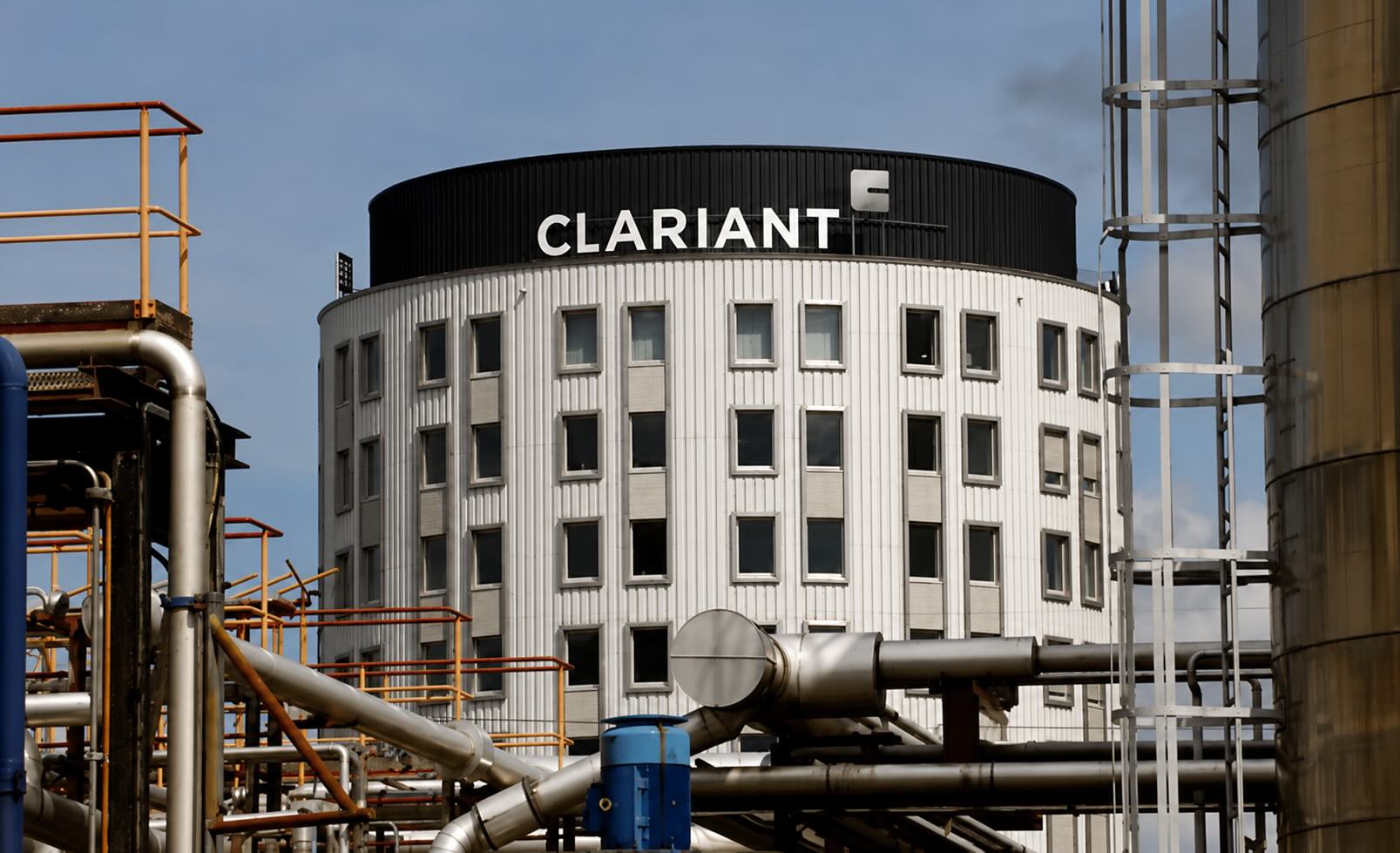
The damages action shows how EU cartel enforcement can continue to create financial exposure years after the Commission’s original penalty.
Clariant has rejected a €1.1 billion damages claim brought by Dow Europe over alleged harm linked to an ethylene-purchasing cartel previously sanctioned by the European Commission.
In a 17 July ad hoc announcement, Clariant said it had received the claim on 16 July at the court of Dortmund, Germany. The company said the claim concerned four companies, including Clariant, and related to a 2020 competition-law infringement in the ethylene purchasing market.
Reuters, in a report carried by Euronext, said the European Commission fined Clariant, Orbia and Celanese a total of €260 million in 2020 for colluding to keep ethylene purchase prices low. Clariant said it rejects Dow Europe’s allegations and will defend its position.
The case matters because it shows the financial afterlife of EU cartel enforcement. A Commission fine may end the public regulatory phase, but private damages claims can continue for years as customers, suppliers or counterparties seek compensation for alleged losses.
Ethylene is a key petrochemical building block used in plastics, packaging, construction materials and industrial products. A purchasing cartel therefore has potential effects through large parts of the chemicals value chain, although the extent of harm is precisely what litigation must establish.
Clariant said it has economic evidence that the conduct did not produce any effect on the market. Dow Europe’s claim will test that position in court, where the dispute will turn on causation, damages calculation and the relationship between the Commission’s findings and private liability.
For companies operating in the EU, the message is that antitrust risk does not end with a settlement or fine. Follow-on damages actions can be larger than the original penalty and can continue to affect balance sheets long after the conduct took place.
For Brussels, private litigation is part of the enforcement ecosystem. It increases deterrence by allowing affected parties to pursue compensation, but it also adds complexity and uncertainty for companies trying to close legacy competition cases.
The Dow-Clariant claim is therefore not merely a corporate denial. It is another sign that EU competition enforcement now carries a long tail of courtroom exposure.