The Valencia venture shows how Chinese carmakers can respond to tariffs and local-content pressure by becoming European manufacturers rather than remaining exporters.
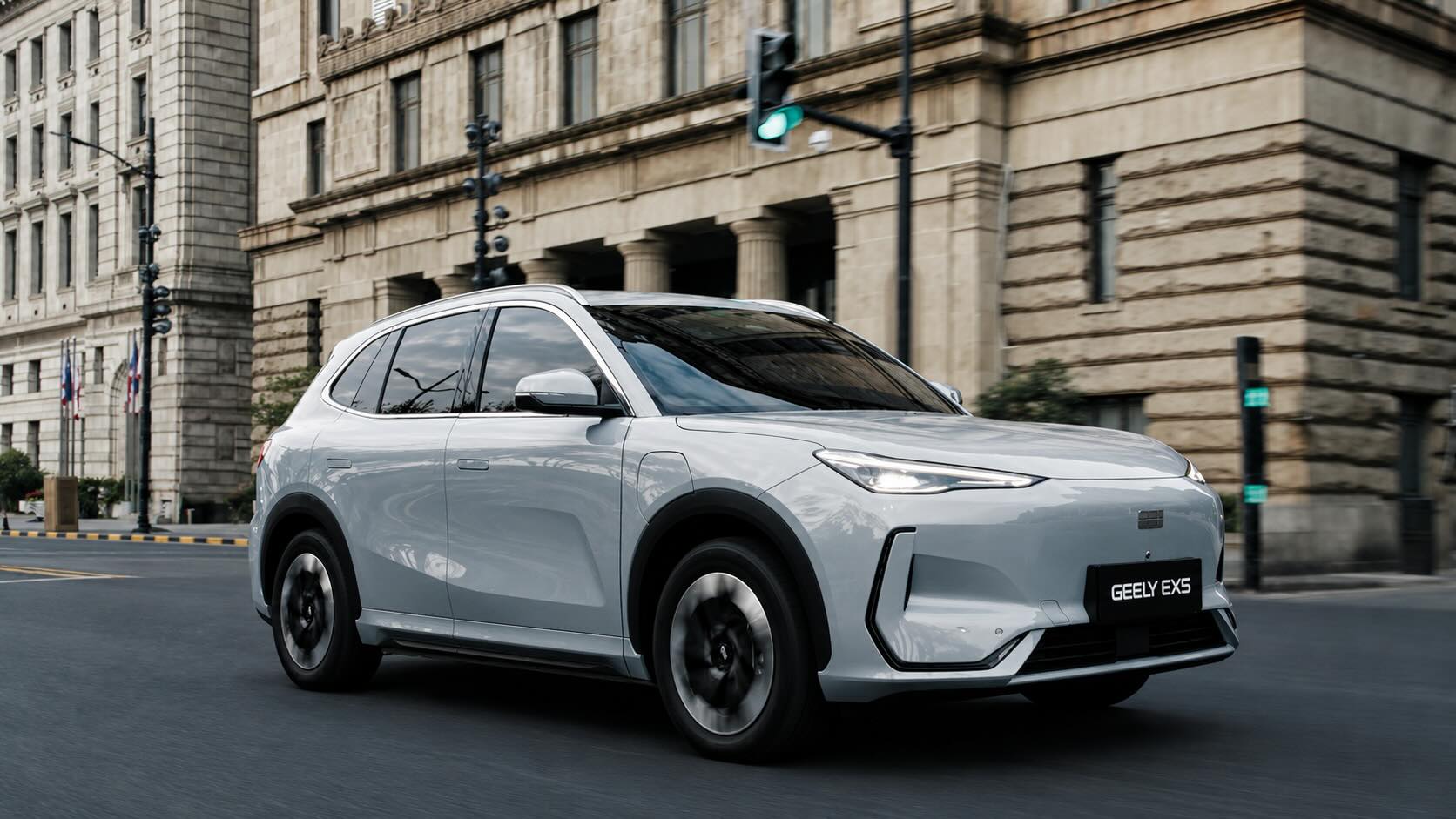
Ford and Geely have agreed a joint venture to produce electric and multi-energy vehicles at Ford’s Valencia plant, turning an underused Spanish factory into a test case for Europe’s next phase of automotive competition. Reuters reported that Geely will build two electric SUVs at the site from 2028 and that the companies will jointly develop a new model for the European market. A Ford-issued announcement said the venture is intended to maximise Valencia’s capacity and support Ford’s European product plan.
The deal is not only about one factory. It shows how Chinese manufacturers are adapting to Europe’s regulatory environment. Brussels has imposed additional duties on Chinese electric vehicles and is moving toward rules that increasingly reward local production, local employment and local value creation. Chinese brands can respond in two ways: accept tariffs as a cost of exporting, or place themselves inside Europe’s industrial base. Geely has chosen the second route.
Ford’s motive is different but compatible. Valencia has suffered from underutilisation after model changes and weak European profitability. A large car plant carries fixed costs whether it is full or half empty. Sharing capacity with Geely helps keep the factory relevant, spreads overhead and preserves an industrial footprint that Ford would otherwise struggle to justify. In effect, Ford is converting spare capacity into bargaining power.
For Geely, the advantages are strategic. It gains a production base inside the European Union, a route to avoid some import-tariff exposure, access to local labour and supply chains, and a stronger answer to political claims that Chinese EV makers only export overcapacity. It also benefits from Ford’s European manufacturing knowledge and regulatory familiarity. That does not make Geely a European company, but it makes its cars more difficult to treat as simple imports.
The policy problem for Brussels is subtle. Tariffs and local-content rules are designed to protect European industrial capacity. But if Chinese companies use joint ventures to fill European factories, hire European workers and build vehicles inside the EU, the distinction between foreign competition and local production becomes harder to maintain. Regulation may strengthen European production while also accelerating Chinese presence within it.
That outcome is not necessarily bad. European consumers need affordable electric vehicles. European plants need volume. European workers need industrial projects that can survive the transition away from combustion engines. A partnership that keeps a Spanish factory busy may look more attractive than an empty plant defended in the name of strategic autonomy. The question is who controls technology, software, platform decisions and future investment.
The software issue is central. Chinese EV groups have become competitive not only because of battery cost and manufacturing scale, but because they move quickly on software, infotainment, over-the-air updates and digital features. If Geely uses Valencia mainly as an assembly base while keeping key software and platform control elsewhere, Europe may gain jobs without gaining technological depth. If the venture genuinely develops European-facing models with local engineering, the industrial benefit is broader.
The deal also has implications for other legacy manufacturers. Underused capacity is common in Europe as demand shifts, regulation tightens and competition from lower-cost EVs intensifies. Rather than close factories, established carmakers may increasingly invite Chinese partners in. That could create a new map of European automotive production: not Chinese imports versus European incumbents, but mixed ownership, shared platforms and factories producing multiple brands.
Recent coverage of foreign acquisitions and industrial control, including the JD.com-Ceconomy subsidy case, has shown how Brussels is watching ownership structures more closely. Automotive joint ventures raise a different question from retail acquisitions, but the underlying issue is similar: when foreign capital and technology enter strategic European sectors, regulators must decide what kind of control matters.
For Spain, the immediate calculation is employment and investment. Valencia can become a bridge between European industrial policy and Chinese EV scale. The Spanish government will present the project as a win if it protects jobs and raises output. But Spain and the EU should still ask how much local supplier content, engineering activity and strategic decision-making will sit inside Europe.
For Ford, the venture is a way to keep a European base while reducing the financial burden. For Geely, it is a way to become local before rules require it. For Brussels, it is a warning that regulation does not only block behaviour. It reshapes it. Europe’s EV rules may be producing exactly what policymakers asked for: more vehicles made in Europe. The harder question is whether Europe will control the value chain behind them.