The case turns Britain’s water scandal from civil penalties into criminal accountability for the data used to police environmental compliance.
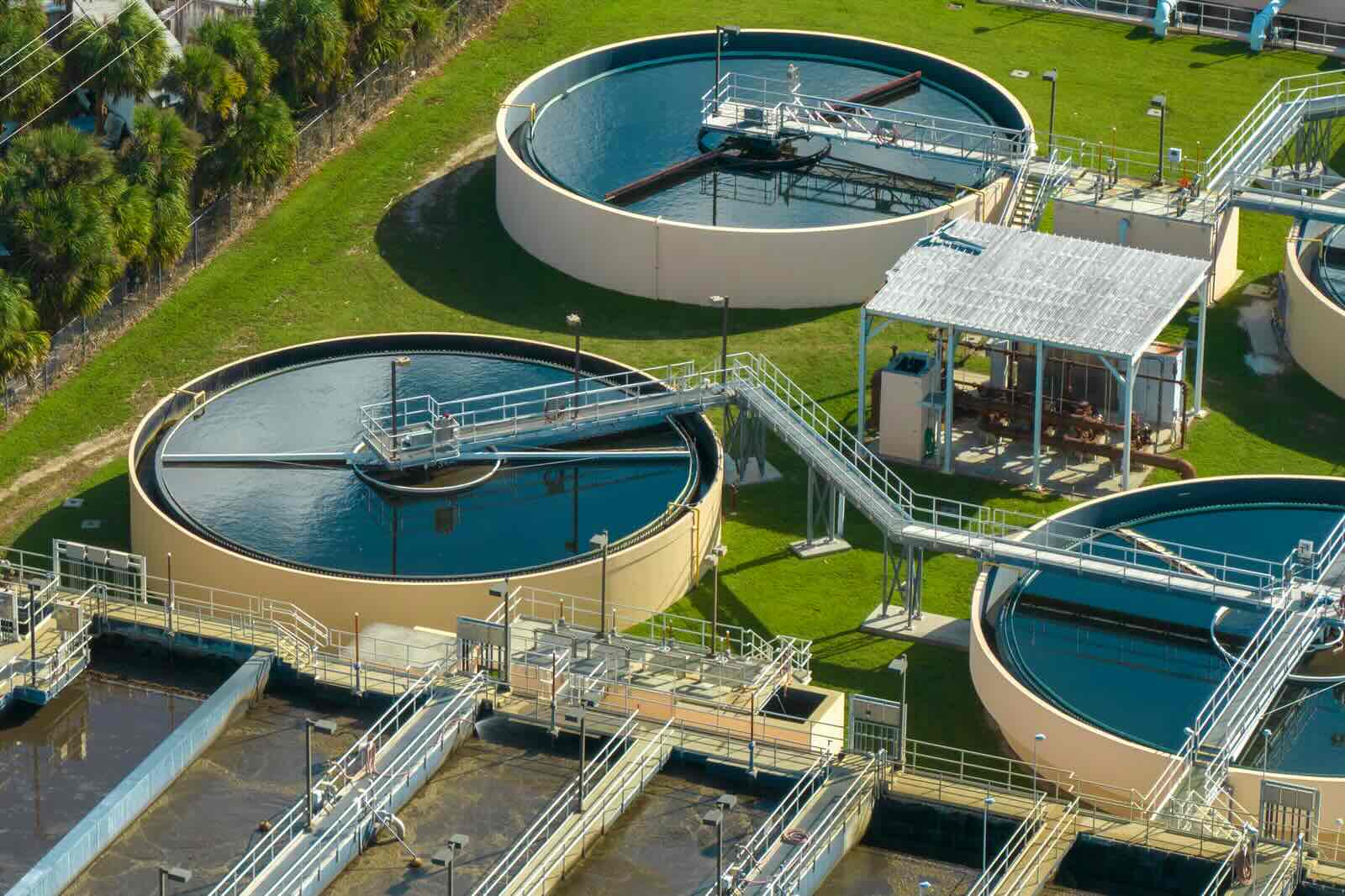
Britain’s Environment Agency has begun criminal proceedings against four former Southern Water employees, including former chief executive Matthew Wright, over alleged manipulation of wastewater compliance monitoring. The agency said in a 22 July announcement that the individuals face a charge of conspiracy to defraud in relation to alleged artificial “no-flow” events at wastewater treatment works between 2012 and 2017.
The allegations remain unproven. The defendants are entitled to due process, and the case will have to be tested in court. But the nature of the allegation is unusually significant. This is not another civil fine for pollution after the event. It concerns the integrity of the monitoring data used by regulators to decide whether a water company was complying with environmental rules.
Operator self-monitoring sits at the centre of the case. Under that model, regulated companies gather and report information used to assess compliance. The system can work if companies have strong internal controls, if regulators audit aggressively and if penalties for manipulation are credible. It can fail badly if the operator has both the incentive and the ability to influence the data that determines enforcement.
The Environment Agency says the alleged conduct involved artificial no-flow events at wastewater treatment works to manipulate the Operator Self-Monitoring regime. If proven, that would mean the regulator and Ofwat were not merely receiving poor performance data; they were allegedly being deceived about the conditions under which compliance was measured. That distinction explains why a criminal charge has public-policy importance beyond the individuals named.
The case lands amid a wider crisis of trust in water companies. Britain has seen repeated public anger over sewage discharges, dividends, executive pay, rising bills and infrastructure underinvestment. Earlier analysis of sensitive public contractors and ownership examined how private entities performing public functions create accountability questions. Water utilities present a similar problem: they are private companies operating assets that affect public health, environment and local economies.
Self-monitoring was intended to make regulation efficient. Utilities operate complex networks, and regulators cannot be present at every site at every moment. But efficiency depends on trust. Once the public suspects that companies can influence the numbers, every performance claim becomes contestable. That damages not only the company involved, but the legitimacy of the regulatory system.
The government’s plan to end operator self-monitoring therefore matters. If data is collected independently, or under tighter external control, the opportunity for manipulation narrows. But replacing self-monitoring is not simple. Independent monitoring requires equipment, inspectors, data systems, audit trails and funding. It may also produce more violations on paper because the system becomes better at finding them. Politically, that can look like deterioration even when it is improved measurement.
There is also a deterrence question. Civil penalties can be absorbed as business costs, especially if misconduct saves money or avoids investment. Criminal prosecutions are different because they attach personal risk. If senior executives believe they can face charges over compliance manipulation, internal controls become more serious. Boards may ask harder questions about data integrity, site practices and reporting culture.
The case may influence other regulated sectors. Environmental compliance, food safety, financial reporting, care quality and infrastructure resilience all depend on data produced partly by operators. Regulators increasingly rely on digital submissions, sensors and internal reporting systems. If those systems are not independently auditable, the same accountability gap can appear elsewhere.
Southern Water has previously faced major penalties and reputational damage. The company has said in past cases that it has changed leadership and governance. That may be relevant to corporate reform, but it does not erase the public interest in establishing what happened during the period under investigation. Accountability for historical conduct matters because infrastructure failures often accumulate over years.
The trial process will need careful reporting. The charge is conspiracy to defraud, not a final finding. The named former executives should not be treated as guilty before evidence is heard. At the same time, the allegation itself is serious enough to justify scrutiny because it goes to the mechanism by which environmental law is enforced.
The broader lesson is that regulation depends on truthful measurement. A river can be polluted, a treatment works can fail and a community can suffer, but the system only responds if the data shows the breach or investigators uncover concealment. If monitoring can be manipulated, environmental law becomes performative. The Southern Water case is therefore not only about one utility. It is about whether the state can trust the information on which public protection depends.