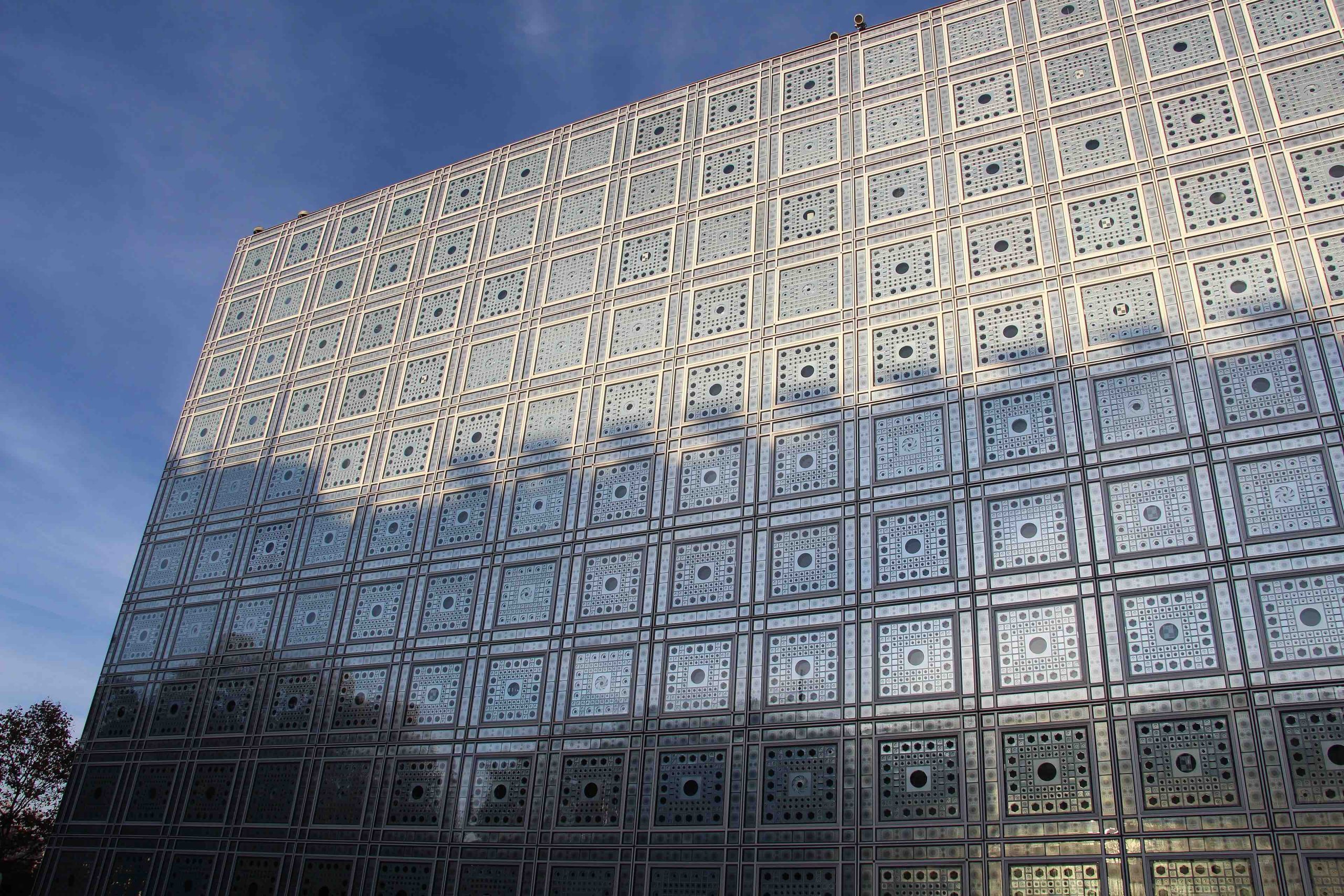
Paris has grown accustomed to scandal, but even by the standards of the Fifth Republic the sight was arresting: police officers stationed outside the Arab World Institute, that glass-and-steel temple of cultural diplomacy overlooking the Seine, while investigators carried boxes of documents past tourists and schoolchildren.
The raid, carried out on Monday morning, forms part of an expanding French investigation into links between the late financier and convicted sex offender Jeffrey Epstein and one of the country’s most recognisable public figures, the veteran Socialist politician and former culture minister Jack Lang.
Lang is no obscure apparatchik. For decades he embodied France’s cultural self-confidence: the architect of the Fête de la Musique, champion of arts funding, and a fixture of Parisian intellectual life. Since 2013 he had presided over the Arab World Institute, itself a symbol of France’s historic ambition to mediate between Europe and the Middle East.
That is precisely why the images matter. In France, politics and culture are rarely separate spheres; they overlap in salons, museums and ministerial offices. When investigators search a cultural institution, the implication is not merely legal but civilisational. Something that was supposed to represent refinement is being examined for impropriety.
Prosecutors confirmed the search was part of a probe into Lang and his daughter Caroline, opened after newly released American documents concerning Epstein circulated internationally. The inquiry concerns suspected tax fraud, though investigators are still assessing the broader ramifications of the files.
Lang has stepped down from the institute, and both he and his daughter deny wrongdoing or receiving money from Epstein. Their lawyer insists “there was no movement of funds”. Lang himself maintains he was unaware of Epstein’s crimes despite correspondence with him between 2012 and 2019 — long after Epstein’s earlier conviction in the United States.
The legal questions will be settled in time. The political consequences, however, have already begun.
The French National Financial Prosecutor has not confined its work to one man. Paris authorities have established a dedicated team to review the trove of Epstein-related documents, and officials say several potential cases may emerge. One involves allegations that a French diplomat supplied United Nations documents to the financier, claims he rejects.
What began as an American criminal saga is therefore mutating into something Europe has rarely experienced: a transatlantic moral reckoning.
For years, Epstein’s notoriety was regarded on this side of the Atlantic as a peculiarly American scandal — sordid, sensational and remote from Europe’s cultivated elites. That assumption now looks naïve. The files appear to map not merely a criminal network but a social one, exposing how easily influence, philanthropy and prestige can intertwine.
France is especially sensitive to such matters. Its political culture has long tolerated a blurred line between private life and public office. The country that once treated the personal affairs of presidents as matters of discretion rather than scrutiny is discovering that a globalised media environment offers no such protective shield. The release of documents abroad can produce investigations at home within days.
The symbolism is potent. The Arab World Institute was founded in 1980 as a bridge between civilisations, backed by the French state and Arab governments alike. It represents dialogue, scholarship and cultural exchange. A police search there — regardless of the outcome — suggests that reputations once considered unassailable are no longer immune to forensic examination.
More broadly, the case illustrates how reputational capital functioned in elite circles for decades. Epstein cultivated relationships not through overt criminality but through patronage: invitations, donations, introductions and the aura of wealth. Many who met him insist they encountered only a philanthropist. Yet the persistence of those contacts after his conviction is what now troubles investigators and public opinion alike.
In France, where intellectual prestige carries almost aristocratic weight, the issue cuts deeply. The question being asked is not simply whether laws were broken, but whether judgment failed — and whether social status insulated certain figures from scepticism that would have greeted lesser men.
This is why the investigation has resonated beyond Paris. Across Europe, authorities are examining whether links to Epstein intersected with public institutions, charities or diplomatic channels. The affair is no longer about one financier; it is about a network of trust and influence spanning continents.
For Lang personally, the stakes are existential. A career that once symbolised cultural vitality now risks being remembered for association rather than achievement. Even an eventual legal exoneration may not restore the aura that surrounded him for four decades.
For France, the implications are broader still. The republic prides itself on the moral authority of its cultural life — the idea that its intellectual class embodies universal values. Police vans outside a museum challenge that belief more effectively than any political speech.
And for Europe, the lesson may be harsher. The Epstein affair demonstrates that global elites operate in a single ecosystem. Distance offers no protection, and prestige offers no immunity. When secrets surface in one jurisdiction, they travel swiftly across borders — along the same social networks that once concealed them.
The investigation will run its course. Courts will weigh evidence, lawyers will argue, and verdicts will eventually be delivered. Yet the deeper impact has already arrived: a quiet but unmistakable erosion of deference.
The raid on a cultural institute in Paris was therefore more than a legal procedure. It was a moment when the old assumption — that reputation could substitute for scrutiny — finally gave way.
Main Image: – Paris – Institut du Monde Arabe
Click here for more News & Current Affairs at EU Today
Click here to check out EU TODAY’S SPORTS PAGE!
_____________________________________________________________________________________________________________________