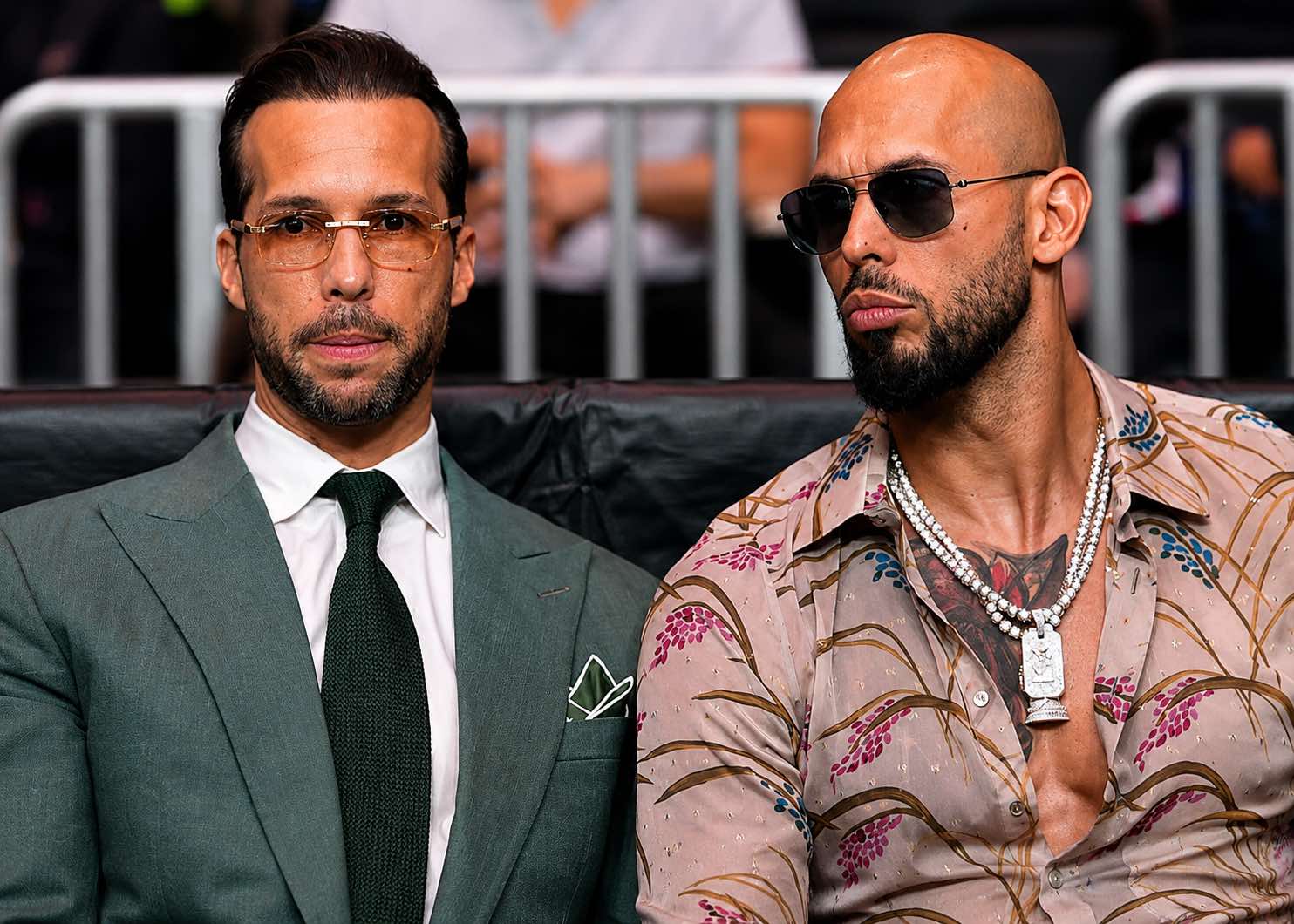
The arrests materially change the legal position of Andrew and Tristan Tate, placing American custody, British extradition and existing proceedings elsewhere into the same cross-border case.
US Marshals have arrested Andrew and Tristan Tate after British prosecutors announced fresh alleged offences and confirmed plans to seek their extradition to the United Kingdom.
The arrests took place on 18th July, according to Reuters, which reported the development on 19th July. The Crown Prosecution Service said the UK case now includes four additional alleged victims and offences connected to allegations of rape, human trafficking and controlling prostitution. Both men deny wrongdoing.
The case is legally complex because it spans jurisdictions. The brothers have already faced proceedings elsewhere, including in Romania, while British authorities have pursued their own case. The US arrests introduce a new operational step: the defendants are now in American custody while the UK seeks to bring them before British courts.
Extradition is not a finding of guilt. It is a legal process for deciding whether a person should be transferred to another jurisdiction to face proceedings. US courts will examine whether the request meets treaty and procedural requirements. Defence lawyers can challenge the request on legal grounds. The allegations themselves will be tested only if the case reaches trial.
The public interest is high because the Tate brothers are internationally prominent online figures with a large following among young men. Their public profile, however, should not distort the legal frame. The core issue is not their notoriety but whether prosecutors can pursue serious allegations across borders while defendants exercise their rights.
The new alleged victims matter because they broaden the UK case. Prosecutors must still prove any charge beyond the required legal threshold, but the addition of alleged offences changes the scale of the proceedings and may affect arguments about custody, bail and extradition urgency.
The case also illustrates the difficulty of transnational accountability when suspects, businesses, online platforms and alleged victims may be spread across countries. Digital influence can be global, but criminal proceedings remain tied to national jurisdiction, evidence rules and extradition treaties.
For British authorities, the arrest gives the case new momentum. A request can now move through the US system rather than remaining an intention. For the defendants, the legal challenge shifts to preventing or contesting extradition while responding to allegations already circulating across multiple jurisdictions.
The case also sits within a wider European concern about online influence and real-world harm. EU Today has recently covered technology regulation through competition, platform accountability and digital governance, including the debate over US-backed opposition to EU digital rules. The Tate case is not a platform-regulation case, but it shows why online reach can complicate ordinary legal accountability when public narratives form before courts hear evidence.
Media coverage must be careful. Allegations should be attributed, denials included and procedural steps separated from findings of fact. That caution is especially important in a case where online commentary, fan networks and political reaction can easily outrun the court process.
The next key stage will be the US extradition proceedings. They will determine whether the brothers are sent to Britain and how quickly. Until then, the arrests mark a significant escalation in a case already defined by its unusual mixture of celebrity, alleged exploitation, online influence and cross-border law enforcement.
If extradition is approved, prosecutors will still face the practical work of presenting evidence gathered across borders and over time. If it is contested successfully or delayed, the case may become a test of how quickly traditional legal cooperation can operate in high-profile cases shaped by social media attention.
For readers, the important distinction is procedural. Arrest, extradition and prosecution are separate stages. The arrests make the case more immediate, but they do not determine guilt. That will remain for a court.
The British request will also test how courts handle public safety, flight-risk and reputational arguments in a case already receiving intense online attention. Prosecutors may argue that the seriousness of the alleged offences and the defendants’ international mobility support extradition. Defence lawyers may argue that the public profile of the case has created prejudice and that any transfer must strictly comply with treaty safeguards.
The additional alleged victims create another practical issue: witness protection and confidence in the process. High-profile cases can discourage complainants if they fear online harassment or public identification. Courts and prosecutors will need to manage the case in a way that protects fairness for the accused while reducing intimidation risks for those involved.
__________________________________________________________________________________________________________________
Click here for more News & Current Affairs at EU Today
Click here to check out EU TODAY’S SPORTS PAGE!
___________________________________________________________________________________________________________________