The guns have fallen silent over Gaza and Western leaders are congratulating themselves. Brussels issues a press release about ceasefire and “a path to peace.” London speaks solemnly of “humanitarian relief.” Washington praises its own restraint.
Photographers snap tidy images of rubble and returning civilians. Everyone smiles politely. And everywhere, the moral applause is deafening. Yet it is all so entirely misplaced.
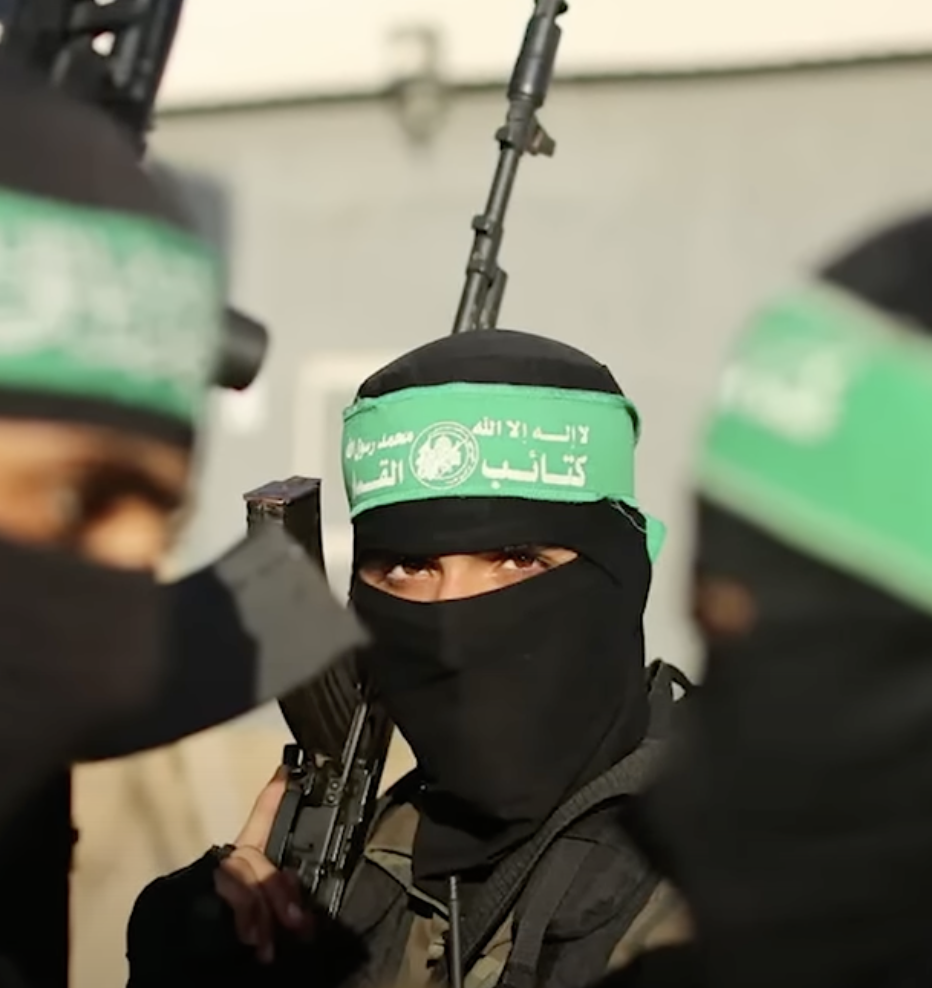
This ceasefire is not peace. It is a dangerously naive, self-congratulatory pause. It is the West congratulating itself for moral virtue while leaving the very ideology that threatens Israel, Europe, and the free world intact. Hamas survives. Its propaganda machine hums. Its tunnels remain. Its networks are unbroken. The black-and-green banners are already waving over the ruins. And the West applauds that survival as if endurance were victory. It is not.
We must ask the question that polite diplomats dare not voice aloud: should Israel have been allowed to finish the job? Should the West, instead of pressing for restraint, have thrown its weight decisively behind its only democratic ally in the region? To dismantle Hamas’s weapons, tunnels, and, most crucially, the Islamist ideology that festers like a malignant tumour? Half-measures only allow extremism to recover. Survival for them is propaganda; restraint for us is humiliation.
Western policy has long been a theatre of hypocrisy. We demand Israel defend itself “proportionately,” as if proportionality were meaningful against a death cult. We preach “de-escalation,” then clutch our pearls when Hamas emerges triumphant. Every ceasefire is a victory parade for the enemy. Survive, and you can claim to have defeated the West. Endure, and your ideology is validated. Moral scruples have become a weapon against us.
And here lies the danger. What festers in Gaza does not stay in Gaza. Islamist ideology travels, adapts, and infiltrates. Europe has already seen this playbook: radical preachers in Paris, Brussels, London, and Berlin turning distant conflicts into rallying cries. Social media amplifies every grievance, every atrocity, every humiliation. Each pause, each call for restraint, becomes proof that the West lacks courage. With every failure abroad, the threat creeps closer to home. Silence is not a safeguard.
Gaza today is not merely a humanitarian crisis; it is a staging ground. If Islamic fundamentalism is allowed to entrench itself, the next intifada may not erupt in Khan Younis — it may erupt on European streets. Knives, bombs, sermons, and hashtags will replace tanks and rockets. Europe has tolerated parallel societies, hesitated to confront extremism, and allowed grievance to metastasise unchecked. Gaza’s pause may be the fuse that ignites our cities.
The West likes to soothe its conscience. Ceasefires are photogenic. They look moral. They feel like action. But soothing consciences is not the same as securing civilisation. By pulling Israel back, the West has preserved not peace, but peril — and ensured that the ideology it refused to crush abroad will return to haunt us at home. Moral posturing has consequences. It always does.
History offers a clear lesson. Hamas, Hezbollah, and similar movements rely on Western patience. Every halt in military pressure allows them to regroup, rebuild, and propagate their narratives. Every call for “proportionality” is interpreted as weakness. Every humanitarian concession becomes a propaganda victory. Survival is victory. Endurance is legitimacy. Western restraint is a gift to the enemy.
Europe has a choice. Continue with half-measures, press releases, and performative diplomacy, or confront reality with courage. Supporting Israel’s right to self-defence is necessary but not sufficient. Some ideologies cannot be appeased. Some threats cannot be deferred. Diplomacy without resolve is illusion. Morality without strategy is risk. And failure abroad rarely remains abroad. It arrives at our own borders.
Europe must prepare. Intelligence agencies must anticipate and disrupt the flow of radicalisation. Community leaders must confront extremist narratives. Law enforcement must act decisively when ideology metastasises into threat. Policymakers must reconcile humanitarian impulses with long-term strategic imperatives. Failure risks repeating the same pattern: a temporary pause, followed by another eruption — next time on our streets.
Some will protest: this is callous. Heartless. Unfeeling. Of course civilian lives must be spared, aid delivered. But compassion without strategy is dangerous. It provides cover for extremism, enabling it to survive. Mistaking a lull for peace, survival for victory, will bring the next eruption closer to home. And Europe will be the battleground.
History is watching. The ceasefire will be remembered not for handshakes, not for press conferences, not for moral applause. It will be remembered for consequences. Civilization is not preserved by pauses in the fighting. It is preserved by courage, clarity, and decisiveness.
Gaza may be silent for now, but silence is no safeguard. Until the ideology that threatens the free world is addressed — decisively, comprehensively, and without apology — this lull in the guns is nothing more than a brief interlude before the next crisis arrives at our doorsteps.
The West may congratulate itself. History may not.
Click here for more News & Current Affairs at EU Today
________________________________________________________________________________________________________________________