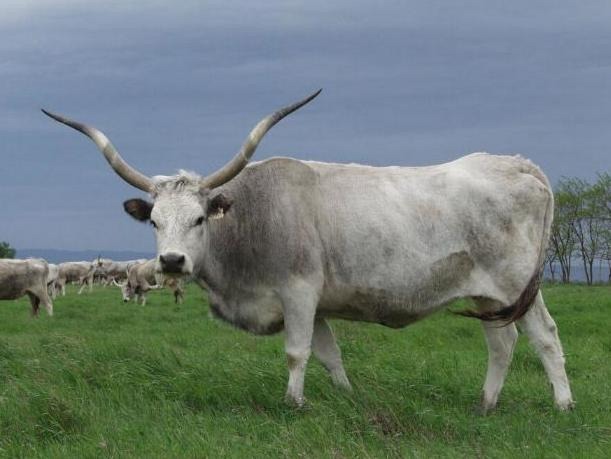
The British government has ramped up its efforts to prevent the spread of foot and mouth disease (FMD) following a confirmed case in Hungary. This move is aimed at protecting farmers and livestock across Great Britain.
In response to the outbreak, the UK government has swiftly imposed restrictions on the commercial importation of cattle, pigs, sheep, goats, and other non-domestic ruminants and porcines, including deer and their untreated products such as fresh meat and dairy from Hungary and Slovakia. These measures are crucial in ensuring the safety of UK livestock and minimising the risk of disease transmission.
The confirmed case was detected on a cattle farm in northwestern Hungary, near the border with Slovakia. National authorities reported clinical signs, and laboratory tests later confirmed the presence of FMD. The UK government, in collaboration with local authorities and traders, is actively monitoring goods currently in transit to Great Britain. Pre-notification systems and robust border controls are in place to prevent affected consignments from entering the country.
These restrictions extend to goods from Germany as well, following an outbreak in a water buffalo herd in Brandenburg on January 10th, 2025. The government remains vigilant and prepared to take further action if necessary.
From March 8th, travellers will no longer be permitted to bring meat, meat products, milk, dairy products, certain composite products, animal by-products from pigs and ruminants, as well as hay or straw from Hungary and Slovakia into Great Britain. This measure aims to further mitigate the risk of FMD spreading through contaminated materials.
UK Chief Veterinary Officer Dr. Christine Middlemiss has urged livestock keepers to remain vigilant for clinical signs of FMD in light of recent outbreaks in Hungary and Germany. While there are currently no reported cases in the UK, she emphasised the importance of stringent biosecurity practices to safeguard livestock.
FMD is a highly contagious viral disease affecting cattle, sheep, pigs, and other cloven-hoofed animals such as wild boar, deer, llamas, and alpacas. Although the disease does not pose a risk to human health or food safety, it has severe economic implications, causing production losses and export restrictions in affected countries.
Farming Minister Daniel Zeichner reaffirmed the government’s commitment to protecting UK farmers from the risks posed by FMD. He highlighted the immediate restrictions on animal products from Hungary and Slovakia as a necessary step to prevent an outbreak. The government has also pledged to add more countries to the restricted list if the disease continues to spread.
In a further effort to strengthen the UK’s defences against animal diseases, the government recently announced a £200 million investment in the Weybridge research and laboratory testing facilities. This funding will bolster the country’s ability to detect and respond to outbreaks swiftly.
Main Image: By Pellinger Attila at Hungarian Wikipedia – Transferred from hu.wikipedia to Commons., 7 February 2008 (original upload date), CC BY 3.0, https://commons.wikimedia.org/w/index.php?curid=114322171