
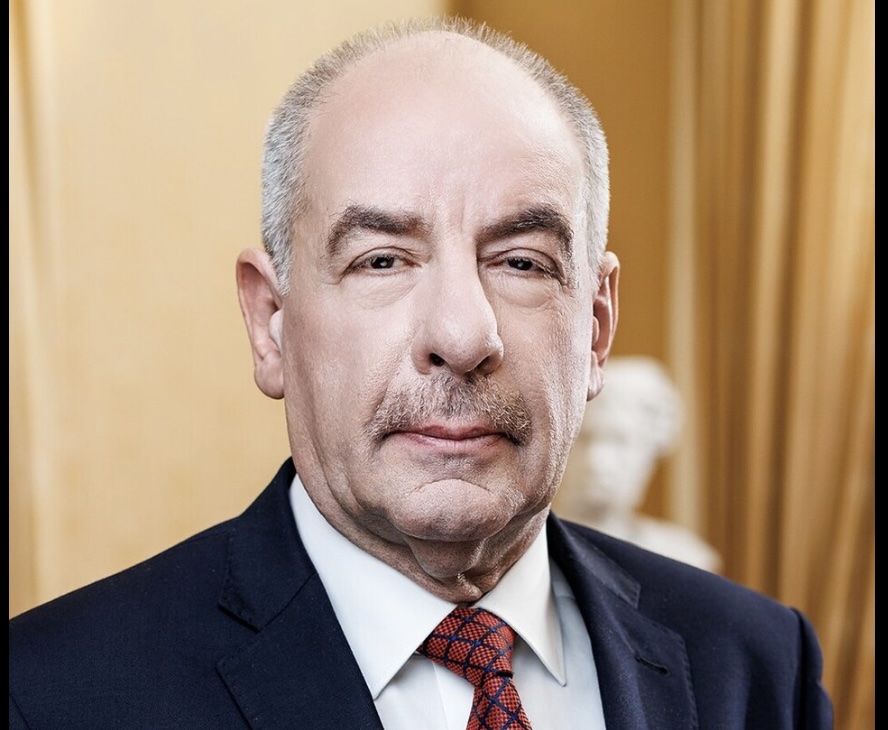
Hungary’s parliament has approved constitutional changes removing President Tamás Sulyok and reshaping institutions associated with the Orbán era.
Hungary’s parliament has approved constitutional changes removing President Tamás Sulyok and reshaping senior political and judicial offices, marking the first major institutional break by Prime Minister Péter Magyar’s new government from the Orbán-era state structure.
Reuters reported that Hungary’s parliament passed an amendment to remove the president, while a separate Reuters report covered the resignation of Fidesz’s parliamentary group chief over the legislation. AP also reported that the amendment passed by 139 votes to six after Fidesz boycotted the session.
The change is politically dramatic because Sulyok was appointed during Viktor Orbán’s rule and had resisted calls to resign after Magyar’s pro-European Tisza party won a two-thirds majority. The presidency is largely ceremonial, but it carries veto and constitutional-signalling powers. Removing Sulyok is therefore both symbolic and practical.
The amendment reportedly introduces term or age limits affecting lawmakers and senior judicial office-holders, including figures associated with the old system. That makes the reform broader than a single personnel change. It is part of Magyar’s attempt to dismantle institutional safeguards that allowed Fidesz appointees to remain influential after losing government.
EU Today has repeatedly followed Hungary’s rule-of-law conflicts with Brussels. The new development changes the direction of the story. For years, EU institutions criticised Orbán for weakening checks and balances, capturing public institutions and obstructing common EU positions on Russia and Ukraine. Now a new government is using its supermajority to reverse or replace parts of that structure.
That creates a delicate distinction. Institutional reform and political replacement can overlap. Supporters argue that Sulyok and other Orbán-era office-holders were part of a system that undermined democratic accountability. Critics warn that using constitutional power to remove office-holders risks replicating the same majoritarian logic used by Fidesz.
The legitimacy test will be process. If reforms are transparent, tied to clear rule-of-law standards and followed by independent appointments, they may help restore institutional trust. If they mainly install loyalists under new branding, Brussels will face a more complicated assessment.
The EU will also watch Hungary’s foreign-policy behaviour. Orbán repeatedly used veto power or obstruction in EU debates over Russia, Ukraine and sanctions. Magyar has promised a more pro-European line. Changing the presidency and judicial leadership could make it easier for Budapest to realign with EU institutions, but external policy will be judged by actions in Council negotiations.
For Hungarians, the reform marks the opening phase of a broader constitutional reset. Magyar has signalled plans for a new charter and deeper institutional changes. The removal of Sulyok may therefore be only the first visible step in a longer process.
The risk is that rapid dismantling becomes politically destabilising. The opportunity is that Hungary may finally unwind structures that placed it at the centre of EU rule-of-law disputes. The difference will depend on whether the new majority uses its power to rebuild checks and balances or simply reverse control.

