
The suspension of US military aid to Ukraine, including the halt of all military equipment deliveries, is expected to have significant consequences for the country’s defensive capabilities.
The decision, which affects weapons in transit on aircraft and ships as well as those waiting in transit zones such as Poland, has raised concerns among military experts about its long-term impact.
Dependence on US Military Equipment
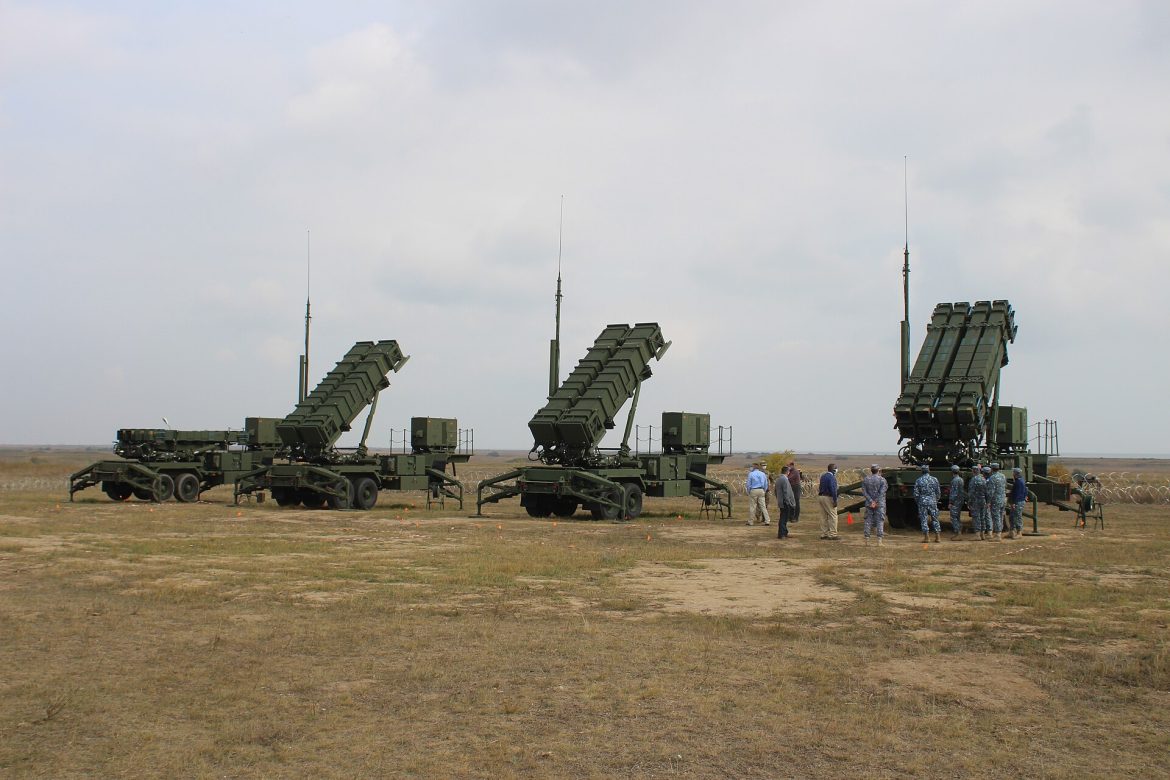
According to estimates, approximately 30% of Ukraine’s active military arsenal, including air defence systems and munitions, originates from the United States. Among these, key components such as Patriot anti-missile interceptors, NASAMS air defence system missiles, and HIMARS rocket ammunition are exclusively produced in the US.
Furthermore, American intelligence, particularly satellite reconnaissance, has played a crucial role in Ukraine’s strategic operations.
A disruption in the supply of these critical systems is expected to hinder Ukraine’s air defence efforts and battlefield operations.
While European allies have pledged continued support, the lack of US-manufactured systems could create significant challenges.
The Role of the UK and European Support
In response to the pause in US assistance, the UK government, under Prime Minister Keir Starmer, has announced a new agreement enabling Ukraine to access £1.6 billion in export financing to procure 5,000 air defence missiles. These missiles, to be produced by a Birmingham-based defence firm, are expected to enhance Ukraine’s ability to counter drone and missile threats.
Among the systems being introduced is the Martlet missile, a lightweight air defence missile designed to replace American Stingers. It has a range of six kilometres when launched from the ground and up to eight kilometres from a helicopter. The Martlet’s laser and infrared guidance system makes it resistant to countermeasures such as decoy flares, giving it an advantage over older air defence missiles like the British Starstreak.
Although this agreement represents a step forward, it does not fully compensate for the loss of American air defence systems. The missiles are primarily designed for countering drone threats, including Shahed loitering munitions, rather than more advanced aerial threats such as ballistic missiles.
The UK’s Proposal to Enforce an Airspace Protection Zone
A separate initiative proposed by the UK involves enforcing a no-fly zone over Ukraine in the event of a ceasefire agreement.
Under this plan, British Eurofighter Typhoon jets could be stationed at Polish airbases, including the military facility in Mińsk Mazowiecki, from where they could rapidly respond to airspace violations.
These aircraft would be tasked with intercepting cruise missiles and drones but would not be effective against ballistic missile threats.
If implemented, such a measure would mark a significant shift in Western involvement in Ukraine’s defence. However, the effectiveness and feasibility of this approach remain subject to political and military considerations.
Russia’s Drone Warfare Expansion
Russian forces have been expanding their use of drones in Ukraine, with intelligence reports suggesting that they aim to launch up to 500 drones simultaneously in future attacks. While this figure is considered overstated, given that recent Russian drone launches have averaged around 200 per week, the possibility of increased production remains a concern.
Russia’s drone manufacturing is currently spread across multiple facilities, with reports indicating the development of jet-powered drones alongside conventional Shahed drones.
Ukrainian military planners believe that without US intelligence support, targeting these production sites will become more difficult.
Recent Ukrainian attacks on drone manufacturing facilities in Russia, including the plant in Yelabuga, have been sporadic, raising concerns about their ability to disrupt Russian production in the long term.
The Growing Role of Drone-Based Air Defence
In response to increasing drone threats, Ukrainian forces have started deploying FPV (First-Person View) drones as a countermeasure. These drones are being used to intercept enemy drones, reducing the reliance on expensive surface-to-air missiles.
Mobile air defence units, traditionally equipped with machine guns and man-portable air defence systems, are now being reinforced with operators controlling interceptor drones.
One such development is the “Sting” FPV drone, produced by the Ukrainian group “Wild Hornets.” These drones have proven effective against Russian reconnaissance and attack drones, demonstrating Ukraine’s ability to innovate on the battlefield.
Advanced interceptor drones are also being developed with speeds exceeding 300 km/h to match the speed of Shahed drones. Equipped with machine vision technology, these drones are designed to autonomously track and intercept their targets.
The use of such systems is expected to increase Ukraine’s ability to defend against large-scale drone attacks without exhausting limited missile supplies.
Norway’s Plans for Missile Production in Ukraine
Norwegian defence company Kongsberg Defence & Aerospace has announced plans to establish a facility in Ukraine to manufacture NASAMS air defence missiles. This initiative aims to reduce dependence on American missile supplies, which have become uncertain due to political developments in Washington.
Ukraine has prior experience in missile production, having manufactured the R-27 and R-73 air-to-air missiles in cooperation with Russia before the war.
While American-made NASAMS missiles are expensive and in limited supply, locally produced alternatives could provide a more sustainable solution for Ukraine’s air defence needs.
The production process is expected to leverage existing Ukrainian aerospace technology while incorporating Norwegian expertise.
The Use of Unmanned Aircraft for Bombing Operations
Ukraine has also been adapting its aviation capabilities by converting light aircraft into unmanned bombers. These aircraft, originally designed for sports and recreational flying, have been modified to carry and release bombs over enemy positions.
While these unmanned aircraft provide an additional strike capability, their use remains limited due to vulnerability to ground fire and detection by Russian air defences.
Some pilots initially operated these aircraft manually, but after one was captured by Russian forces, the shift towards full automation became a priority. These aircraft primarily target enemy logistics hubs, fuel depots, and command centres, rather than precision strikes.
The tactic bears similarities to historical “night bomber” operations, such as the Soviet “Night Witches” during World War II, whose constant nighttime attacks disrupted enemy operations.
While the impact of these light aircraft remains secondary to other strike capabilities, they contribute to the broader strategy of maintaining pressure on Russian forces.
Challenges and Strategic Adjustments for Ukraine
The suspension of US military aid is expected to present significant challenges for Ukraine, particularly in maintaining air defence capabilities. While European partners, particularly the UK, are stepping in to provide alternative support, gaps remain in critical areas such as missile defence and intelligence sharing.
Ukraine’s increasing reliance on drone warfare, both for interception and offensive operations, reflects a broader shift in modern military tactics. The development of local missile production and alternative air defence strategies will be crucial in mitigating the effects of reduced US support.
However, without sustained international backing, Ukraine’s ability to resist continued Russian aggression could be severely tested in the months ahead.
Read also:
Ukraine Develops New Sting Drone to Counter Iranian Shahed Drones

