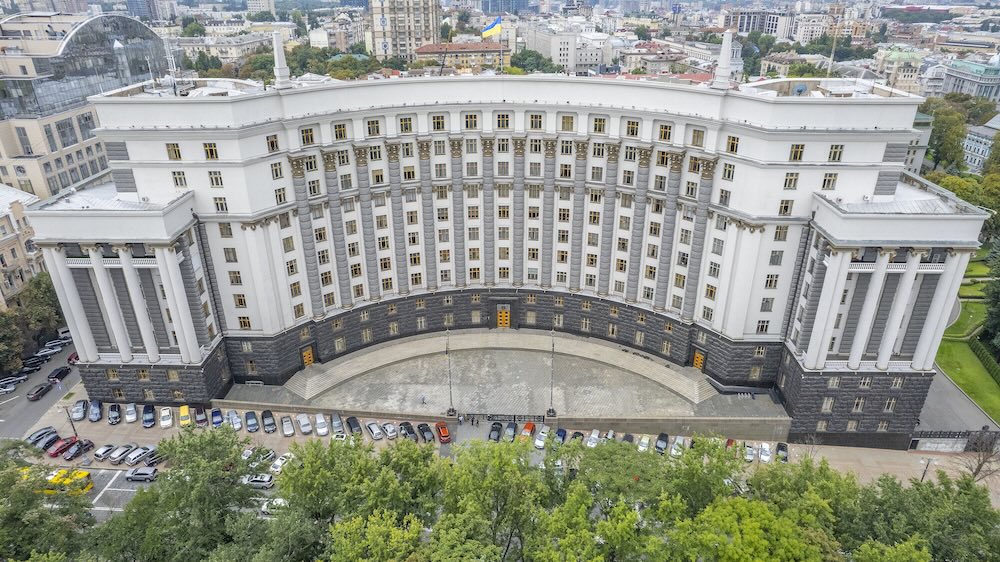
Ukraine’s formal government resignation has turned President Zelenskyy’s wartime reset into an institutional test for defence procurement, energy resilience and EU accession work.
Ukraine’s formal government resignation has turned President Volodymyr Zelenskyy’s wartime reset into an institutional test for defence procurement, energy resilience, anti-corruption measures and EU accession work.
Ukraine was awaiting the formation of a new government after Prime Minister Yulia Svyrydenko submitted her resignation to parliament. The move shifted the story from a proposed reshuffle to an active government transition.
EU Today covered the first stage of the reset in its 12 July analysis of Zelenskyy’s move to replace the prime minister. The new question is not whether Zelenskyy can change personnel. It is whether the transition interrupts the ministries and agencies responsible for urgent wartime programmes.
Defence procurement is the most sensitive file. Ukraine is trying to expand domestic drone production, integrate Western weapons, accelerate ammunition supply and tighten oversight of wartime contracts. Any change in senior officials can delay approvals, shift priorities or create uncertainty for suppliers. That risk is especially acute when Russia is expected to intensify strikes on Ukraine’s energy infrastructure before winter.
Energy resilience is the second major test. The government must coordinate grid repairs, air-defence priorities, fuel supply and financing from European partners. If energy officials are moved or ministries reorganised, Kyiv will need to show that winter preparations continue without disruption.
The reshuffle also affects EU accession. Ukraine’s path toward membership depends on judicial reform, anti-corruption work, public procurement rules and administrative capacity. Brussels is likely to tolerate personnel changes if the reform direction remains clear. It will be less comfortable if changes appear to weaken institutions created to monitor spending or investigate corruption.
Svyrydenko’s departure is politically notable because she was closely associated with economic diplomacy and the effort to secure foreign investment. Her resignation may allow Zelenskyy to install a government more tightly aligned with current wartime priorities. But it also removes a figure who had built working relationships with European and US counterparts.
The parliamentary process should move quickly because Zelenskyy’s political camp retains the ability to shape the government under martial law. Speed, however, is not the same as continuity. Ministers and deputies still need authority, budgets and clear lines of command to keep procurement and reform files moving.
For European governments, the practical question is simple: who signs, who supervises and who is accountable? Ukraine’s partners will watch appointments in defence, energy, economy, justice and anti-corruption institutions more closely than the headline change at the top.
A wartime reshuffle can strengthen the state if it removes bottlenecks and clarifies responsibility. It can weaken the state if it creates uncertainty during a period of intensified Russian pressure. Ukraine’s new government will therefore be judged not by the symbolism of renewal, but by whether drones, interceptors, grid repairs and EU reforms keep moving.