
The European Commission is facing a legal challenge over its decision to grant “strategic project” status to the Barroso lithium mine in northern Portugal, a designation intended to accelerate EU access to critical raw materials needed for batteries and other clean-tech supply chains.
The case has been brought before the EU’s Court of Justice by environmental NGO ClientEarth and Associação Unidos em Defesa de Covas do Barroso (UDCB), a local community group opposing the development.
At the centre of the dispute is the Commission’s 2025 decision to list Savannah Resources’ Mina do Barroso project as “strategic” under the EU’s Critical Raw Materials Act (CRMA), legislation designed to reduce dependence on imports of minerals such as lithium, widely used in electric vehicle batteries and grid storage. The “strategic” label can provide a route to faster permitting and preferential access to support measures, but it does not replace national environmental approvals, which remain with member state authorities.
Campaigners argue that the Commission’s designation was made without properly assessing whether environmental and safety requirements had been met. Their complaint focuses on alleged gaps in the treatment of impacts on protected species and the safety of proposed waste storage arrangements, in addition to broader concerns over effects on local land and water resources.
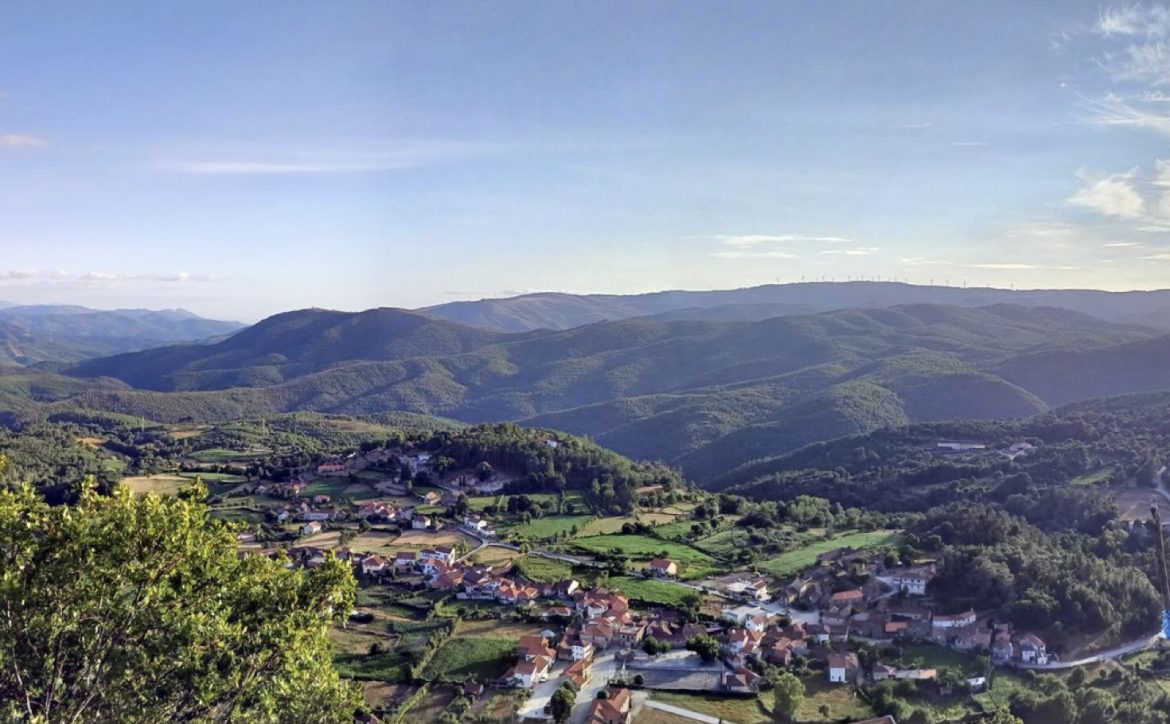
The Commission’s move has attracted attention because Barroso is not a remote industrial site but a rural region whose traditional farming system was recognised in 2018 by the UN Food and Agriculture Organisation under its Globally Important Agricultural Heritage Systems programme. Opponents say this context should weigh heavily in decisions that prioritise extraction, particularly where open-pit mining is proposed.
The legal action follows a longer-running dispute over the project’s national permitting. Portugal’s environmental agency, the APA, granted the mine a conditional environmental approval in 2023. The project has continued to face legal and administrative challenges at national level, and the permitting process has not been completed. Savannah has been pursuing environmental approval since 2020 and has previously said it aims to begin production later in the decade, though timelines depend on permits and financing.
The challenge to the Commission is framed as a test of how the CRMA operates in practice. Campaigners say the “strategic” label carries political and practical weight, and that it should not be granted where key environmental and safety questions remain unresolved. They have also pointed to public participation concerns that have already featured in the broader Barroso controversy. In September 2025, Reuters reported that the Aarhus Convention Compliance Committee found Portugal had breached obligations on access to environmental information and public participation in relation to the project, conclusions that renewed calls from opponents for closer scrutiny.
The Commission, for its part, has previously defended the decision to maintain the project’s “strategic” status. In December 2025, Euronews reported that the Commission concluded the venture would not strain water reserves, a point raised repeatedly by critics, and decided to keep the designation.
The case also comes as Portugal seeks to position itself within a European scramble for battery materials. Reuters reported that the Portuguese government recently awarded €110 million to support the Barroso project and is planning a tender for lithium prospecting licences as Lisbon looks to reduce dependence on imports, including from China. This sits alongside the EU’s wider objective of developing domestic extraction and processing capacity for strategic minerals.
For industry, the dispute highlights a tension between the EU’s industrial strategy and the pace of permitting for major mining projects. The Financial Times noted that European investment in mineral extraction has been discouraged by lengthy authorisation processes, even as policymakers push to secure supply chains for electric vehicles and renewable energy. For opponents, the Barroso case is presented as a test of whether the EU can pursue critical raw materials targets without weakening environmental safeguards or narrowing avenues for public scrutiny.
The European Court of Justice will now consider whether the Commission’s “strategic project” designation complied with applicable procedural and substantive requirements. While the litigation focuses on the Commission’s decision rather than Portugal’s permitting outcome, the result may influence how future strategic projects are assessed and how the CRMA’s acceleration objectives interact with environmental and safety considerations.

