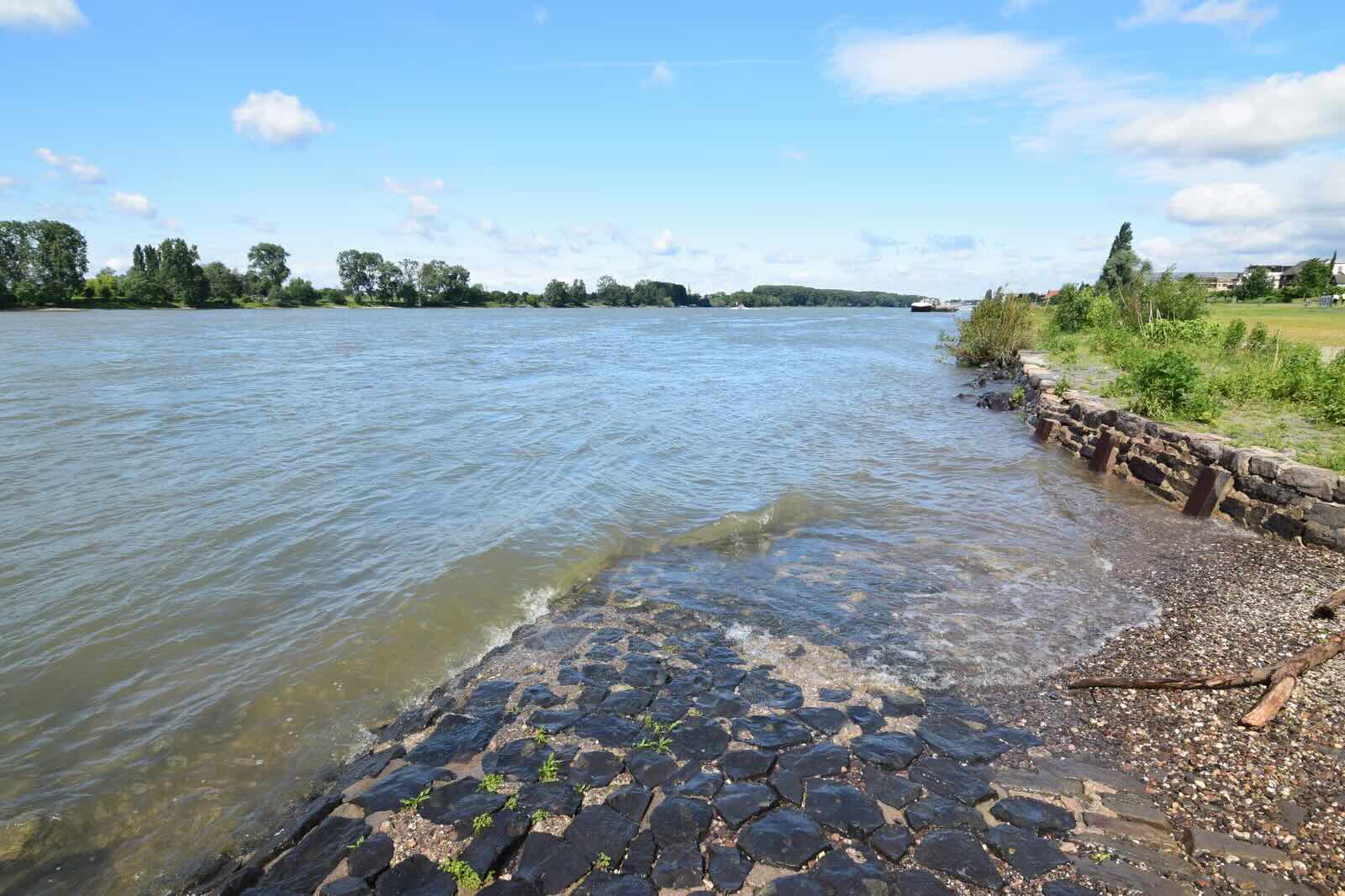
Low water on the Rhine is not only an environmental warning. It can quickly become a freight, fuel and chemicals problem for Germany and north-west Europe.
Low water on the Rhine is again threatening the carrying capacity and economics of inland shipping, raising fresh concern for European industries that depend on the river to move fuels, chemicals, grain, metals and other bulk commodities.
Reuters analysis on 16 July warned that Europe’s next energy shock may be visible in plain sight as drought pressure affects the Rhine, one of the continent’s most important freight arteries. When water levels fall, barges must reduce loads to avoid grounding, meaning more vessels are needed to move the same volume. Freight rates rise, deliveries slow and industrial users face higher logistics costs.
The Rhine matters because it connects industrial Germany, Switzerland, France, the Netherlands and Belgium to ports and production sites. It is especially important for chemicals, coal, oil products, steel inputs and agricultural goods. Disruption on the river can therefore reach factories before it appears as a dramatic shortage.
The economic effect is gradual but powerful. A plant may still receive supplies, but at higher cost. A power station may still secure fuel, but with less flexibility. A chemicals producer may hold inventory, but face uncertainty over replacement deliveries. If low water persists, the pressure can move from logistics margins into production planning.
Europe has seen this before. Low Rhine levels in previous drought years forced companies to reduce barge loads, shift cargo to rail or road, and absorb higher costs. Those alternatives are useful but limited. Rail capacity is constrained, trucking is more expensive and moving bulk cargo away from inland waterways can create bottlenecks elsewhere.
The issue links directly to Europe’s competitiveness debate. EU Today has recently covered how high energy costs and slow reform continue to weigh on industry, including the Draghi reform tracker and Germany’s effort to manage industrial power costs. Rhine disruption adds another layer: even when energy is available, moving it through the economy can become more expensive.
Climate adaptation is therefore becoming industrial policy. Drought-resistant transport planning, better river data, deeper logistics buffers, more flexible rail connections and storage near critical plants are no longer optional resilience measures. They are part of keeping Europe’s manufacturing base competitive.
Energy security is also involved. EU Today has argued that fossil-fuel dependence creates strategic exposure through chokepoints, infrastructure vulnerability and price shocks in its recent white paper on fossil energy as a weapon. The Rhine is a different kind of chokepoint: domestic, climatic and logistical rather than geopolitical, but still capable of transmitting stress through energy and industrial systems.
Policy responses should avoid treating low water as an isolated seasonal inconvenience. Inland waterways are part of Europe’s critical economic infrastructure. Better forecasting, water-management investment and transport diversification can reduce the impact, but they require planning before drought reaches crisis levels.
For Germany in particular, the Rhine is a competitiveness artery. Falling levels do not need to halt industry outright to matter. If they raise costs, reduce reliability and force repeated workarounds, they become one more structural disadvantage for manufacturers already facing high energy prices and weak demand.
__________________________________________________________________________________________________________________
Click here for more News & Current Affairs at EU Today
Click here to check out EU TODAY’S SPORTS PAGE!
___________________________________________________________________________________________________________________