
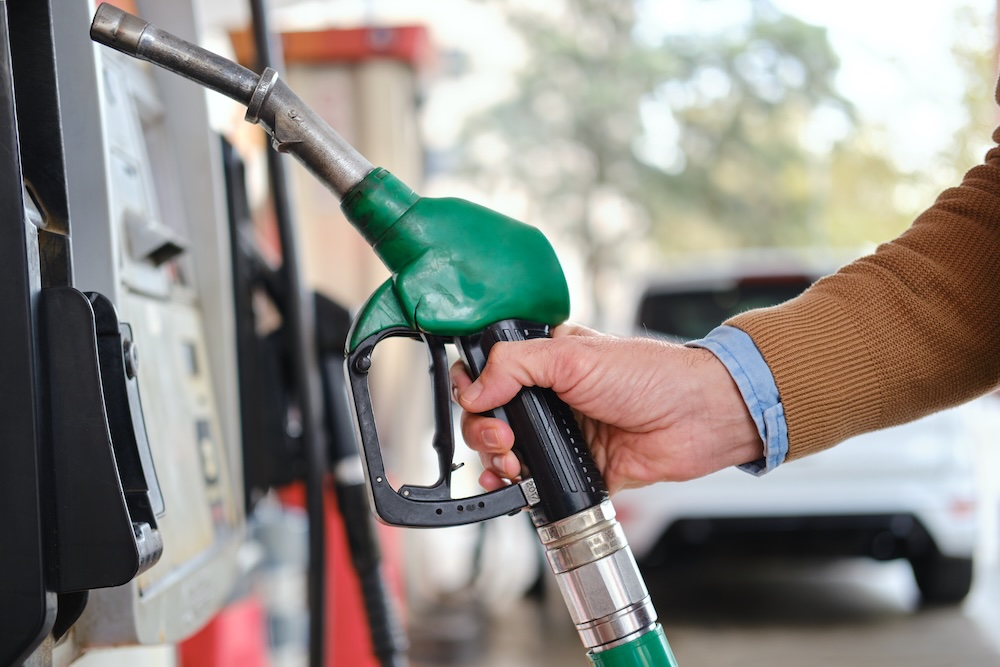
The European Union is considering emergency measures including fuel rationing and the release of additional crude from strategic reserves as officials prepare for what they describe as a potentially prolonged energy shock linked to the war in the Middle East.
EU Energy Commissioner Dan Jørgensen said Brussels was examining “all possible options” as the bloc faces the prospect of sustained pressure on energy prices and supply.
In remarks reported by the Financial Times, Jørgensen said Europe had to prepare for a “long-lasting” crisis. He warned that energy prices were likely to remain higher for an extended period and indicated that shortages in some more critical products could worsen in the coming weeks. The comments mark one of the clearest signals yet that the Commission sees the current disruption not as a short-lived market disturbance, but as a structural risk requiring contingency planning at EU level.
The inclusion of fuel rationing among the options under review is notable. While no such measure has been announced, its discussion by the EU’s energy commissioner suggests Brussels is considering scenarios in which price measures alone would not be sufficient to manage supply pressures. Jørgensen has also argued in recent days that governments and households may need to reduce consumption, including through more home working, less driving and fewer flights, while member states accelerate renewable energy deployment.
The wider economic backdrop has added urgency to those warnings. The Middle East conflict has driven a sharp rise in fuel prices across Europe, prompting governments to intervene. The euro area inflation rose to 2.5% in March 2026 from 1.9% in February, with energy prices reversing earlier declines and rising by 4.9%, adding to concern that the energy shock is already feeding into the broader economy.
Several European governments have already moved to limit the domestic impact. In Germany, lawmakers approved legislation on 26 March to curb fuel price increases by allowing petrol stations to raise prices only once a day, while tightening antitrust rules and increasing transparency in fuel pricing. Diesel prices in Germany had climbed from about €1.75 to more than €2 per litre, placing additional pressure on transport firms and small businesses.
Poland has gone further by cutting fuel taxes and introducing price controls. Reuters reported on 26 March that Warsaw would slash VAT and excise duties on petrol and diesel, cap pump prices and consider a windfall tax on energy companies. The measures were presented as a response to the rapid rise in fuel costs caused by the Middle East war.
Norway, although outside the EU, has adopted similar relief measures. The Norwegian parliament approved temporary cuts to petrol and diesel taxes, effective from 1 April until 1 September, in response to higher prices linked to the conflict. The cuts are expected to cost the state more than 3.3 billion Norwegian crowns, with additional fiscal costs arising from temporary reductions in CO2-related fuel taxes.
Elsewhere in Central Europe, the Czech and Romanian governments have also approved emergency steps. Reuters reported on 2 April that Prague would cap fuel retailers’ margins and cut diesel excise tax, while Romania planned a diesel excise reduction through emergency decree. The same report noted that the Czech Republic had also released 100,000 tonnes of crude from reserves to support refinery operations.
For Brussels, the problem is twofold. First, the conflict has created renewed vulnerability in a European energy market that has only recently adjusted to earlier shocks. Second, the political consequences of persistently high fuel and transport costs could spread quickly across the bloc. Tax cuts and price controls may provide short-term relief, but they do not address underlying geopolitical risk or guarantee stable supply.
Jørgensen’s remarks therefore reflect a broader concern inside the EU that the present energy shock may endure and that governments may need to combine immediate crisis management with longer-term structural change. The Commission is again presenting renewables, interconnection and reduced fossil fuel dependence as the strategic answer. But in the near term, Brussels is also preparing for harder choices if the conflict intensifies and energy disruption worsens.

