
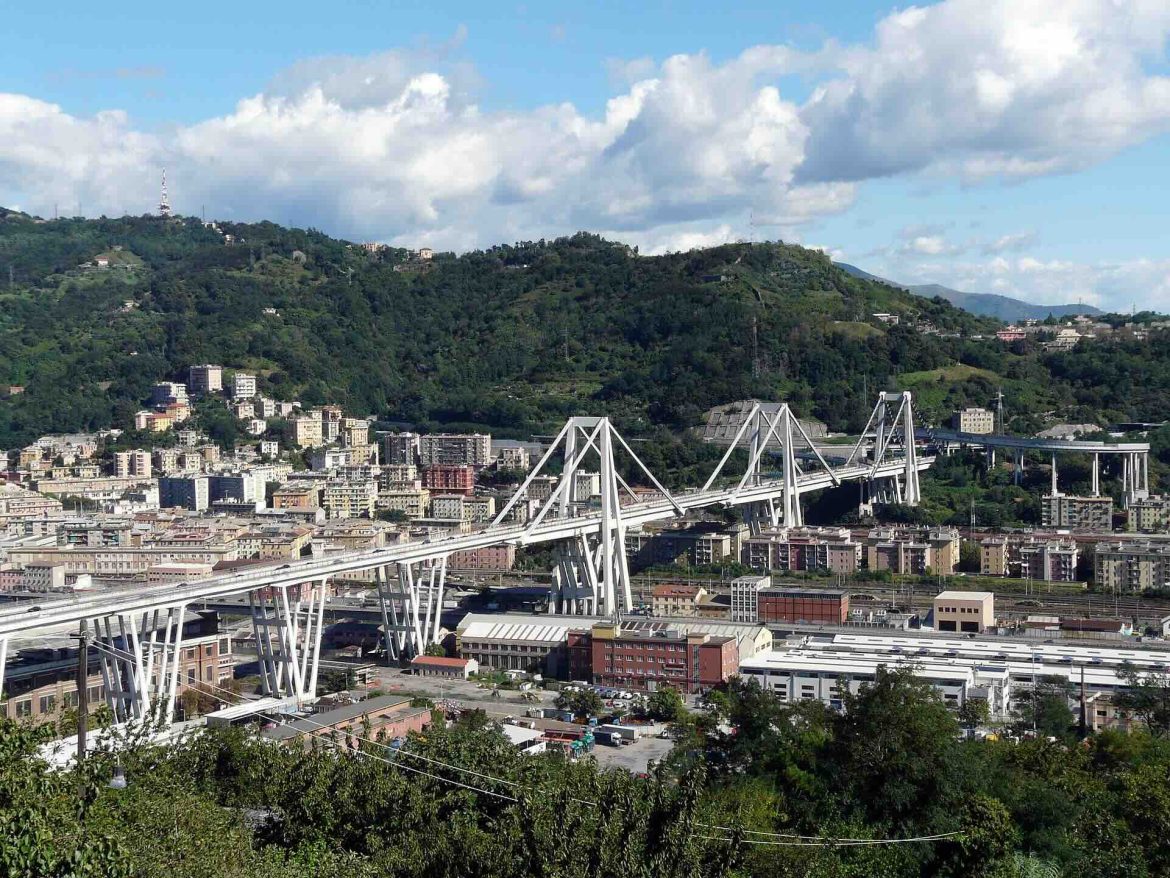
A Genoa court is expected to deliver a first-instance verdict in the Morandi Bridge collapse trial, testing accountability for privatised infrastructure management.
A Genoa court is expected to deliver a first-instance verdict on 16 July in one of Europe’s largest infrastructure-criminal proceedings, nearly eight years after the Morandi Bridge collapse killed 43 people.
The Genoa bridge trial is nearing its first verdict after four years and 284 hearings. The case involves 57 defendants and centres on whether executives, managers and officials ignored structural risks and failed to ensure proper maintenance before the 2018 disaster.
The trial matters beyond Italy because it tests corporate accountability for privatised infrastructure. The Morandi Bridge was operated as part of a motorway concession system, and the collapse raised questions about maintenance expenditure, regulatory oversight and the incentives created when essential public infrastructure is managed by private companies.
Prosecutors have argued that known risks were not properly addressed. Defence arguments have included the claim that the collapse resulted from an original design defect rather than criminally negligent maintenance decisions. The verdict will therefore need to weigh technical engineering evidence against management responsibility and regulatory duties.
The size of the case reflects the complexity of infrastructure failure. A bridge collapse is rarely the result of one decision. It can involve design assumptions, inspection records, corrosion, maintenance budgets, warning signs, concession oversight and communication between engineers and executives. Criminal proceedings must identify individual responsibility within that chain.
For families of the victims, the first-instance verdict will not necessarily end the legal process. Appeals are likely. But a judgment after 284 hearings will establish the first formal judicial assessment of responsibility and may shape civil claims, regulatory reform and public trust in infrastructure management.
The case also carries lessons for Europe. Bridges, tunnels, railways and energy networks across the continent are ageing. Many are managed through concession models or public-private arrangements. The Genoa verdict may influence how regulators think about inspection duties, transparency of maintenance spending and executive liability when critical infrastructure fails.
Corporate accountability is the central issue. If executives can argue that technical complexity shields them from responsibility, deterrence weakens. If courts impose liability too broadly without clear evidence of individual fault, infrastructure managers may face legal uncertainty. The challenge is to draw a line between unforeseeable engineering failure and neglect of known risk.
The Morandi collapse became a symbol of what can happen when infrastructure, finance and oversight fail together. The verdict will test whether the legal system can translate that public shock into specific findings of responsibility.

