
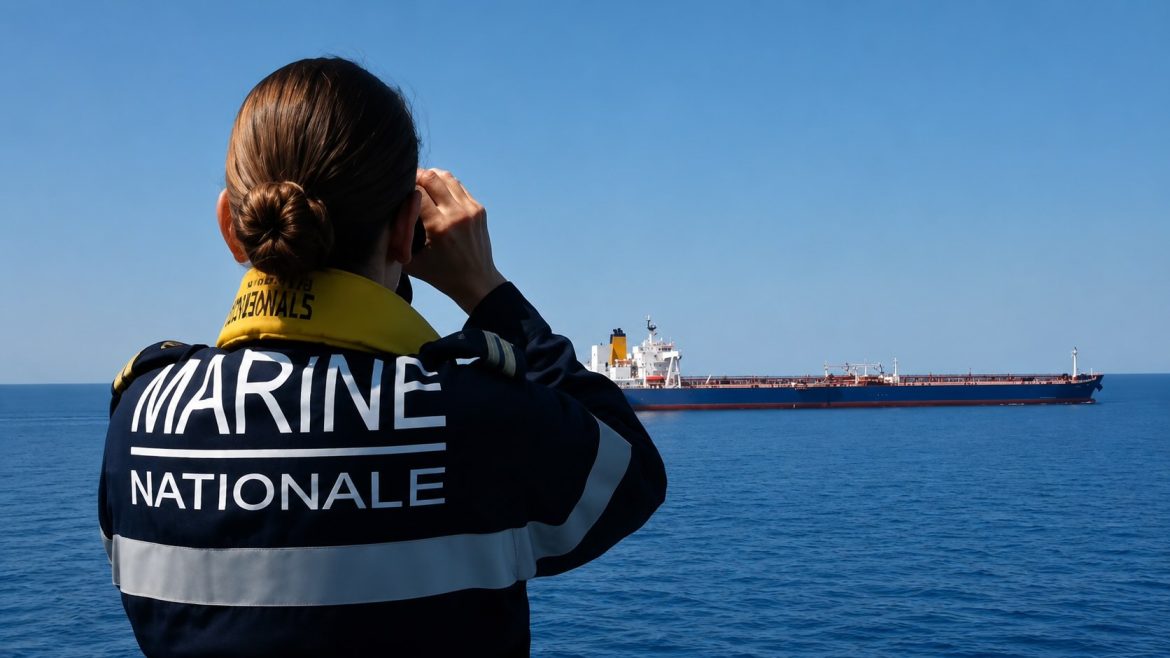
France’s interception of the Russia-linked tanker Deliver off Sicily shows European sanctions enforcement becoming an operational naval task along the route connecting Russian oil terminals to the Suez Canal and Asian markets.
France has intercepted and diverted the oil tanker Deliver off Sicily in its latest operation against vessels suspected of carrying Russian energy outside Western sanctions controls, extending shadow-fleet enforcement deeper into the Mediterranean.
The French navy boarded the Cameroon-flagged vessel after it sailed from Primorsk, one of Russia’s main Baltic oil terminals, and headed towards the Suez Canal on a route reportedly ending in Singapore. President Emmanuel Macron said the ship was operating in violation of maritime law and described it as part of the network used to finance Russia’s war against Ukraine. The operation was France’s fifth interception of a suspected shadow-fleet tanker in recent months.
The action matters because it moves sanctions enforcement beyond listing companies and denying port services. Naval personnel are now identifying, boarding and diverting vessels on major commercial routes, making maritime law, intelligence and escalation management part of Europe’s economic pressure on Russia.
The Mediterranean route
Russia’s shadow fleet is composed largely of older tankers operating through opaque ownership structures, changing flags and complex insurance arrangements. The vessels allow Russian oil to reach buyers while reducing exposure to Western shipping services and the price-cap system.
Primorsk is central to that trade. A tanker leaving the Baltic must pass through narrow and heavily monitored European waters before entering the Atlantic or Mediterranean. The route towards Suez then connects Russian exports to markets in Asia.
Interception near Sicily therefore has strategic significance. It shows that enforcement is not confined to the Baltic, North Sea or English Channel. A vessel may clear one jurisdiction and still face scrutiny thousands of kilometres later, particularly if authorities identify irregular registration, false-flag activity or another basis for intervention under international law.
Reporting on the seizure said the Deliver was heading towards Singapore when it was stopped and that European states have seized nine suspected shadow-fleet tankers since the beginning of 2026. The growing number suggests an emerging pattern rather than isolated national operations.
Sanctions do not provide automatic boarding rights
The legal distinction between sanctioning a vessel and boarding it at sea is crucial. An EU listing can restrict port access, financing, insurance and services, but it does not create a universal right for any navy to seize the ship in international waters.
Authorities therefore focus on additional grounds, including suspected false registration, statelessness, safety deficiencies, failure to comply with lawful instructions or breaches within national jurisdiction. Flag verification is especially important because shadow-fleet vessels frequently change registries or claim flags that the named state does not recognise.
That legal complexity explains why enforcement has been uneven. A coastal state needs timely intelligence, available naval or coastguard assets, prosecutors prepared to support the operation and a defensible jurisdictional basis. It must also decide what happens after a vessel is diverted: detention, investigation, fines, confiscation or release.
France’s previous operations show that outcomes can vary. Some ships have been held while ownership and registration were examined; others have been released after financial penalties. The immediate boarding attracts attention, but the deterrent effect depends on whether operators face a predictable cost.
From policing to maritime security
The operational environment is becoming more demanding. Russia has criticised seizures and threatened responses, while Russian naval escorts have appeared alongside sanctioned shipping. Defence Matters previously examined how a Russian warship escort through the Channel tested Britain’s enforcement policy and how the subsequent UK interception of a sanctioned tanker turned legal authority into a live military operation.
The Mediterranean case adds distance and force availability to the problem. European navies already conduct surveillance, counter-smuggling, alliance and national tasks. Monitoring large numbers of opaque commercial vessels requires maritime patrol aircraft, satellite data, port intelligence and coordination among states along the route.
It also increases the possibility of miscalculation. A disputed instruction, unclear flag status or nearby Russian military vessel could transform a law-enforcement operation into a political confrontation. Rules of engagement and communication channels must therefore be clear before a boarding team approaches.
The economic objective
The purpose of these operations is not to stop every Russian oil shipment at sea. That would be legally and operationally unrealistic. The objective is to raise the cost and uncertainty of sanctions evasion.
If ships cannot rely on a claimed flag, if owners face detention and if cargoes risk lengthy delay, traders and service providers demand higher premiums. Ageing vessels also create environmental risk, particularly when insurance or maintenance arrangements are weak. Enforcement can therefore combine pressure on Russian revenue with protection of European waters.
For the approach to be credible, however, states need common evidential standards and a clearer process for sharing information. Otherwise operators will route vessels through the jurisdictions least willing or able to intervene.
The seizure of Deliver does not close Russia’s maritime export system. It does show that Europe is becoming more willing to act against the ships themselves. As that policy moves into the Mediterranean, shadow-fleet enforcement is no longer only a sanctions portfolio. It is becoming a standing naval and coastguard mission along one of the world’s busiest energy corridors.
Risk in European Waters: The Shadow Fleet, Sanctions Evasion and Safety Gaps
First published on defencematters.eu.

