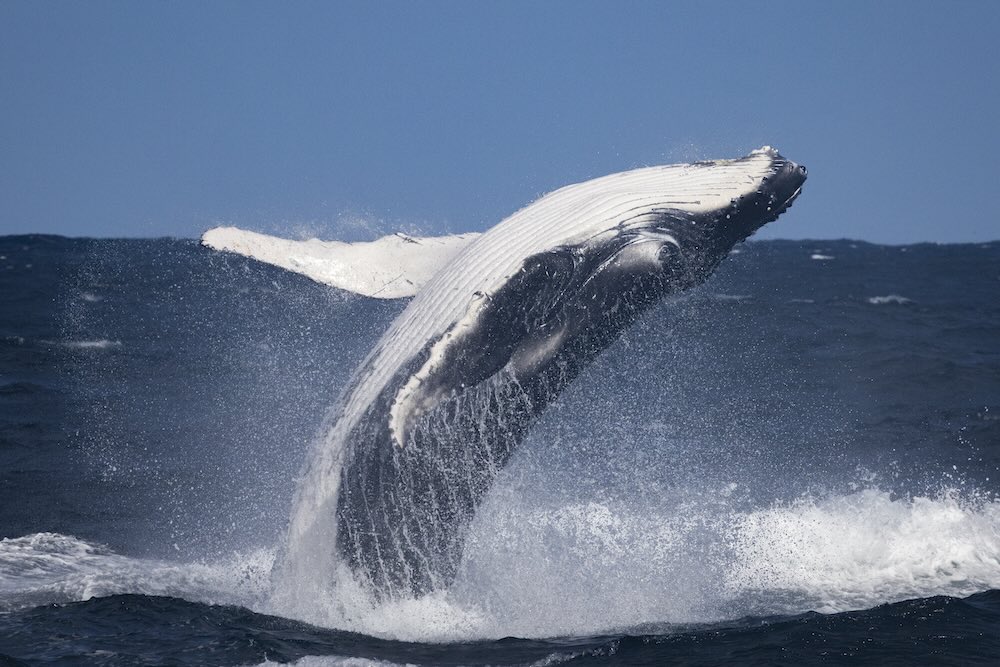
The High Seas Treaty, formally known as the Agreement on Biodiversity Beyond National Jurisdiction (BBNJ), enters into force on 17 January 2026.
The European Union and its member states are celebrating this milestone, which follows decades of negotiation and diplomacy. The treaty provides a framework for the common governance of about half of the planet’s surface and 95 % of the ocean’s volume.
By establishing marine protected areas, regulating the exploitation of marine genetic resources, assessing environmental impacts of human activities and supporting developing countries through capacity‑building and technology transfer, the agreement aims to safeguard marine biodiversity and the benefits it provides.
The agreement has been ratified by 81 parties and signed by 145 countries. Crucially, the EU and sixteen of its member states are among the ratifying countries. As co‑chair of the High Ambition Coalition for BBNJ, the EU played a pivotal role in steering the negotiations to a successful conclusion.
The 2023 adoption of the treaty was hailed as a triumph of multilateralism, and on 19 September 2025, two years after adoption, the agreement reached the 60‑ratification threshold for entry into force. Under the terms of the treaty, entry into force occurs 120 days after the threshold is met, giving rise to today’s landmark moment.
The EU’s involvement extends beyond diplomacy. Preparatory discussions are under way for the first Conference of the Parties, which is scheduled to take place within a year. Through the €40 million EU Global Ocean Programme, launched at the third UN Ocean Conference, the EU has already established a €10 million technical assistance facility to help developing countries implement the treaty. The Union is also contributing to the initial work of the BBNJ Secretariat hosted by the UN Division for Ocean Affairs and the Law of the Sea.
Areas beyond national jurisdiction comprise the high seas and the seabed beyond national waters. These areas are rich in biodiversity and support ecological, economic and food‑security benefits. Yet they are under pressure from pollution, over‑exploitation and climate change. The High Seas Treaty addresses these challenges and aims to increase coherence among the many organisations involved in ocean governance.
Today’s entry into force marks the beginning of a new chapter. The EU and its partners now face the challenge of translating the treaty’s provisions into concrete measures. Marine protected areas will need to be designated, management plans devised and enforcement mechanisms agreed. There will also be debates about how to share benefits derived from marine genetic resources and how to finance capacity‑building for developing states. While those discussions will be complex, the treaty offers a legal framework within which they can take place.
The treaty’s importance is underscored by recent evidence of climate‑related vulnerability. EU Today reported last year that a heatwave across western Europe led to more than 2,300 deaths and was accompanied by record temperatures. Scientists warned that Europe is warming faster than the global average and that more intense extremes will be unavoidable without emissions reductions. Marine ecosystems face similar pressures; heatwaves, acidification and over‑fishing are altering habitats and threatening species. By establishing mechanisms for environmental assessments and by creating marine protected areas, the BBNJ treaty aims to build resilience in the face of these trends.