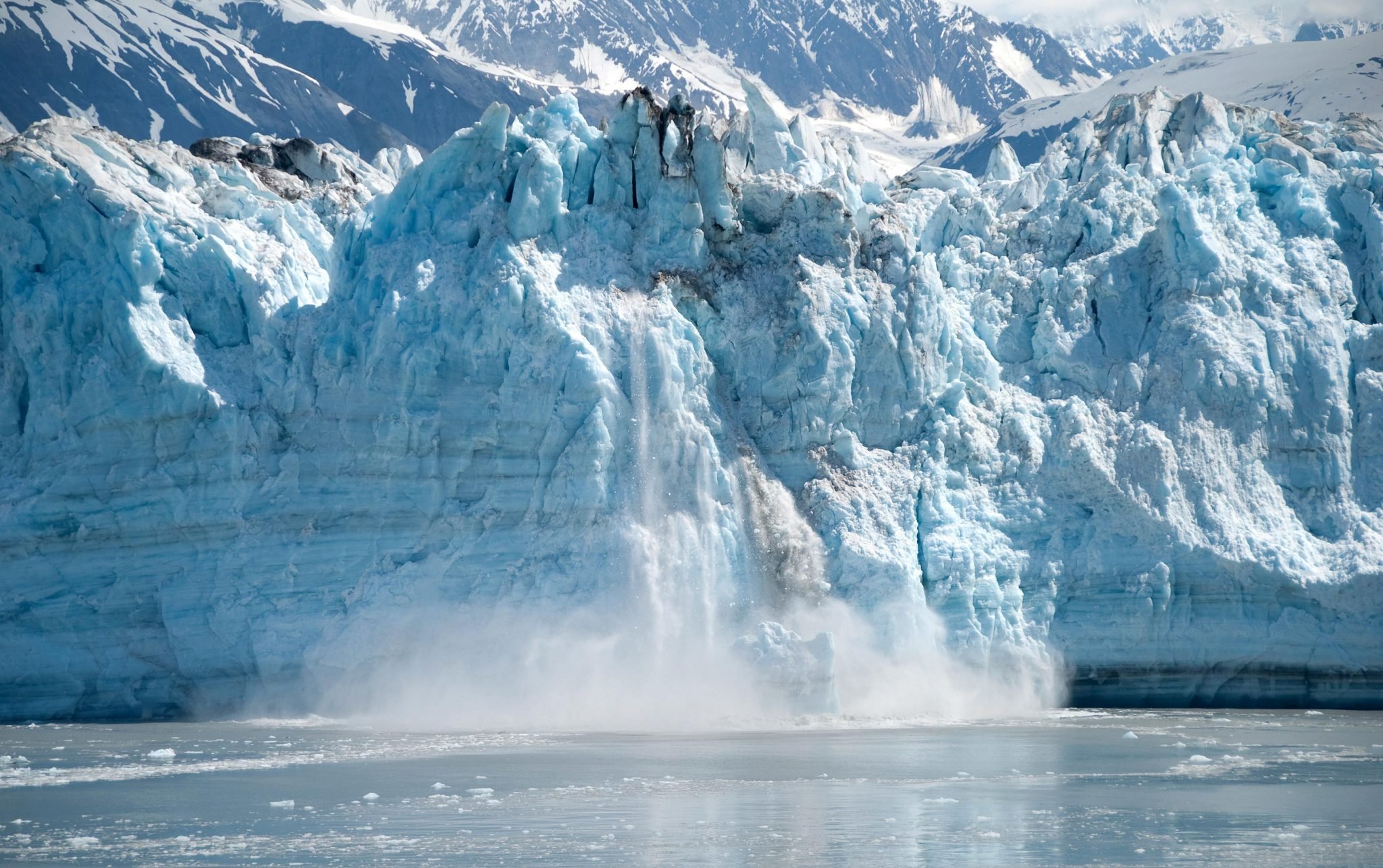
Glaciers worldwide are retreating at an alarming pace due to rising global temperatures, but the rate of ice loss in the European Alps surpasses that of many other regions. Scientific studies indicate that the glaciers in the Alps are shrinking at an unprecedented speed, driven by a combination of climate change, reduced snowfall, and extreme heatwaves.
Alarming Trends in the Alps
Recent research has shown that glaciers in the Alps have lost around half of their ice volume since the early 20th century. In the past few decades, the rate of melting has accelerated significantly. A study conducted by the Swiss Federal Institute for Forest, Snow and Landscape Research (WSL) and ETH Zurich found that between 2000 and 2023, Alpine glaciers lost nearly 30% of their ice mass.
The summer of 2022 was particularly catastrophic for Alpine glaciers, with record-breaking heat and low snowfall levels from the previous winter exacerbating the situation. Scientists recorded the highest-ever rate of ice loss in a single year, with some glaciers thinning by several metres. The summer of 2023 continued the trend, with further ice retreat observed across key glaciers in Switzerland, Austria, France, and Italy.
Causes of Rapid Melting
The primary driver of glacier loss in the Alps is rising global temperatures, which have increased by nearly 2°C since pre-industrial times. The Alps are warming at approximately twice the global average, causing more frequent and intense heatwaves. This warming not only accelerates melting but also reduces the accumulation of fresh snow, which is crucial for maintaining glacier mass.
Moreover, extreme weather events, such as prolonged droughts and reduced winter precipitation, contribute to the decline. Snowfall acts as a protective layer, reflecting sunlight and insulating glaciers from rapid melting. When snowfall is insufficient, ice is exposed to direct solar radiation, leading to faster degradation.
Another factor is the presence of soot and dust, which darken glacier surfaces, reducing their reflectivity and increasing heat absorption. This phenomenon, known as the albedo effect, further accelerates ice loss.
Impact on the Environment and Economy
The consequences of glacier retreat are profound. Alpine glaciers serve as crucial freshwater reservoirs, feeding major rivers such as the Rhine, Danube, and Po. Their decline threatens water availability for millions of people in Europe, particularly during dry summers when glacial meltwater helps sustain river flows.
Hydroelectric power generation is also at risk. Many European countries rely on glacial-fed rivers for renewable energy, and reduced water supply could impact electricity production.
Additionally, tourism is affected. Alpine resorts that depend on glaciers for skiing and other winter sports are witnessing shorter seasons and deteriorating conditions, threatening the economic stability of mountain communities.
Glacier melting also increases the risk of natural disasters. As ice retreats, unstable rock formations and moraine dams left behind can cause landslides, avalanches, and glacial lake outburst floods. These events pose significant threats to settlements and infrastructure in mountainous regions.
Global Context: A Widespread Issue
While the Alps are experiencing one of the fastest rates of glacier loss, other regions are also seeing dramatic ice decline. The Himalayas, Andes, and Rocky Mountains are all undergoing significant glacial retreat, with consequences for water supply and regional climates. The melting of polar ice sheets in Greenland and Antarctica further contributes to rising sea levels, amplifying global climate concerns.
Mitigation and Adaptation Efforts
Efforts to slow glacier loss focus primarily on reducing greenhouse gas emissions to mitigate climate change. The European Union and other global actors have pledged to cut carbon emissions and transition to renewable energy sources, but current policies may not be sufficient to reverse the trend in the short term.
In some areas, localised solutions are being explored. For example, protective coverings such as geotextile blankets have been used to shield parts of glaciers from melting, with limited but measurable success. Researchers are also studying artificial snow production and controlled water management to sustain glacial mass.
However, most experts agree that unless global emissions are drastically reduced, the decline of Alpine glaciers will continue. Current projections suggest that, under a high-emissions scenario, most Alpine glaciers could disappear by the end of the century.
Read also:
Greenland Steps Closer to Independence as Egede Hints at Referendum