Unveiled on 16 July, the European Commission’s €2 trillion budget proposal for 2028–2034 has sparked sharp divisions across the bloc. At the budget’s core lies a €450 billion Competitiveness Fund and a marked shift in spending priorities – reducing the weight of traditional pillars like agriculture and regional aid in favour of defence and innovation.
While France has welcomed the budgetary boost as a necessary step forward, fellow heavyweight Germany has denounced its scale as “unacceptable” in tight fiscal times, with fellow frugals including Austria and Finland equally joining the opposition camp. Beyond the significant spending increase, the EU executive’s proposal has also triggered pushback over its idea to introduce new EU-level taxes.
Arguably the most controversial of these proposed ‘own resources’ to finance the EU budget is new tobacco taxation, with Sweden the most vocally-opposed to this crucial, long-delayed measure to tackle tobacco use while generating significant fiscal gains. Looking ahead, the Commission and like-minded member-states must push forward with tobacco taxes, alongside complementary tobacco control reform, to fund its long-term agenda while curbing the tobacco industry’s harmful policy influence.
Launching battle on tobacco tax hikes
With €650 billion in COVID recovery loans set for repayment starting in 2028, the European Union urgently needs new sources of revenue beyond traditional gross national income-based contributions – which already account for over half the current budget. As discussions on the next long-term financial framework intensify, one of the most politically-charged proposals emerging in Brussels is tobacco taxation.
Although not yet officially confirmed by the European Commission, a new Tobacco Excise Duty Own Resource (TEDOR) appears to be under serious consideration, with a reference to the EU executive’s exploration of this idea included in a July report from Germany’s International Affairs Liaison Office in Brussels submitted to the German Bundestag. The proposed EU-wide tobacco tax reflects and reinforces mounting pressure from within the bloc, with 15 member-states recently pressing the Commission for higher excise duties on tobacco products.
As Euractiv reported in June, the Commission is mulling a sweeping 139% percent increase in cigarette taxation, alongside significantly higher levies on alternative nicotine products like e-cigarettes, heated tobacco and nicotine pouches – major “regulatory blind spots” for the EU – as part of the recently-launched Tobacco Excise Tax Directive (TED) review. Capturing the view of a sizable dissenting group, Swedish Finance Minister Elisabeth Svantesson has sharply rejected the idea of using revenue from higher tobacco taxes to finance the EU’s next long-term budget, calling the proposal “completely unacceptable.”
Big Tobacco pulling strings in EU capitals
In adopting this position, Stockholm now aligns with Italy, Greece, Romania and Bulgaria – the most vocal critics of the TED overhaul – with Svantesson lamenting that snus would face “a very significant tax increase,” despite Sweden promoting the product to reduce smoking. But the EU’s goal is not just a ‘smoke-free,’ but a ‘tobacco-free’ future – an essential ambition for meaningfully reducing cancer and other tobacco-related diseases.
This ‘tobacco-free’ distinction is crucial, as Big Tobacco’s cynical influence can be found behind certain EU member-states’ resistance to tobacco tax reform. Indeed, the aforementioned group of countries has been prominently criticised in a Le Monde op-ed on 2 July penned by French NGO, ACT-Alliance Against Tobacco along with nine European anti-smoking and anti-lobbying organisations.
This missive notably warns that “some EU member-states are using their political influence to defend the interests of the industry,” citing efforts by countries such as Romania, Hungary, Greece, Italy and Sweden to hinder stricter national regulations on nicotine pouches proposed by France, Spain and Belgium over the past two years. What do these obstructionist countries have in common? Significant recent investment by the tobacco industry.
Indeed, Philip Morris International (PMI) has poured €1 billion into a new factory in Bologna and nearly €700 million into a facility in Greece since 2017. What’s more, British American Tobacco (BAT) committed €500 million to an “innovation hub” in Trieste in 2023, while Romania and Hungary have each received billions in tobacco industry funding.
Fighting back against illicit tobacco trade
As the ACT has stressed, certain EU member states are not only undercutting national-level efforts to regulate new tobacco and nicotine products, but actively delaying vital EU-wide reforms for the anti-tobacco agenda. This obstruction is directly tied to the long-stalled revision of the Tobacco Excise Directive (TED) and the Tobacco Products Directive (TPD), with the latter still paralysed under pressure from industry influence and institutional inertia in Brussels.
Encouragingly, civil society pressure has been growing for an ambitious revision of the EU’s tobacco control regulations. Last year, the ACT, alongside other leading tobacco control actors like the Smoke-Free Partnership, contributed to an MEP-led White Paper highlighting the extent to which Big Tobacco has infiltrated EU policymaking. According to its findings, the tobacco industry’s manipulation has gravely undermined the EU’s efforts to tackle the illicit tobacco trade, which is highly lucrative to the industry yet devastating to the bloc’s public health and tax revenue generation.
The White Paper makes clear that the Commission has fallen short of its obligations under the World Health Organization’s Framework Convention on Tobacco Control, with its most glaring failure lying in the implementation of a tobacco traceability system that relies on Big Tobacco-linked operators. Although the PMI-developed Codentify system has been widely condemned by public health experts for breaching WHO rules on industry independence, its core technology continues to operate in the EU – rebadged and routed through a web of private intermediaries that conceal its true origins.
Inexto, a Swiss company playing a key role in the EU’s traceability system, draws over 70% of its revenue from tobacco companies – well above the limits recommended by WHO guidelines for industry independence. Several of its senior executives, including former CEO Philippe Chatelain, were also directly involved in developing Codentify while at PMI. Furthermore, Dentsu Tracking, a major contractor in the EU’s system, is also tied to Codentify’s origins through its acquisition of Blue Infinity – one of the technology’s original co-developer.
Time to close the tax gap
Crucially, these Big Tobacco connections continue to compromise the EU’s failed traceability system, contributing to massive tax revenue losses. Combined with gaps from weak or inconsistent taxation in countries like Greece, Bulgaria and Romania, as well as the EU’s regulatory gaps on alternative nicotine products, the bloc-wide fiscal impact is immense.
In a major step to address this challenge, the Commission adopted a proposal for the TED revision on 16 July, notably citing illicit trade as a core priority. Crucially, the DG for Taxation and Customs Union has implicitly acknowledged the failure of the bloc’s traceability system, highlighting the €13 billion in lost tax revenue each year due to the ineffective control of illicit tobacco.
As EU leaders debate how to fund the bloc’s next chapter, they must not shy away from measures that deliver both fiscal and public health returns. EU-level tobacco taxation and independent, WHO-aligned traceability both constitute long-underused levers to reduce preventable disease, ease pressure on health systems and finance Europe’s strategic ambitions. Moving forward, Brussels cannot afford to be swayed by Big Tobacco pressure or short-sighted member-states placing immediate economic gains over the health of its citizens.
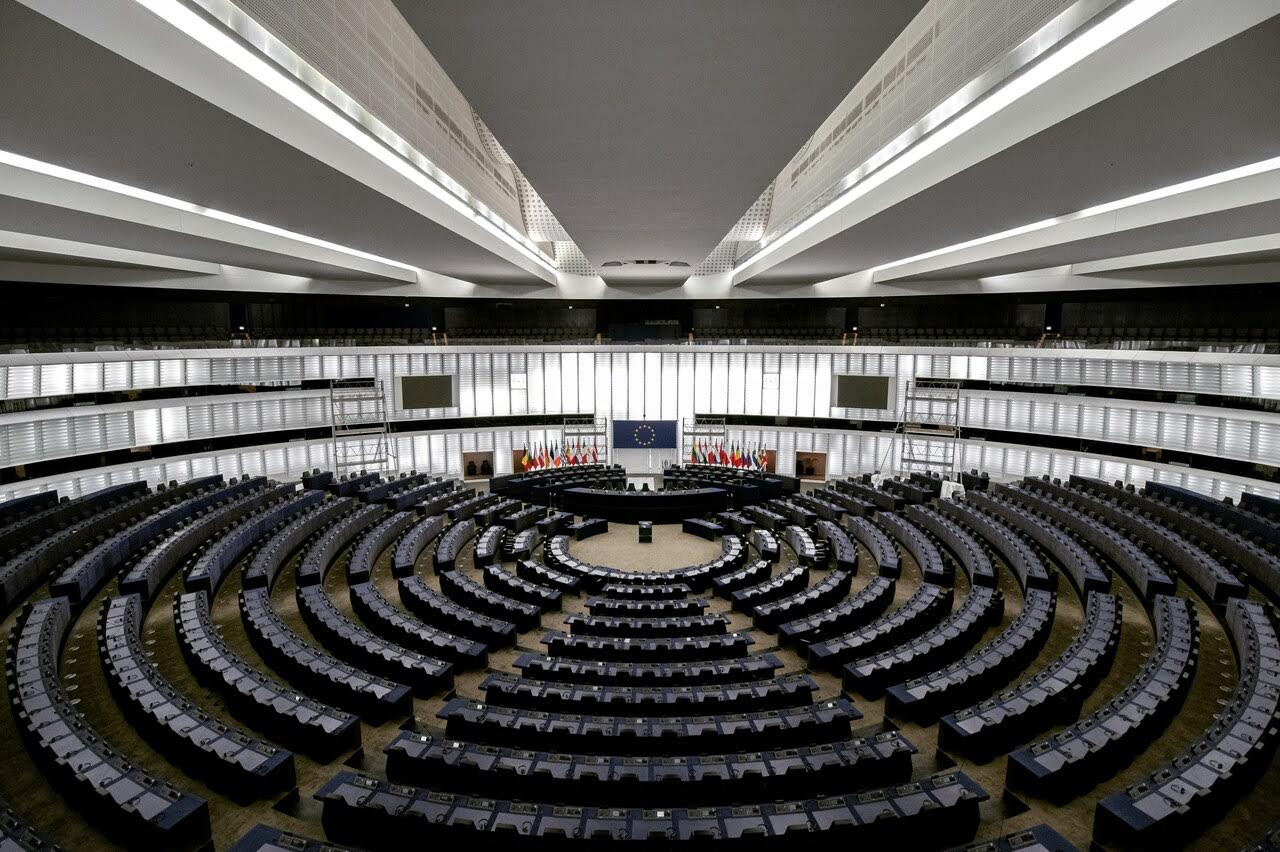
Photo by Frederic Köberl on Unsplash
Click here for more News & Current Affairs at EU Today