French investigators have begun the painstaking task of determining what caused a skydiving aircraft to plunge to the ground shortly after take-off, killing all 11 people on board and leaving a community in northeastern France struggling to comprehend the scale of the tragedy.
The crash occurred this morning near the town of Tomblaine, close to the city of Nancy, when a plane operated in connection with a parachuting school came down only minutes after departure. Officials confirmed that there were no survivors. The dead included the pilot and ten occupants associated with a skydiving excursion.
Emergency services quickly sealed off the crash site, where debris was scattered near a commercial area. Remarkably, despite the aircraft falling close to populated surroundings, no injuries were reported among people on the ground.
The accident has drawn national attention, prompting senior officials to travel to the scene as authorities seek answers. Investigators have yet to indicate whether mechanical failure, pilot error, weather conditions or another factor may have contributed to the disaster. At present, officials stress that it would be premature to speculate on the cause.
According to local reports, the passengers included a group taking part in what was intended to be an introductory skydiving experience. Several French media outlets reported that some of those on board were self-employed nurses participating in a recreational outing, accompanied by experienced instructors and the pilot.
Witnesses described a scene of confusion and shock as emergency crews converged on the area. The aircraft is reported to have come down shortly after leaving the nearby Nancy airfield, ending what should have been a routine flight used to carry skydivers to jumping altitude.
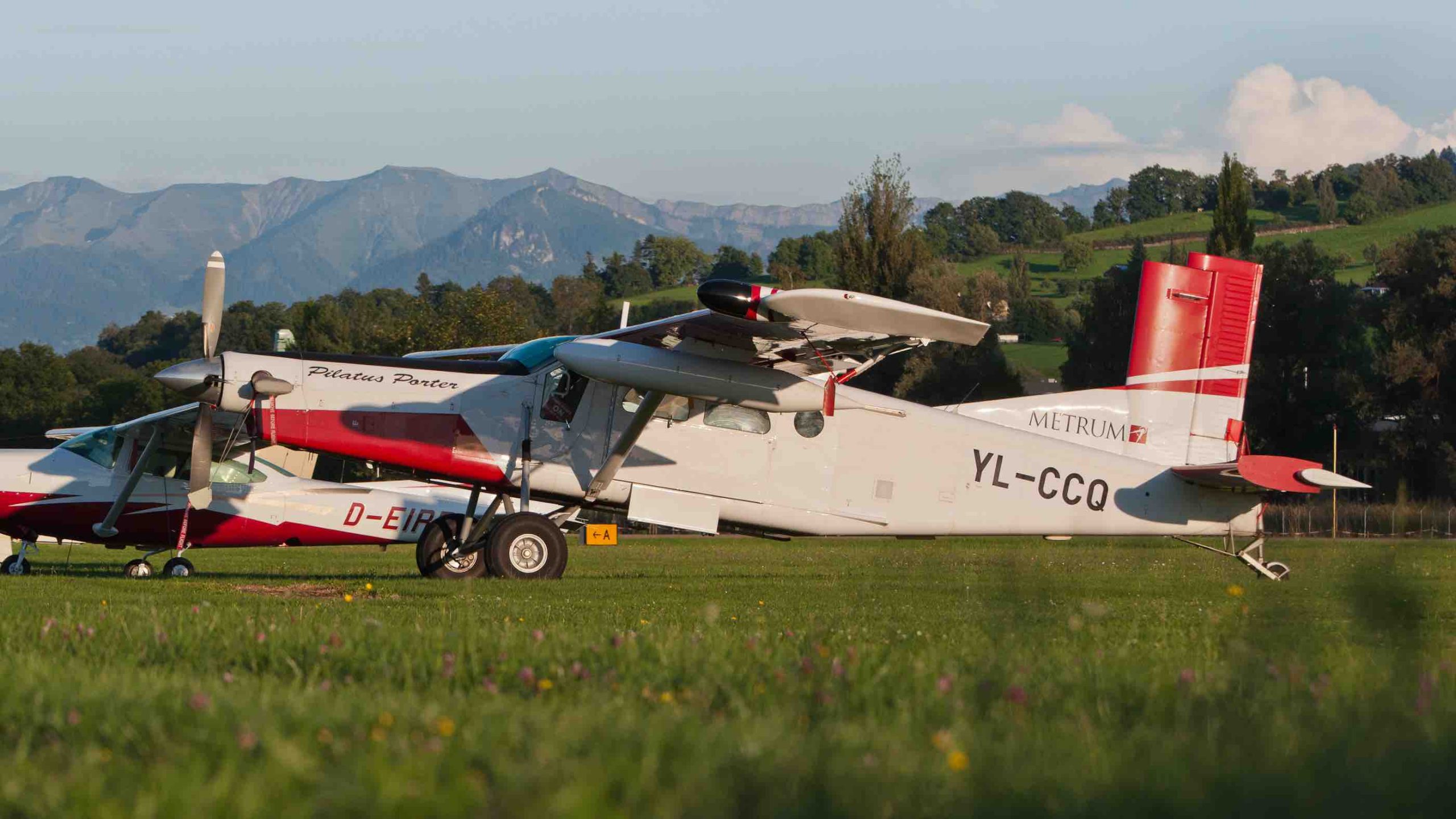
The aircraft involved was reportedly a Pilatus plane, a type widely used by parachuting operators because of its ability to climb rapidly while carrying multiple jumpers. Such aircraft have earned a reputation for reliability and are common fixtures at skydiving centres across Europe and North America.
Yet even in an industry with a strong safety culture, accidents involving skydiving aircraft can be particularly devastating because planes are often carrying a full complement of passengers and instructors. While parachuting itself attracts significant public attention, aviation specialists note that the greatest risks frequently arise during take-off and climb-out phases, when aircraft are operating at relatively low altitude and have limited options in the event of a serious malfunction.
For France, the crash represents one of the deadliest aviation incidents of the year and a painful reminder that recreational aviation remains vulnerable to sudden catastrophe. The country’s aviation safety authorities have developed a reputation for thorough investigations, and experts expect the inquiry to focus on maintenance records, pilot qualifications, weather data, air traffic communications and any available flight information recovered from the wreckage.
The investigation is expected to take months before definitive conclusions emerge. In the meantime, attention has shifted to the victims and their families.
Local officials have arranged psychological support services and have appealed for privacy as relatives begin the difficult process of identifying loved ones and coming to terms with the loss. The tragedy has also reverberated through France’s close-knit skydiving community, where instructors, pilots and enthusiasts often know one another across different clubs and training centres.
As investigators search for answers amid the wreckage, the immediate reality is one of grief. What began as a day intended to provide excitement, adventure and perhaps a memorable first jump instead ended in a disaster that has stunned a region and cast a sombre shadow over the French aviation community.
The cause of the crash remains unknown, but the consequences are already painfully clear: eleven lives lost, families devastated and a nation once again confronting the fragile line that can separate routine flight from tragedy.
Main Image: file photo of a Pilatus Porter fitted for parachuting activities: By Julian Herzog, CC BY 4.0, https://commons.wikimedia.org/w/index.php?curid=24992226
__________________________________________________________________________________________________________________
Click here for more News & Current Affairs at EU Today
Click here to check out EU TODAY’S SPORTS PAGE!
___________________________________________________________________________________________________________________