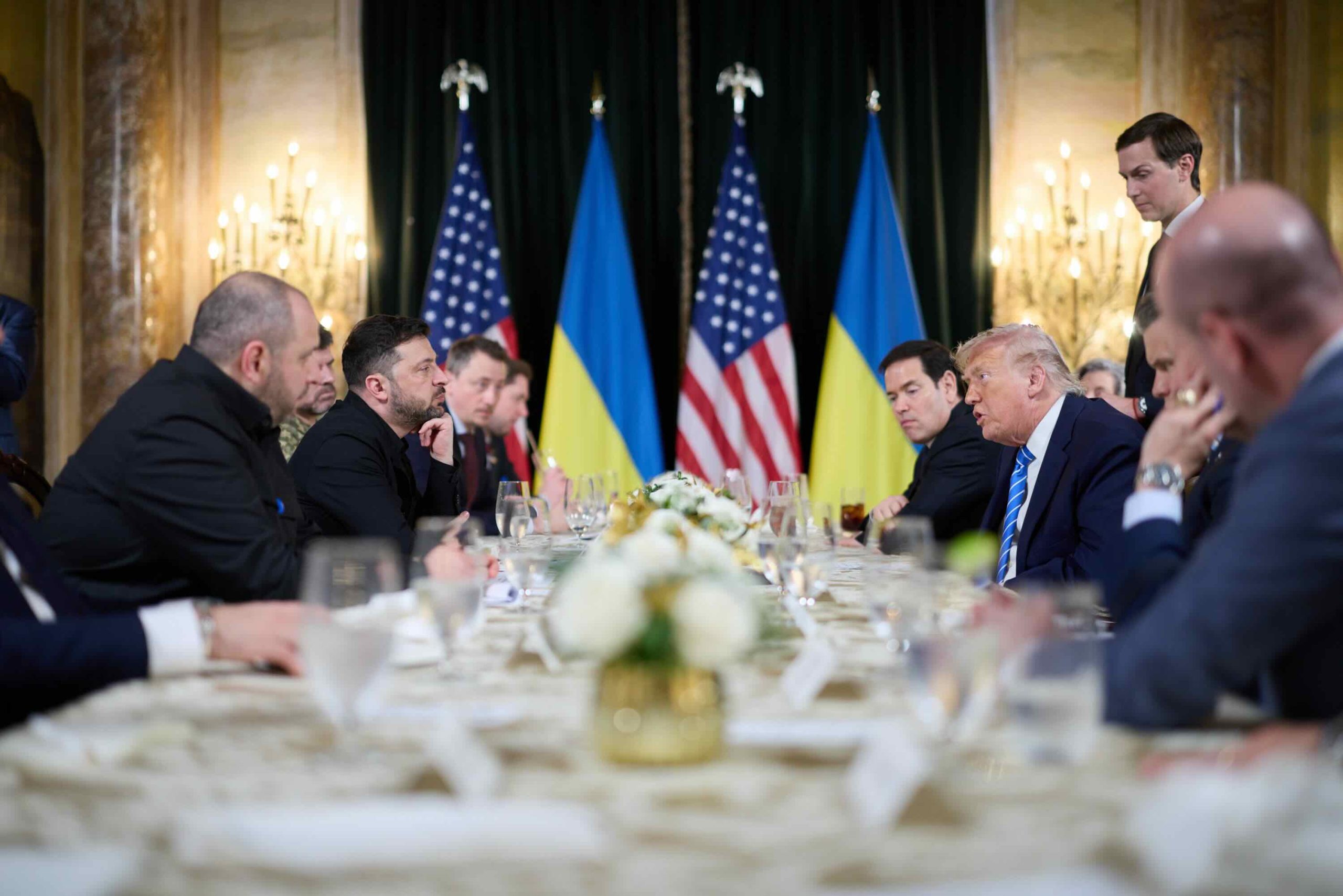
The planned bilateral in Ankara will place the future of the Ukraine war, possible US contact with Vladimir Putin and Europe’s role in any settlement inside a summit already strained by defence spending and transatlantic burden-shifting.
Donald Trump is due to meet Ukrainian President Volodymyr Zelenskyy in Turkey on 8 July, inserting a high-stakes diplomatic track into a NATO summit already dominated by arguments over European defence, American commitment and support for Kyiv.
The White House confirmed that the two presidents will meet on Wednesday to discuss efforts to end Russia’s war. The announced schedule also includes meetings between Trump and Turkish President Recep Tayyip Erdoğan, while a senior US official indicated that contact with Vladimir Putin could follow.
The bilateral matters because it brings negotiation politics into a defence summit. NATO leaders are expected to reaffirm collective defence and consider a large multi-year support commitment for Ukraine. At the same time, Trump is again positioning himself as a potential intermediary between Kyiv and Moscow.
Kyiv needs defence and diplomacy to point in the same direction
Zelenskyy arrives after two major Russian attacks on Kyiv within days. Ukraine will argue that meaningful diplomacy requires greater pressure on Moscow and stronger air defence, not a reduction in support intended to encourage negotiations.
Russia’s military activity shapes the credibility of any peace initiative. A negotiating process conducted while Russian missiles hit Ukrainian cities risks giving Moscow an incentive to increase pressure in the expectation that battlefield pain will produce concessions.
The most difficult territorial issue remains Donbas. Russia continues to demand control over territory it does not fully occupy, while Ukraine rejects the surrender of sovereign land and insists that any settlement must provide enforceable security rather than another pause before renewed war.
Trump’s approach will therefore be watched for sequencing. If Washington seeks Ukrainian concessions before establishing what Russia will accept and how compliance would be guaranteed, European capitals may fear that diplomacy is becoming leverage against Kyiv. If Trump presses Putin after coordinating with Zelenskyy, the meeting could instead strengthen a common position.
Europe is present but not automatically influential
The summit gives European leaders direct access to both presidents, but proximity does not guarantee a role in the diplomatic channel. Europe supplies a growing share of Ukraine’s military and financial support and would bear much of the cost of any post-war security arrangement. Yet Washington and Moscow can still attempt to define the political framework bilaterally.
That creates a persistent imbalance. Europe may finance Ukrainian defence, reconstruction and sanctions enforcement while lacking equal influence over negotiations that determine the continent’s future security order.
The planned €70 billion NATO support package for 2026 is therefore also diplomatic leverage. A well-funded and militarily sustainable Ukraine enters talks differently from a state uncertain whether it can defend its cities or hold the front through the next year.
EU Global recently reported that a prisoner exchange preserved a narrow humanitarian channel without indicating progress towards a ceasefire. The Ankara bilateral is politically larger, but it should be judged by the same discipline: contact is not agreement, and agreement is not enforceable peace.
Trump’s Putin channel creates both opportunity and risk
Trump has offered to help find a settlement in conversations with Putin. Direct contact can clarify whether Moscow is prepared to move beyond maximalist demands. It can also allow the Kremlin to separate Washington from Kyiv and European allies.
The risk is highest if diplomatic momentum is valued more than the substance of a settlement. A declaration of progress can reduce political urgency for military support even while the underlying issues remain unresolved.
Any durable arrangement would need to address the line of control, security guarantees, sanctions, prisoners, displaced people, reconstruction and responsibility for future violations. None can be settled through a single leaders’ meeting.
A bilateral with alliance-wide consequences
The Trump-Zelenskyy encounter will take place inside a summit designed to demonstrate NATO unity. Its outcome could either reinforce that unity or expose competing approaches to the war.
For Kyiv, the objective is to secure continued military support and ensure that diplomacy does not reward aggression. For Trump, the meeting is an opportunity to claim movement towards ending a war he has repeatedly said should be concluded. For European allies, the concern is that a rapid political process could outrun the security architecture needed to sustain it.
The bilateral should not be measured by whether the two leaders describe it as constructive. The meaningful questions are whether Washington and Kyiv agree on the terms of further engagement with Moscow, whether Europe is included and whether NATO’s support commitments remain intact.
Ankara will show whether diplomacy is being built on allied strength or used as a substitute for it.