Sky’s £1.6 billion purchase of ITV’s channels and streaming business would create a powerful British television group, but its estimated share of advertising and influence over public-service broadcasting ensure close scrutiny.
Comcast-owned Sky has agreed to buy ITV’s broadcast channels and streaming service for up to £1.6 billion, creating a combined business expected to control more than 70 per cent of the UK television advertising market.
The transaction covers ITV’s Media and Entertainment division, including its free-to-air channels and ITVX streaming platform. ITV Studios will remain a separate production company. The formal sale announcement sets out £1.2 billion in cash at completion, additional consideration and a possible payment linked to 2027 advertising performance.
The companies present the deal as a way to create a British champion able to compete with Netflix, Amazon, Disney and YouTube. Regulators will examine a different question: whether the answer to global streaming power should be greater concentration in British broadcasting and advertising.
Scale is the commercial case
Traditional broadcasters face audiences divided among streaming platforms, online video and social media. Advertising has followed viewers, while the cost of premium drama, sport and technology has risen.
Combining Sky’s pay-TV, broadband and streaming reach with ITV’s free-to-air audience and ITVX platform would create substantial scale. The enlarged group has committed to spend at least £2.1 billion on content between 2028 and 2032.
Sky argues that this investment will strengthen British programming and allow the group to compete with global technology and entertainment companies whose budgets exceed those of individual national broadcasters.
That argument will carry weight. European media companies have repeatedly warned that fragmented domestic markets leave them vulnerable to US platforms. Yet scale can also reduce competition for advertisers, programme rights and viewers.
The advertising market will draw scrutiny
Analysts estimate that Sky and ITV together would account for more than 70 per cent of UK television advertising. The precise competition assessment will depend on how regulators define the market.
If television advertising is treated separately, the combined position appears especially strong. If online video, social media and digital advertising are included, the share may look less dominant. The decision will shape whether regulators see the deal as consolidation among declining traditional media or the creation of excessive power in a still-distinct market.
Advertisers will be asked whether they retain credible alternatives and whether a combined sales operation could raise prices. Smaller broadcasters may worry that the merged group would have greater leverage over agencies, rights holders and distribution.
Public-service broadcasting adds a political layer
ITV is not simply a streaming brand. It is a public-service broadcaster with regional roots, news obligations and a central place in British cultural life. Any transaction affecting its channels will attract parliamentary and government attention beyond ordinary antitrust review.
The deal leaves ITV Studios independent, while Love Productions would join that production business. This separation creates a new relationship in which ITV’s remaining studio operation would supply programmes to a broadcaster owned by Sky while also competing for commissions elsewhere.
Questions will also arise around news. ITV’s national news service is produced by ITN, an organisation with wider responsibilities in British broadcasting. Regulators and lawmakers will seek assurances about editorial independence, investment and plurality.
The political sensitivity is heightened by the identity of the buyer. Sky is British-based but owned by US group Comcast. Foreign ownership is not automatically problematic, but ministers may examine commitments on jobs, content spending and the long-term future of free-to-air television.
A European competition question in British form
The transaction takes place outside the EU, but it reflects a wider European policy dilemma. Regulators are under pressure to permit larger media and technology groups capable of competing globally, while also protecting plurality and consumer choice.
The same tension appears in telecoms, digital platforms and publishing. A promise of investment and international scale must be tested against measurable effects in national markets.
Sky and ITV have made the industrial case for combination. The regulatory process will decide whether that case outweighs the concentration of advertising, distribution and cultural influence in one group.
The deal may help traditional television compete with global streaming platforms. It may also redraw the boundaries of British public-service broadcasting. That is why scrutiny will extend far beyond the £1.6 billion price.
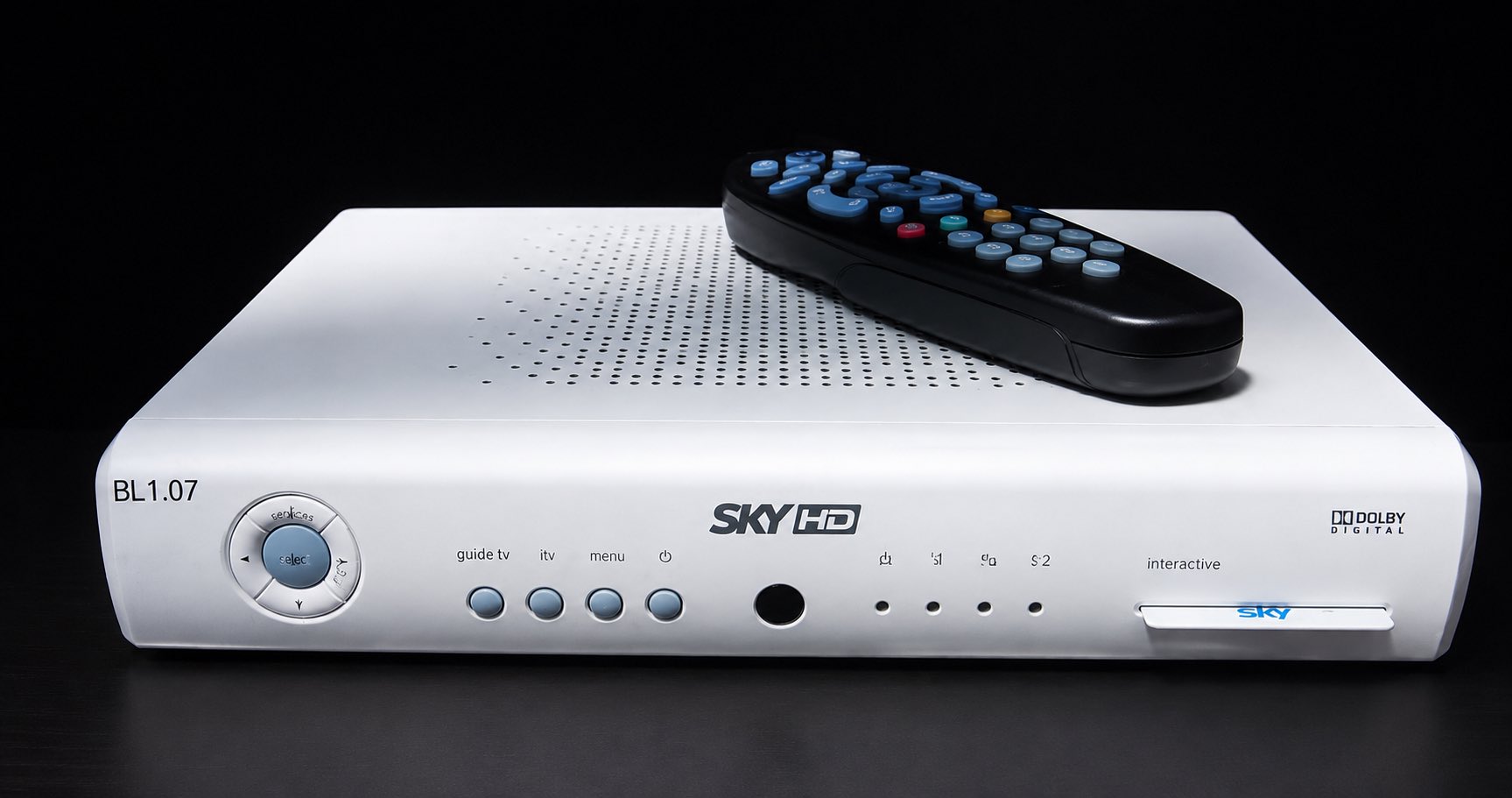
Main Image: By it:Utente:Swap83, De and En translation by User:Andreas -horn- Hornig – it:Utente:Swap83, Public Domain, https://commons.wikimedia.org/w/index.php?curid=1259803
__________________________________________________________________________________________________________________
Click here for more News & Current Affairs at EU Today
Click here to check out EU TODAY’S SPORTS PAGE!
___________________________________________________________________________________________________________________