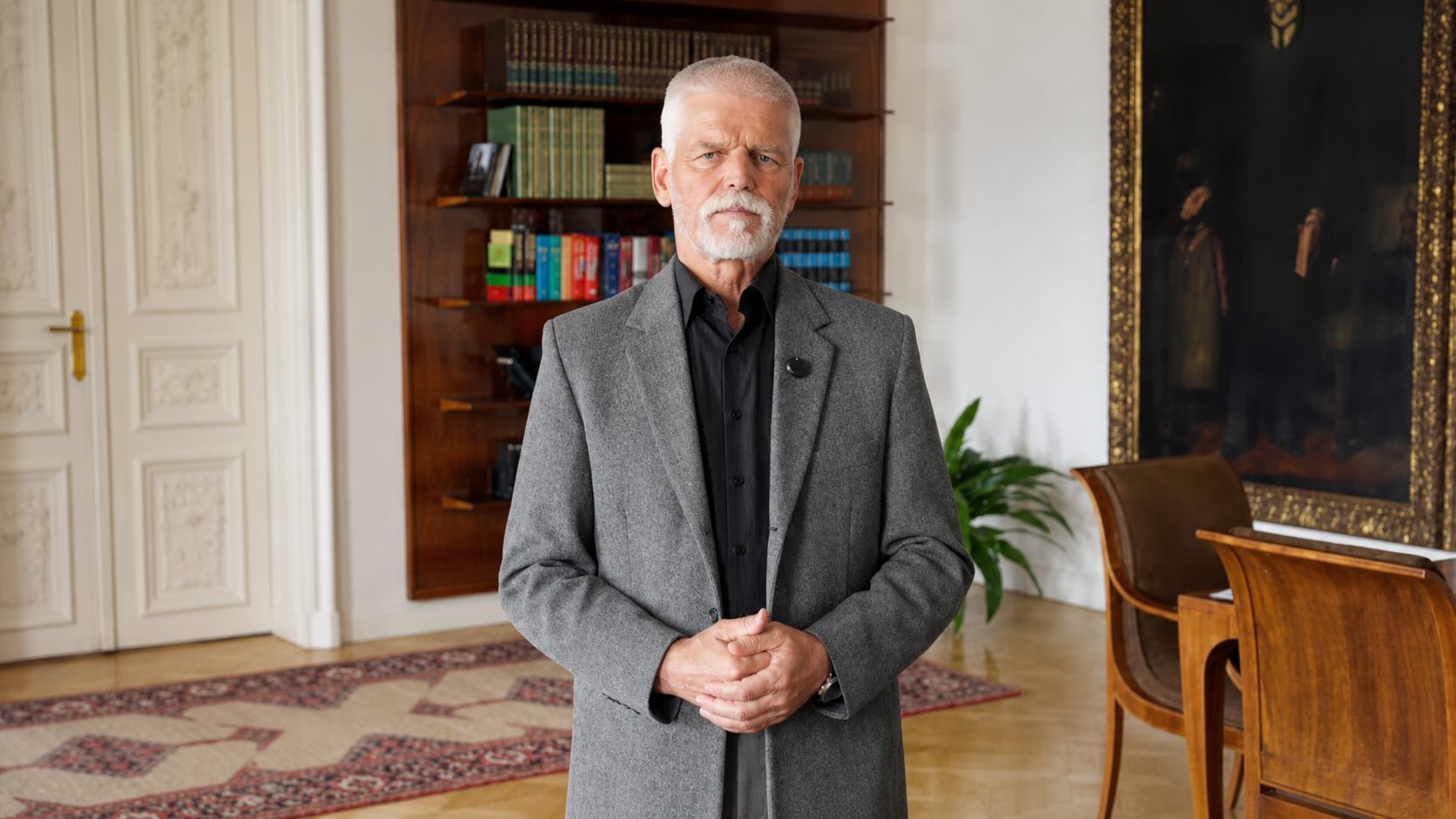
Petr Pavel’s veto turns a fiscal-accounting dispute into a constitutional fight over how far security pressures should stretch national debt rules.
Czech President Petr Pavel has vetoed legislation that would ease national borrowing rules by excluding selected infrastructure and defence expenditure from fiscal calculations. The presidential office said on 22 July that Pavel had returned the bill to the Chamber of Deputies under Article 50 of the constitution. Reuters, carried by MarketScreener, reported that the lower house can still override the veto because Prime Minister Andrej Babis’s government holds a comfortable majority.
The dispute is not simply about whether the Czech state should spend more on roads, railways, nuclear power, dams or defence. It is about whether those spending categories should be moved outside the normal fiscal calculation. Once a government can define certain expenditure as exceptional, the restraint imposed by fiscal rules weakens. That can be justified in an emergency, but it can also become a durable loophole.
Pavel’s veto therefore fits a broader European argument. Governments are under pressure to invest in defence, infrastructure, energy resilience and civil protection. Russia’s war against Ukraine has made security spending harder to postpone. But the same argument can be used to soften borrowing constraints in ways that outlast the emergency. The line between strategic investment and fiscal evasion becomes politically contested.
The Czech case is especially sensitive because Babis already sits at the centre of disputes over public money, business power and institutional checks. Earlier coverage of subsidy scrutiny involving companies linked to Babis showed how questions over public funds can quickly become constitutional and political. The borrowing-rule veto is a different matter, but it raises the same larger issue: whether institutions can constrain a dominant executive when money and power intersect.
The bill would reportedly allow higher expenditure during broadly defined security threats and exclude a long list of major projects from deficit calculations. Supporters can argue that this is realistic. A bridge, railway corridor, nuclear plant or air-defence programme may serve national resilience and require financing that does not fit ordinary annual budget discipline. If fiscal rules are too rigid, they can produce underinvestment in assets that future governments will need.
But Pavel’s concern appears to be that the legislation gives the government too much room to spend without sufficient parliamentary control. That is a serious objection. Fiscal rules are not only technical devices for bond markets. They are democratic constraints. They force governments to disclose trade-offs, justify priorities and accept that debt today limits choices tomorrow.
The president’s veto also tests Czech institutional balance. The government has already pushed the measure through the lower house and overcome Senate resistance. A presidential veto now forces another vote. If the lower house overrides him, the legal path may be clear, but the political message will be that the government is willing to proceed despite objections from both the upper chamber and the head of state.
Markets will watch the substance more than the theatre. The Czech Republic is not in an acute debt crisis, but investors price credibility at the margin. If a country changes fiscal definitions to accommodate spending, bondholders ask whether future rules will also be adjustable. That can matter when deficits approach European thresholds and when interest costs are no longer negligible.
The defence-spending element is particularly awkward. European governments have been urged to spend more on defence, and many are considering exemptions or special funds. Germany has already used special-budget mechanisms for defence and infrastructure. The EU has also debated how to treat defence investment under fiscal surveillance. The Czech bill sits inside that broader trend, but national safeguards still matter.
There is no easy answer. Treating every security investment as ordinary spending may slow necessary projects. Treating every preferred project as security spending empties fiscal rules of meaning. A credible compromise would require narrow definitions, sunset clauses, independent oversight and parliamentary approval for major exceptions. Without those safeguards, emergency language becomes a budgetary shortcut.
For Babis, the veto may be politically useful. He can frame Pavel as obstructing investment in security and infrastructure. For Pavel, the veto allows him to present himself as guardian of long-term fiscal sustainability. The confrontation therefore gives both sides a political identity. The risk is that the underlying technical question becomes a partisan loyalty test rather than a serious debate about state capacity and debt.
The next lower-house vote will decide whether the veto has practical effect. Even if it is overridden, Pavel has clarified the constitutional stakes. Security pressures are real, but they do not automatically justify weakening budget discipline. The Czech debate is a warning to other European governments: the new era of defence and infrastructure spending will require stronger fiscal design, not weaker scrutiny.