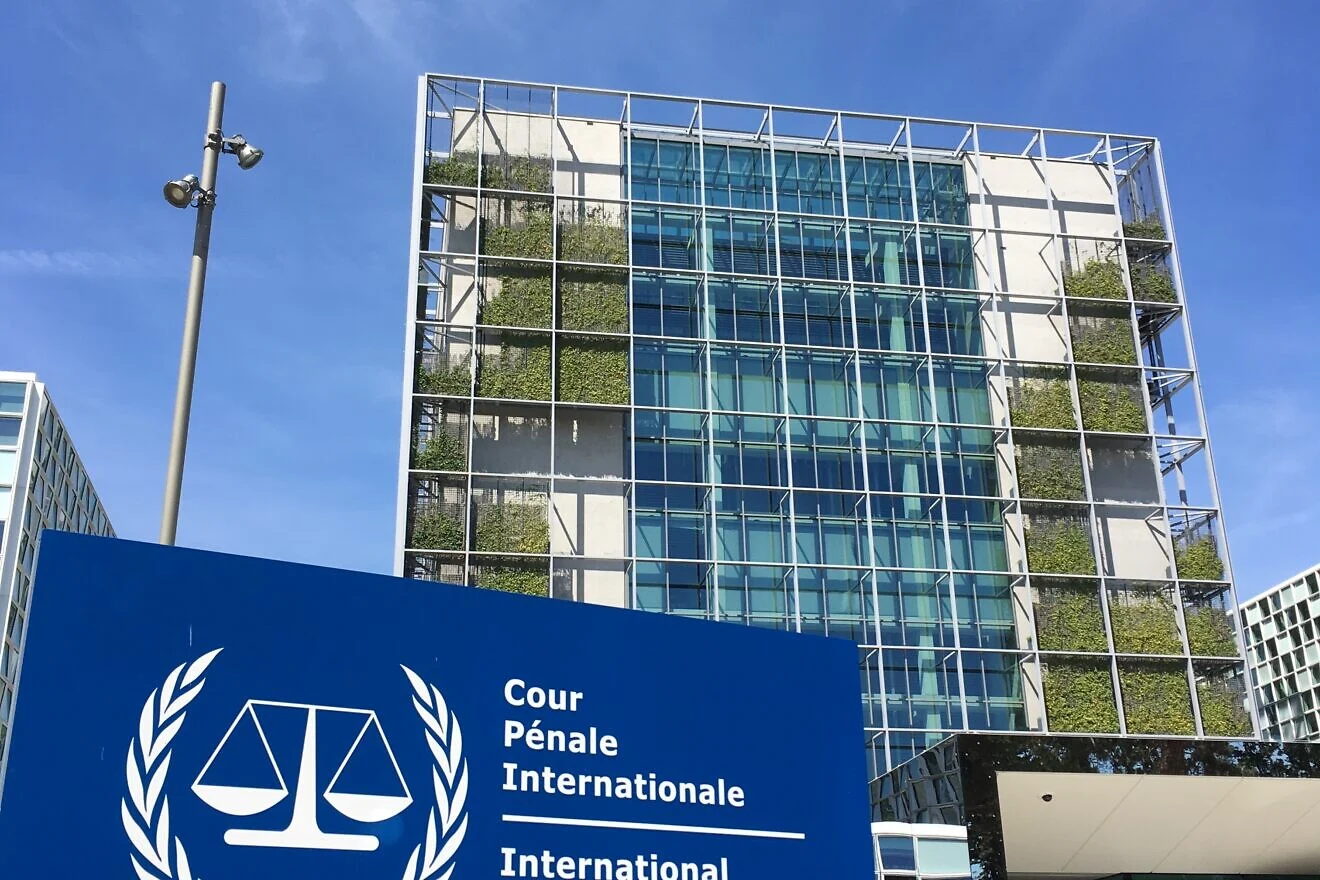
The Court’s member states have removed a chief prosecutor for the first time, creating a management and credibility challenge without extinguishing investigations or judicial arrest warrants.
The Assembly of States Parties to the Rome Statute has removed International Criminal Court Prosecutor Karim Khan after concluding that he committed serious misconduct and a serious breach of duty.
Eighty-two of the Court’s 125 member states voted for removal during a special session at United Nations headquarters in New York. The decision exceeded the absolute majority required under Article 46 of the Rome Statute.
Khan has denied allegations of sexual misconduct and his legal team has said it will challenge the fairness and lawfulness of the process. The Assembly has called for respect for the dignity and privacy of everyone involved.
Those positions must be presented together. Removal is an institutional decision under the Court’s treaty framework; it is not a criminal conviction. A legal challenge may test whether Khan received adequate notice, access to evidence and an opportunity to respond.
The immediate institutional consequence is a vacancy at the top of the Office of the Prosecutor. It does not nullify the ICC’s investigations, cases or arrest warrants.
What Article 46 does
The Rome Statute allows the Assembly of States Parties to remove the Prosecutor when an absolute majority finds serious misconduct, a serious breach of duty or inability to perform required functions.
That power protects judicial independence while providing accountability for elected officials. The Prosecutor cannot be dismissed by a single government or by the Court’s judges because states created a collective process.
The unprecedented nature of the vote means procedure will receive close scrutiny. A misconduct system must protect complainants from retaliation while respecting the elected official’s right to answer allegations. Confidentiality complicates public confidence because member states may see evidence that cannot responsibly be released.
The Assembly should publish the fullest possible procedural account without identifying the complainant or exposing private material. It should explain the legal standard, the stages of review and the basis on which states concluded that removal was justified.
Existing warrants remain
The Prosecutor requests warrants, but judges decide whether to issue, maintain or withdraw them. Khan’s departure therefore does not cancel warrants concerning Ukraine, Gaza or any other situation.
That distinction is especially important because his term became politically associated with warrants for senior Israeli officials and with the Court’s continuing work concerning Russian crimes in Ukraine. Supporters and opponents may attempt to interpret the removal as a verdict on those cases.
It is not. The judicial record must be assessed through filings, evidence and decisions. A personnel crisis in the prosecution office does not give states permission to disregard binding obligations under the Rome Statute.
Deputy prosecutors and professional staff can continue work under the Court’s governing instruments. Yet leadership matters: the office must allocate resources, approve strategy, protect witnesses and cooperate with states.
Choosing a successor
Member states should resist rushing the election merely to close the political crisis. The next prosecutor will inherit a demanding docket, an internally damaged institution and pressure from powerful non-member states.
The selection process needs public criteria, conflict checks and serious examination of management experience. Excellence as a courtroom advocate is not enough. The prosecutor oversees a large international organisation whose decisions affect victims, witnesses and employees.
Candidates should be questioned about workplace culture, disclosure, case prioritisation, relations with states and protection against political interference. Vetting must be rigorous without turning into anonymous character assassination.
Geographic and gender representation matter for legitimacy, but they cannot substitute for competence and integrity. The Assembly should provide a realistic timetable and transparent interim arrangements.
US pressure complicates the transition
EU Global recently examined how the EU defended the ICC against a renewed US pressure campaign. Washington’s sanctions can impede banking, travel, technology services and cooperation with Court officials.
Khan’s removal and external pressure are legally separate. The Court must not use US hostility to minimise internal misconduct, and Washington should not use the disciplinary process to discredit lawful investigations.
European states have responsibilities on both fronts. They should insist on a fair workplace and credible leadership while protecting the Court from coercive measures intended to alter judicial outcomes.
The EU’s blocking and service-continuity tools may need strengthening so that banks and suppliers can lawfully support the institution. Political declarations are insufficient if routine operations become impossible.
Restoring confidence
The Assembly must now protect staff from retaliation, preserve evidence and provide independent channels for future complaints. Managers should not be able to suppress concerns because they involve an elected official.
The Office of the Prosecutor also needs operational continuity. Investigative teams should receive clear delegated authority, and witnesses must know that undertakings made by the institution survive a change of leadership.
Victim communities may reasonably fear delay. The Court should publish case-specific updates where possible, while avoiding promises it cannot meet.
Member states must also provide resources. Demanding faster cases while withholding budget creates incentives for weak investigations and selective justice.
An institutional test
The removal is damaging, but the existence of an accountability mechanism can ultimately strengthen the Court if it was applied fairly. International justice cannot demand responsibility from national leaders while exempting its own senior officials from standards of conduct.
Equally, accountability must not become a route through which political opponents interfere with cases. The best protection is a documented process capable of surviving legal review.
The coming months will determine whether the ICC treats the vote as the end of a scandal or the beginning of reform. It must choose a successor carefully, maintain active cases, protect its staff and resist external coercion.
Khan’s removal changes the leadership of the prosecution. It does not erase the Rome Statute, the authority of the judges or the rights of victims. The institution’s credibility will depend on demonstrating all three points at once.