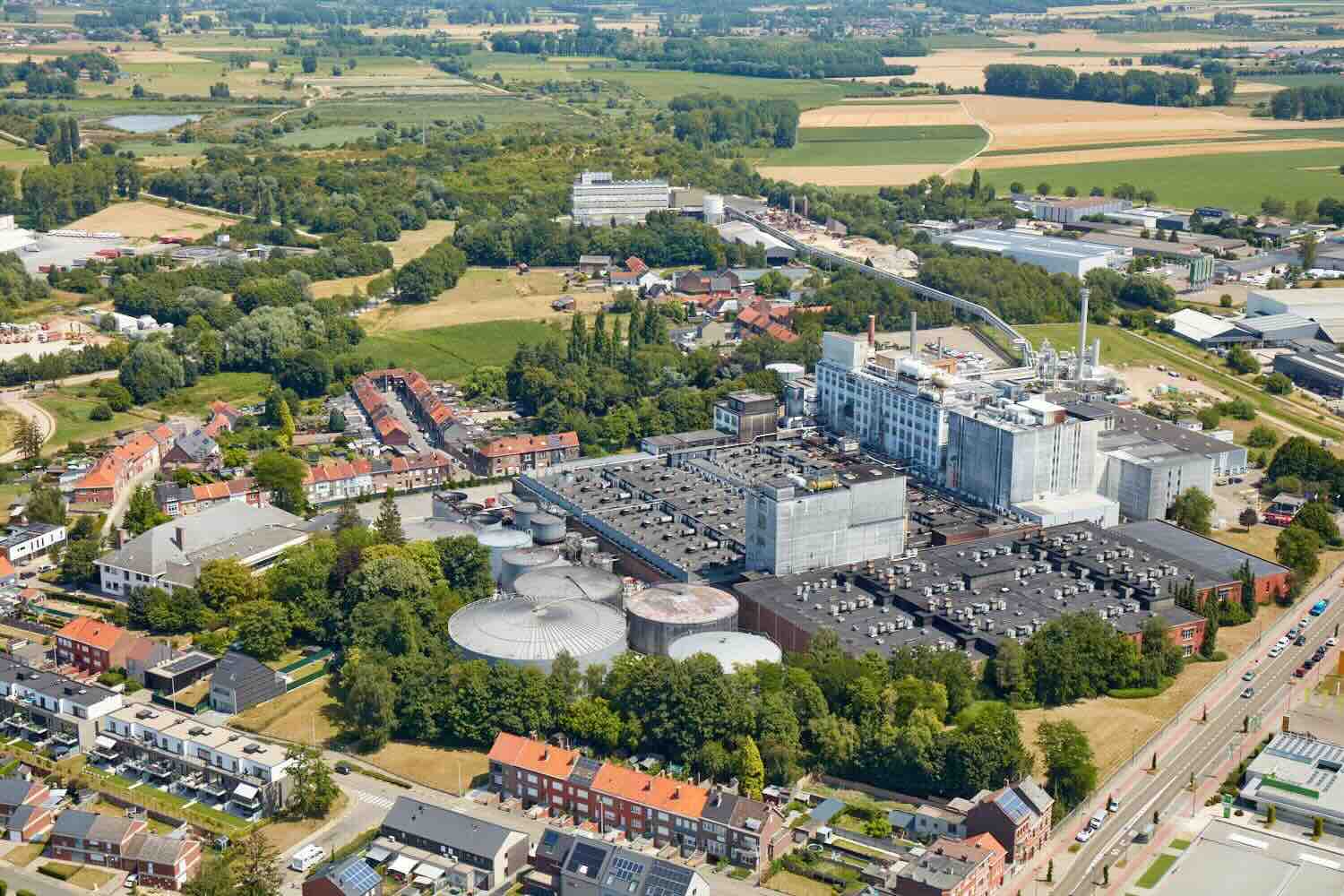
Citribel’s pressure from Chinese citric-acid imports turns an abstract EU trade debate into a factory-level test of whether anti-dumping duties are enough.
Belgian citric-acid producer Citribel has become a case study in Europe’s wider struggle with Chinese industrial overcapacity. The Financial Times reported that Chinese citric acid has been sold at prices 40-50 per cent below European production costs, placing the Tienen plant under growing pressure despite existing EU anti-dumping duties.
Citric acid may sound like a niche product, but it is used across food, pharmaceuticals, detergents, cosmetics and industrial processes. If European production disappears, the continent becomes more dependent on imports for a basic input used by many sectors. That makes the Belgian case more significant than one company’s margins.
Citribel says it produces citric acid through fermentation using sugar beet and other inputs. Its challenge is competing with Chinese producers operating at enormous scale, lower energy costs and, according to European industry claims, state-backed advantages. The FT reported that Chinese production is concentrated in Shandong province and that EU duties remain far below comparable US trade measures.
EU Today has previously covered calls by German manufacturers for broader China trade defences and the Franco-German push for a tougher EU China policy. Citribel provides the factory-level evidence behind those political demands.
The anti-dumping question is whether existing duties offset the injury. If imports still arrive below European production costs, European producers will argue that protection is insufficient. Consumers and downstream users may prefer cheaper inputs, but that can become short-termism if domestic capacity closes and supply becomes concentrated.
The United States has taken a more aggressive line on citric acid, with duties far above the EU level. Europe’s more cautious approach reflects its legal process, internal divisions and concern about retaliation. But the difference creates an uneven industrial environment. A Chinese producer may face one level of barrier in the US and a much lower one in Europe.
The energy-cost problem complicates the case. European chemical producers are not only competing with Chinese subsidies or overcapacity; they are also facing higher gas and electricity costs, stricter environmental rules and weaker demand. Trade defence can address dumping, but it cannot solve every cost disadvantage.
That does not make trade defence irrelevant. If China’s production expansion is structurally beyond market demand and supported by state incentives, European producers face a cycle they cannot survive through efficiency alone. Anti-dumping duties are meant to restore fair pricing, not guarantee profits.
The risk for Europe is dependency creep. One product at a time, basic industrial inputs can move offshore until domestic production is no longer viable. The loss may not be visible until crisis. During a supply shock, governments rediscover that food, pharmaceuticals and industrial chains rely on chemicals once treated as ordinary commodities.
The policy answer may require more than duties. Europe may need faster trade investigations, energy-cost relief for strategic chemical inputs, stronger procurement preference for resilient supply and clearer identification of products where dependency is unacceptable. That is industrial policy, not only trade law.
The Belgian plant’s situation therefore sits at the intersection of competitiveness, green regulation, energy prices and China policy. If Citribel cannot survive despite existing duties, Brussels will face a harder question: whether its trade-defence tools are calibrated for a world of persistent Chinese overcapacity.
The citric-acid case will not decide EU-China relations. But it shows how the conflict is experienced on the ground: not through communiqués, but through a factory comparing its production cost with imported prices it cannot match.
There is also a social dimension. Industrial policy often sounds abstract until it reaches a plant, a town and a workforce. A trade-defence case can keep production viable, but it cannot by itself solve energy-price disadvantages, permitting delays or investment uncertainty. That is why the outcome will be read alongside the EU’s wider competitiveness debate. If Brussels imposes duties but leaves structural costs untouched, European producers may still struggle. If it treats the case as part of a larger effort to keep essential chemical capacity onshore, Citribel could become a modest but telling example of how trade tools and industrial policy have to work together.