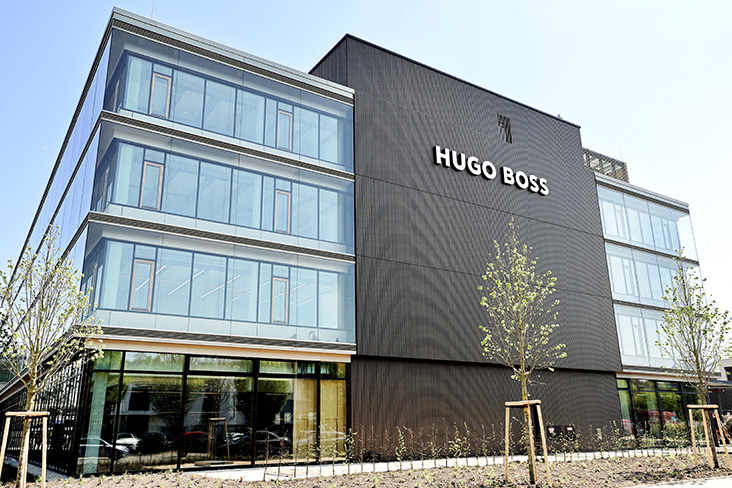
Frasers’ move above 30 per cent changes the regulatory position in its pursuit of Hugo Boss and places shareholder rights at the centre of the contest.
Frasers Group has increased its holding in Hugo Boss to 30.28 per cent, crossing the German threshold that triggers a mandatory takeover offer and tightening its grip on one of Europe’s best-known fashion companies. The company’s 21 July regulatory announcement said Frasers acquired a further 2.55 million shares after put options were exercised on 17 July.
The move matters because 30 per cent is not just another shareholding level. Under German takeover rules, it changes the bidder’s regulatory position and reinforces Frasers’ ability to influence Hugo Boss even if its current offer is not widely accepted. Frasers’ €38-per-share offer remains open until 27 July.
Hugo Boss had already described the proposal as unsolicited. In its June statement, the company noted the offer and said its management and supervisory boards would examine it. Subsequent reporting said the boards advised shareholders to reject the bid, arguing it undervalues the company’s prospects.
The offer price values Hugo Boss at roughly €2 billion for shares not already held by Frasers, but the strategic significance is larger than the headline value. Frasers has built a retail empire through opportunistic acquisitions, brand investments and stakes in listed companies. Hugo Boss gives it exposure to premium fashion, international distribution and brand equity that sits above Frasers’ traditional sports and high-street retail base.
The threshold crossing creates a governance question. A mandatory offer gives minority shareholders a formal exit route, but it may be priced low enough that many refuse to accept. If Frasers remains above 30 per cent without owning the whole company, Hugo Boss could face a powerful strategic shareholder whose interests may not always align with the board’s preferred plan.
There is also a market-confidence issue. A low-premium offer that still increases control can appear to exploit weakness in a company’s share price. Hugo Boss has faced pressure from softer luxury demand, China exposure and consumer caution. Frasers may see long-term value at a moment when fashion valuations are depressed.
EU Today recently covered how European companies are being pulled into broader questions of valuation and control, including the Segro-Prologis takeover dispute. Hugo Boss is a different sector, but the underlying issue is similar: listed European assets can become targets when global buyers believe the market has undervalued them.
For Hugo Boss shareholders, the decision is tactical. Accepting the offer provides certainty at €38. Rejecting it preserves exposure to any recovery in the brand but leaves investors with a larger Frasers presence on the register. The board’s opposition may persuade long-term holders, but some investors may prefer cash if they doubt the turnaround.
For German corporate governance, the case tests the balance between takeover rules and effective control. Mandatory bids are designed to protect minorities when influence changes. But they do not guarantee that the offer price reflects strategic value. That is why board recommendations and investor reaction matter.
Frasers’ move also affects the fashion sector. Premium brands are under pressure from weaker discretionary spending, high inventory risk and changing consumer behaviour. A financially strong retailer with a large stake can push for sharper distribution, pricing or cost discipline. It can also create uncertainty if management resists.
The acceptance deadline on 27 July now becomes the next point of pressure. If few shareholders tender, Frasers may remain a major minority owner. If enough accept, the company’s influence deepens. Either outcome gives Frasers a stronger position than it held before crossing 30 per cent.
The Hugo Boss pursuit is therefore no longer a passive investment story. Frasers has moved into a regulatory zone where control, minority rights and brand strategy intersect. The takeover may still fall short of full ownership, but the battle for influence has already changed.
The episode also underlines how European luxury and premium-fashion groups have become targets for investors with operational views rather than passive financial exposure. Brands such as Hugo Boss sit between mass retail and high luxury, making them sensitive to consumer slowdowns but also valuable to groups that believe they can extract distribution, merchandising or e-commerce advantages. Frasers’ interest therefore has implications beyond one shareholder register. It asks whether European fashion companies can preserve brand independence while relying on public markets where determined strategic investors can gradually assemble leverage. The mandatory-offer threshold turns that slow accumulation into a visible governance moment.