
Industry covers manufacturing, industrial policy, competitiveness, automotive, aerospace, steel, chemicals, supply chains and strategic European production.
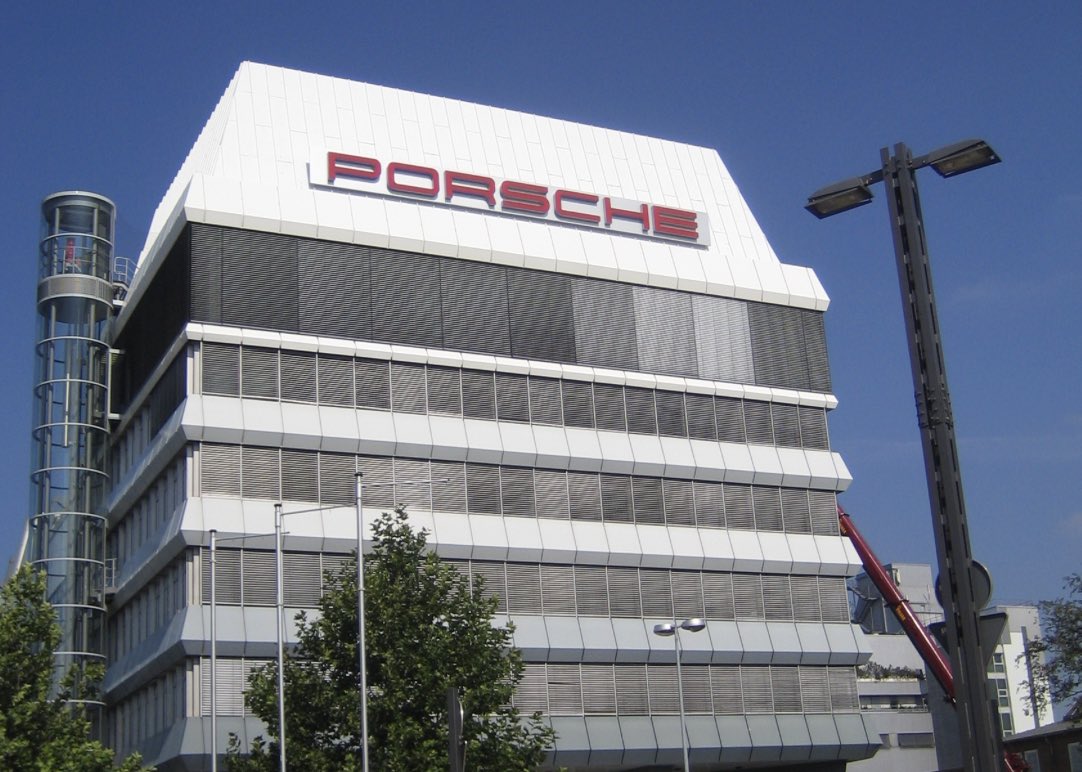
Porsche’s German workforce has accepted concessions in return for investment and protection from compulsory redundancies, exposing the negotiated cost of Europe’s automotive transition.
Porsche has struck a far-reaching agreement with its German works council that exchanges pay and flexibility concessions for investment, voluntary job reductions and protection from compulsory redundancies until 2035.
The company’s “Future Package” includes €2.1 billion of investment in the Zuffenhausen and Weissach sites and envisages roughly 5,000 further job reductions by 2035 through voluntary departures and natural attrition.
In return for the longer employment guarantee, workers will accept a delay to agreed pay increases, reduced Christmas payments and fewer mobile-working days. The settlement is not painless stability. It is a negotiated distribution of the cost of weaker demand, electrification and an increasingly difficult Chinese market.
That makes the agreement more instructive than a conventional restructuring announcement. European carmakers frequently promise investment while discussing job cuts as a separate matter. Porsche has placed both sides in the same bargain and made the price of industrial security visible.
A premium brand under ordinary pressure
Porsche enjoys margins and brand strength that many mass-market manufacturers cannot match. It is nevertheless exposed to the same forces remaking the European car industry.
Chinese demand has weakened, while domestic manufacturers have become formidable competitors in electric vehicles. Development costs remain high, trade tensions complicate sourcing and Porsche must support combustion-engine, hybrid and battery-electric products during an uncertain transition.
The company’s prestige does not remove the burden of underused capacity. Plants and engineering centres are expensive to maintain when volumes disappoint. Shareholders expect management to protect profitability; workers expect decisions made during temporary weakness not to hollow out a valuable industrial base permanently.
Reuters reported that the agreement extends job security while imposing further workforce reductions. The distinction is important: a promise of no compulsory redundancies does not mean no jobs disappear.
Attrition and voluntary programmes can reduce conflict and protect existing employees. They can also change the age and skill profile of the company. If experienced engineers leave faster than new software, battery and electronics specialists are recruited, Porsche may meet a numerical target while weakening critical capability.
What workers give up
The settlement delays a 3.5 per cent pay increase and reduces Christmas payments. Mobile-working allowances are expected to fall from twelve days a month to eight.
Each concession is modest when viewed alone. Together, they demonstrate that the workforce is contributing directly to restructuring rather than merely accepting fewer future positions.
The works council can argue that this secures sites and avoids forced dismissals. Management gains lower costs and more predictable staffing. Both sides are betting that Porsche’s underlying position will recover before the guarantee expires.
The value of that guarantee depends on its legal detail. Commitments can contain exceptions for severe economic shocks or changes outside management’s control. Employees will want to know what constitutes a breach and what remedies apply if production is moved elsewhere.
Investment promises also require scrutiny. The €2.1 billion figure is substantial, but its composition matters. Spending already planned should not be presented as a new concession, and research expenditure does not necessarily guarantee long-term production at a particular plant.
Germany’s industrial bargain
The agreement reflects the distinctive role of German works councils and co-determination. Restructuring is negotiated through institutions that give labour influence over timing, methods and site commitments.
That process can appear slow compared with an abrupt closure. Its supporters argue that negotiated adjustment preserves skills and social stability. Its critics say long guarantees can delay necessary changes and transfer risk to shareholders.
In practice, Porsche’s settlement attempts to buy time. The company can reduce headcount without a mass redundancy confrontation, while workers receive a decade-long horizon for the core German sites.
EU Today recently examined how Volkswagen lowered its 2026 outlook as Chinese pressure deepened Europe’s industrial challenge. Porsche’s deal shows how that sector-wide pressure is translated into workplace terms: fewer positions, restrained compensation and investment tied to continued competitiveness.
The electric transition is not linear
European policy has often treated electrification as a predictable sequence: investment rises, battery-vehicle sales increase and combustion production declines.
The commercial reality is less orderly. Consumers have responded unevenly to prices, charging access and incentives. China’s companies have compressed development cycles, while European manufacturers carry legacy factories and dealer networks.
Porsche must therefore fund new technology without assuming that one powertrain will displace the others on schedule. That increases engineering complexity and makes flexible production more valuable.
The settlement should be judged partly on whether it supports that flexibility. Investment in software integration, batteries and modern assembly can strengthen the German sites. Investment that merely preserves current layouts may postpone rather than solve the problem.
A model with limits
Other European manufacturers will study the agreement, but Porsche’s margins and brand loyalty make it an unusual case. A weaker company may not be able to finance both investment and a long employment guarantee.
Nor should voluntary job reductions be mistaken for a painless national strategy. If thousands of well-paid industrial jobs disappear across several manufacturers, regional suppliers, apprenticeships and local tax bases will be affected even without a dramatic plant closure.
Governments can support training, infrastructure and energy competitiveness. They cannot permanently protect every existing role or compensate for products customers do not buy.
Porsche’s management and workforce have therefore accepted a sober bargain. Employees surrender some income and flexibility; the company commits capital and limits its freedom to dismiss. Both share the risk that market conditions may remain difficult.
The headline promise runs to 2035. The test will arrive much sooner. If investment creates competitive products and the German sites win future work, the settlement will look like disciplined adjustment.
If volumes continue to fall, the company will return to the table with fewer easy savings available. A guarantee can create breathing space. It cannot manufacture demand.
Main Image: – Flickr via Wikipedia
__________________________________________________________________________________________________________________
Click here for more News & Current Affairs at EU Today
Click here to check out EU TODAY’S SPORTS PAGE!
___________________________________________________________________________________________________________________

