
Diplomacy covers official visits, negotiations, international organisations, bilateral relations and the work of ambassadors and diplomatic missions.
Bucharest has moved from military interception to diplomatic retaliation after repeated drone incursions, escalating a dispute over the spillover of Russia’s war into NATO territory.
Romania has expelled a Russian diplomat and recalled its ambassador from Moscow for consultations after Romanian forces shot down three drones during a series of incursions between 24 and 26 July.
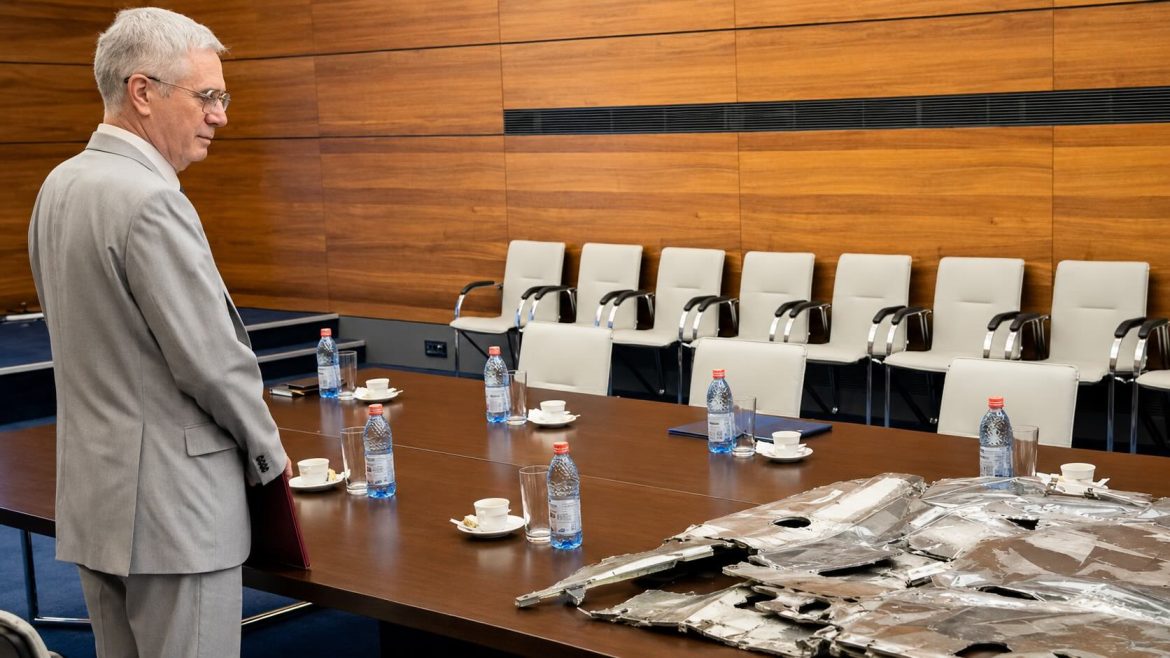
The foreign ministry summoned Russia’s ambassador, presented debris identified by Romanian investigators as belonging to a Russian-origin drone and delivered a note declaring an embassy employee persona non grata. The diplomat was reportedly given five days to leave.
The decision moves the dispute beyond air-defence procedure. Romania is now attributing political responsibility to Russia and imposing a formal diplomatic cost, while stopping short of describing the incidents as an armed attack requiring a collective NATO response.
That middle position is deliberate. Bucharest needs to show that repeated violations are intolerable without allowing every drone incident to create an automatic path towards direct confrontation between NATO and Russia.
From interception to attribution
Romania’s south-eastern frontier lies close to Ukrainian ports and shipping routes on the Danube. Russian attacks on Ukrainian infrastructure have repeatedly placed missiles and drones near Romanian territory.
In previous incidents, allied governments often emphasised whether an object had entered accidentally, lost navigation or fallen after being engaged elsewhere. The new Romanian response reflects the cumulative effect of repeated incursions rather than a single ambiguous flight.
Reuters reported that the diplomat was expelled in protest at the violations. Romanian officials described continued breaches of national, NATO and EU airspace as unacceptable and placed responsibility on Moscow for the deterioration in regional security.
The presentation of wreckage is important because diplomatic action should rest on evidence. Components may help establish the type of aircraft and its origin, although they do not necessarily prove the intention behind a particular flight path.
Romania must therefore distinguish origin, control and intent. A Russian-manufactured drone used in an attack on Ukraine may enter Romanian airspace because of programming, jamming, damage or deliberate direction. Each scenario violates safety and sovereignty; not all carry the same escalation risk.
NATO’s threshold problem
Article 5 of the North Atlantic Treaty is a political commitment to treat an armed attack against one ally as an attack against all. It is not an automatic mechanism activated by every border incident.
Allies consider damage, intent, scale and continuing threat. A drone crossing that causes no casualties may be treated through interception, consultation and diplomatic protest. A deliberate strike on Romanian territory would be a different category.
Moscow may exploit this space below the threshold. Repeated incursions can test detection, force costly interceptions and create anxiety without presenting NATO with a clear armed attack.
Bucharest’s expulsion is one way to impose cost without escalating militarily. Russia may respond by expelling a Romanian diplomat, a familiar form of reciprocity that narrows diplomatic channels but keeps the confrontation controlled.
The recall of Romania’s ambassador for consultations is also a signal rather than a break in relations. It allows the government to review policy and demonstrate seriousness while retaining the option of returning its envoy.
The price of shooting down cheap drones
The military problem remains after the diplomatic exchange. Romania must detect and defeat relatively inexpensive unmanned aircraft without exhausting costly missiles or exposing civilians to falling debris.
Fighter aircraft can intercept drones, but maintaining sorties is expensive. Ground-based systems provide persistent protection but must distinguish hostile contacts from civilian traffic in a busy border region.
Electronic warfare and interceptor drones may offer cheaper options, although jamming can have unintended effects on navigation and communications. Guns are economical but have limited range and create their own debris hazard.
Defence Matters has followed the operational sequence, including Romania’s second drone shootdown and the subsequent third interception. The diplomatic expulsion is a material development because it converts those military events into a state-to-state dispute.
EU as well as NATO territory
Romania has stressed that its airspace is both NATO and European Union airspace. The formulation widens the political audience.
NATO provides the central military guarantee, but the EU has responsibilities in border management, infrastructure protection, sanctions and diplomatic co-ordination. Repeated Russian incursions test whether the two institutions can deliver a coherent response.
Romania can ask allies for additional surveillance and air-defence support while pressing European partners to treat the incident as part of Russia’s wider coercive behaviour. That may affect sanctions enforcement and future support for Ukraine even if it does not change NATO’s military posture immediately.
The incidents also strengthen the argument for allied systems that share radar data and assign targets across borders. A drone’s track may be visible to Ukrainian, Romanian and NATO sensors at different stages. Faster data exchange gives commanders more time to determine where it is going and how to respond.
What happens next
The first question is whether the incursions continue. If they stop, both sides may absorb the diplomatic exchange. If another drone enters Romanian territory, Bucharest will face pressure to impose a larger cost.
Romania should publish technical findings where operational security permits. Clear evidence makes it harder for Russia to dismiss the accusations and helps allies develop common criteria for future incidents.
Moscow’s response will also matter. A routine reciprocal expulsion would be predictable. A wider reduction in relations or an attempt to blame Romania for intervening in Russian operations would deepen the confrontation.
The government must communicate carefully with communities near the Ukrainian border. Air-raid warnings and falling debris create a real public-safety problem even when there is no deliberate attack on Romania.
The expulsion does not solve that problem. It states that repeated violations carry consequences and that Bucharest is no longer willing to treat each event as an isolated accident.
Romania is trying to defend two boundaries at once: its physical airspace and the political threshold between controlled response and direct NATO–Russia escalation. The diplomat’s departure shows that the cost of crossing the first is beginning to rise, even as Bucharest works to avoid crossing the second.

