
Travel covers European destinations, transport and tourism policy. Reporting includes aviation, rail and ferry networks, Schengen and visa rules, consumer and passenger rights, sustainable tourism and cultural heritage, major events and city updates. Features include destination briefings, practical guides and industry developments relevant to travellers in Europe.

Venice Carnival 2026: the mask tradition and the market that trades on it
written by Gary Cartwright
The Venice Carnival ended with the official programme running from 31 January to 17 February, under the theme “Olympus – The origins of the game”.
In the usual centres of gravity — the approaches to Piazza San Marco, the Rialto axis, the main pedestrian funnels — the festival again became what it now largely is: a moving photographic set in which visitors buy an identity at street level and wear it immediately.
 Venice Carnival 2026
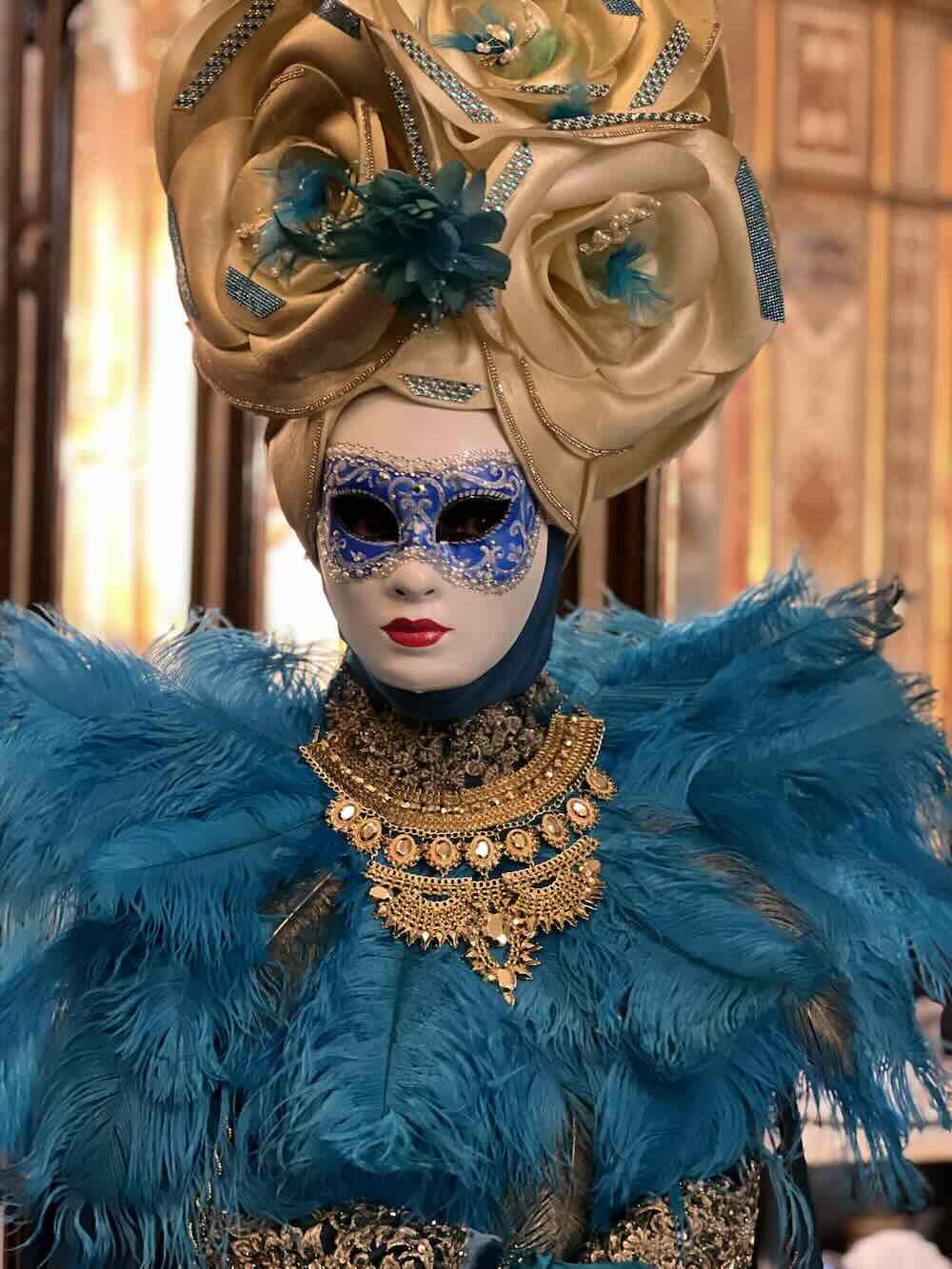


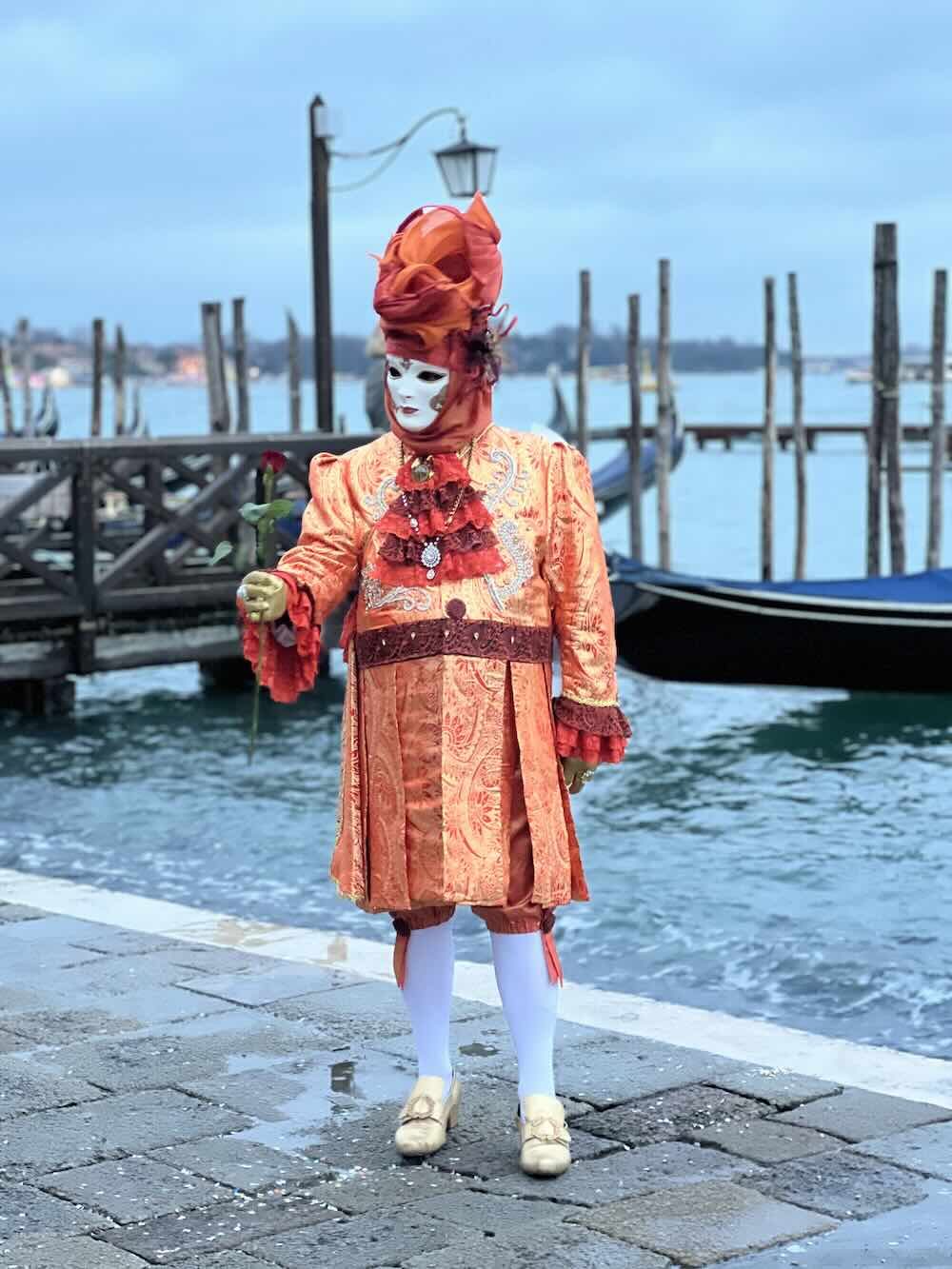


The mask remains the essential device. Venetian masks were never merely decorative; historically they were tied to anonymity and the controlled suspension of ordinary rules. In contemporary Venice, their role has shifted towards visual participation: the mask turns a visitor into a performer and turns the city into a backdrop for images.
Yet the object that symbolises Venetian Carnival is increasingly detached from Venice.
There are still workshops where masks are made as craft, not as props. Ca’ Macana, in Dorsoduro, presents itself as producing papier-mâché masks using traditional techniques and continues to run public activities that bring visitors into the process, including mask-decorating sessions and workshop-style experiences. These ateliers offer something that mass retail cannot: the visible stages of making, the feel of materials, and the fact that the mask is not simply bought but worked on. The appeal is not only the finished object, but the encounter with a living practice.

Ca’ Macana
The problem is scale and visibility. Authentic maskmaking exists, but it is no longer what dominates the streetscape during Carnival week. What dominates are temporary stalls and low-cost outlets selling products designed for rapid turnover: masks, capes, trinkets and novelty items priced for impulse purchase. The goods are often uniform across multiple stalls — the same glossy finishes, the same repeated designs — and the emphasis is speed, not provenance.

Souvenir stall on a Venice Carnival route, selling mass-produced masks and trinkets
Venice has been aware of the drift for years. In 2019, the city moved to restrict the spread of downmarket retail around key tourist zones, explicitly targeting low-quality souvenir and fashion outlets, including cheap carnival masks and plastic gondola miniatures. The logic was clear: Venice’s cultural capital is not an abstract concept but a commercial asset, and the city’s main retail corridors are part of the product. When those corridors are filled with the same low-cost merchandise found in any tourist city, Venice begins to sell its own image back to visitors in a cheapened form.
Supporters of the stalls will argue that they provide access. Not every visitor will pay artisan prices; families want something their children can wear for an hour, and day-trippers want a quick souvenir. The stalls are convenient and they meet demand created by the festival itself.
But convenience is not the same as benefit, and it is hard to see how Venice gains in proportion to what it gives up.
First, the value chain largely sits elsewhere. A handmade mask embeds local skill, time and workshop rent into the object. A mass-produced mask embeds cost-saving and volume manufacturing, which by definition do not take place in Venice. Even where sellers pay for permissions or space, that revenue is limited when compared with what a city loses when its central routes become an outdoor catalogue of generic goods. Venice’s “industry” is the city itself: its appearance, atmosphere and material authenticity.
Second, the stalls crowd out what visitors came to see. In a city where the experience relies on sightlines — stone, water, ageing façades, sudden openings into campos — repeated displays of temporary merchandise become visual noise. They also alter behaviour: instead of drifting, looking up, entering churches, or seeking quieter quarters, foot traffic becomes a single commercial stream along the same corridors.
Third, this retail layer weakens the relationship between Carnival and Venetian making. One of the most telling details about the remaining artisan shops is how rare they now feel. A recent guide to historic Venetian shops describes La Bottega dei Mascareri, near Rialto, as a place where it is unusual to see a master mask-maker at work — a statement that would have sounded strange when craft was the norm rather than the exception.
There is also a question that hangs over the cheapest masks: what, exactly, is the human cost of a price that no artisan could match? It is not possible to identify production conditions by looking at a mask on a stall, and any specific allegation about a given supply chain needs evidence. But the broader context is not in dispute. The International Labour Organization estimates 28 million people were in forced labour in 2021, and UNICEF and the ILO have reported 160 million children in child labour globally. In other words, when a festival market is flooded with ultra-cheap goods of unknown origin, it is not unreasonable to ask what sort of labour makes those prices possible — and why a city that trades on heritage should be comfortable selling mystery-manufactured imitations of its own emblem.
Tourists come to Venice in Carnival season for concrete reasons. They come because the city becomes a stage and the mask is an entry ticket; because photographs taken in Venice carry a recognisable prestige; because winter travel offers a different light and a different texture than high summer; and because, for those who look for it, there remains an authentic craft culture still capable of producing objects that are genuinely Venetian.
The question is whether the city is prepared to protect that culture at street level. Venice does not need imported masks to have a Carnival. What it needs is to decide whether the most visible version of its festival should be the one made by its artisans — or the one sold every few metres, cheaply, anonymously, and with no clear connection to Venetian history beyond the image it imitates.

