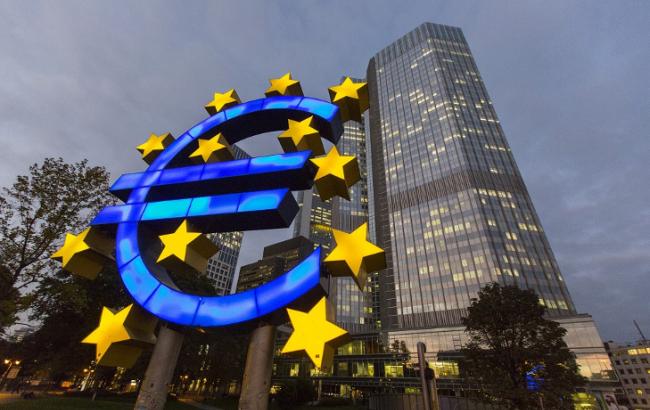
Senior European Central Bank (ECB) officials have raised concerns over the impact of a rising euro and looming US tariffs on the eurozone economy, which remains fragile despite signs of modest recovery.
Speaking at the ECB’s annual Forum on Central Banking in Sintra, Portugal, policymakers warned that a combination of currency appreciation and external trade barriers could stall progress in the region’s export sector and further dampen inflation.
The euro has appreciated by approximately 9% against the US dollar since April, with current trading levels around $1.18—up 14% since the start of the year. The surge reflects shifting investor sentiment as markets reassess Europe’s strategic positioning in response to US trade volatility and the bloc’s increasing focus on defence and industrial competitiveness.
However, ECB officials were quick to underline that the stronger currency presents a double-edged sword. While it reduces import costs and contributes to price stability, it also erodes the competitiveness of European exports—particularly concerning as eurozone manufacturing only recently began to recover from a multi-year downturn.
“If there is a 10% tariff plus a 10%-plus appreciation of the exchange rate, this is large enough to affect export dynamics,” said Martins Kazāks, Governor of Latvia’s central bank. His remarks reflect growing anxiety over the EU’s ability to maintain export momentum in the face of potential US trade measures. EU officials are working to finalise a trade agreement with Washington before a 9 July deadline, but expectations have dimmed as President Donald Trump has signalled a readiness to proceed with tariff increases.
ECB Vice-President Luis de Guindos echoed the concern, stating that the central bank could tolerate a euro rise up to $1.20, but anything beyond that would “complicate matters”. Speaking to Bloomberg TV, de Guindos emphasised that further appreciation would weigh on both inflation and growth.
The timing is significant, as the eurozone economy continues to adjust following the inflationary shock of 2022–23 and a prolonged manufacturing slump, in part driven by energy instability. A flash estimate published on Tuesday showed that eurozone inflation stood at 2% in June, in line with the ECB’s medium-term target. Consumer expectations for future price growth have also moderated, according to a recent ECB survey.
Despite concerns about external headwinds, the central bank appears unlikely to deliver further significant monetary easing in the near term. Kazāks noted that “the majority of the rate adjustment has been done”, and any future cuts would likely serve a signalling function rather than a material stimulus. De Guindos similarly argued that monetary policy alone was insufficient to address current challenges, pointing instead to the need for greater policy certainty in trade and fiscal coordination.
The ECB has cut interest rates eight times over the past year, reversing its earlier tightening cycle as inflation receded. However, it has signalled a pause in July. Gediminas Šimkus, Governor of the Bank of Lithuania, indicated that any further changes would probably not occur before year-end. “I don’t know if we’ll have all the information we need by September,” Šimkus said in an interview, “but I remain open to every possibility. I believe a move, if any, is more likely towards the end of the year.”
The ECB’s cautious stance comes as policymakers weigh the risks of acting too soon in an environment still marked by uncertainty. While core indicators suggest stabilisation, downside risks from global trade tensions, currency misalignments, and geopolitical fragmentation persist.
Read also:
EU Trade Chief Heads to Washington Amid Tariff Deadline, Dismisses Pressure to Alter Tech Rules