The deaths of four migrant farmworkers in southern Italy have returned attention to a problem that European governments have struggled to contain: the exploitation of vulnerable workers inside legal and illegal supply chains that serve the European market.
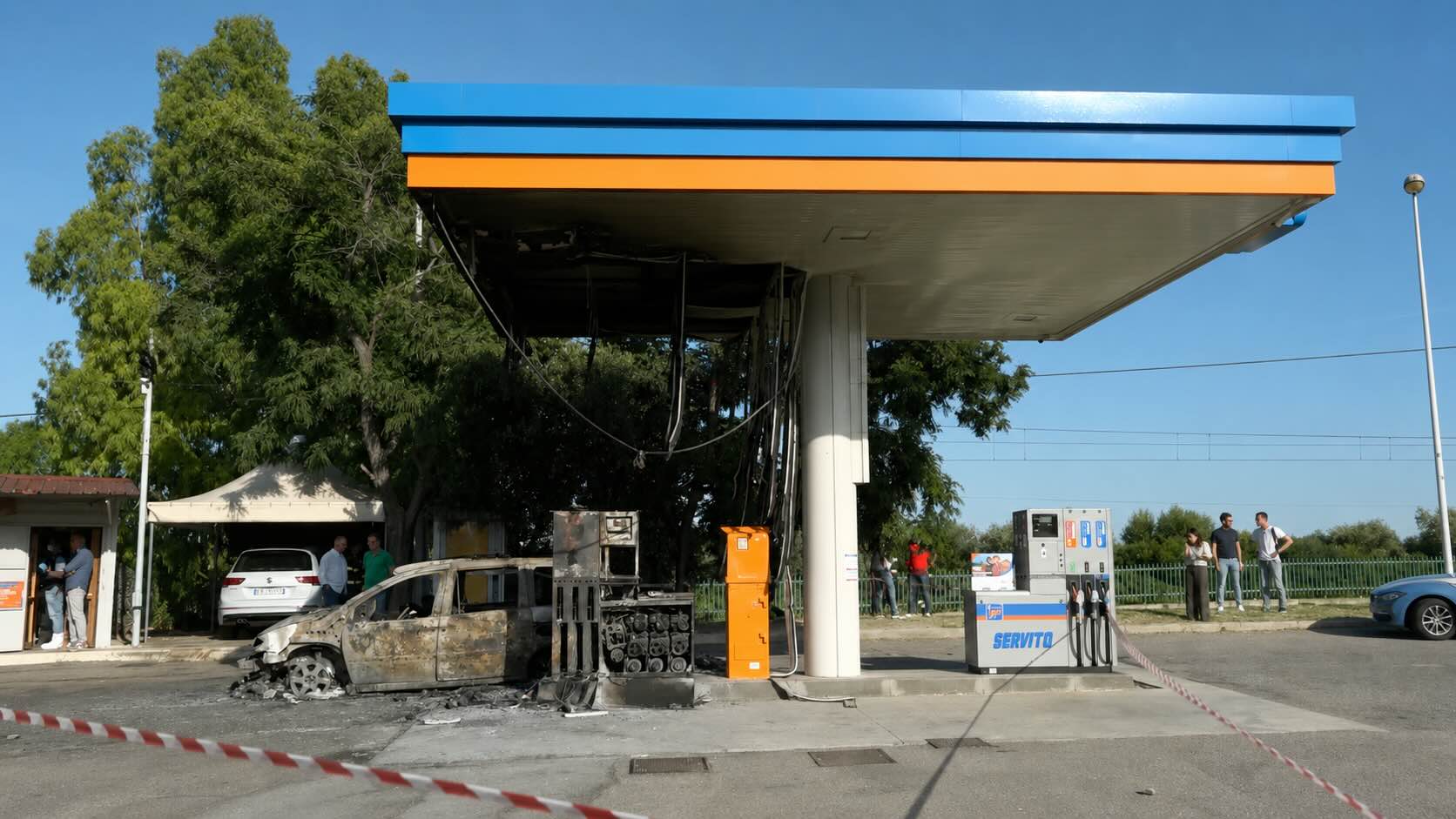
The men were found in a burned-out vehicle at a petrol station in Amendolara, Calabria. Italian police arrested two Pakistani nationals after surveillance footage reportedly showed the vehicle being set alight while the victims were still inside. One man survived with burns. The victims have been identified as three Afghan nationals and one Pakistani national, all of whom had been working in agriculture. Authorities have not yet announced a final motive, and the investigation remains ongoing.
The case is being investigated as a violent criminal attack, but it has also exposed a wider labour issue. The men were reportedly working as fruit pickers in conditions described as slave-like, with claims of unpaid wages, intimidation and control by intermediaries. The alleged circumstances have renewed scrutiny of Italy’s illicit gangmaster system, known as caporalato, through which vulnerable workers can be recruited, transported, housed and paid outside normal labour protections.
The system is not new. Southern Italy has for years relied on seasonal migrant labour for fruit and vegetable production. Some workers enter the country legally through seasonal visa channels, while others work without regular status. In both cases, dependence on intermediaries can make them vulnerable to debt, wage theft, threats, unsafe accommodation and irregular transport to farms. The result is a labour market in which abuse can continue even where formal laws prohibit it.
Italy has repeatedly pledged action. The death of Indian farmworker Satnam Singh in 2024, after he was allegedly abandoned without proper medical assistance following a workplace accident near Latina, led to national outrage and renewed promises of enforcement. Police operations have also uncovered cases in which migrant workers were made to work long hours for very low pay, had money deducted from their wages, or were trapped through debts linked to recruitment and work permits.
Yet the Calabria killings show that enforcement remains uneven. Labour inspections, criminal investigations and visa reforms can identify parts of the problem, but they do not automatically dismantle the networks that control workers at farm level. These networks often operate between formal agriculture and criminal coercion, using workers’ insecure immigration status, language barriers, lack of transport and need for income to maintain control.
The issue has broader European relevance. Italy is not an isolated case. Across the EU, agriculture, construction, logistics, domestic work and parts of food processing depend heavily on migrant labour. The problem is most visible when a death, police raid or court case reveals extreme abuse, but many forms of exploitation are less visible: unpaid overtime, illegal deductions, excessive recruitment fees, unsafe housing, confiscation of documents and threats linked to immigration status.
This creates a policy contradiction for the EU. Brussels has tightened rules on corporate due diligence, forced labour and supply-chain accountability, while member states continue to face labour exploitation within their own markets. The EU has adopted a Forced Labour Regulation to ban products made with forced labour, but internal enforcement still depends heavily on national labour inspectorates, police capacity, courts and local authorities. Where these systems are under-resourced or fragmented, exploitation can persist close to consumers.
The regulation, formally adopted by the Council in November 2024, prohibits products made with forced labour from being placed on the EU market or exported from it. It applies to products regardless of whether they are made inside or outside the Union, and the rules are due to apply from 14 December 2027. The Italian case underlines a practical difficulty: product bans can address goods linked to forced labour, but they do not by themselves guarantee protection for workers already inside the EU’s labour market.
The case also raises questions about legal migration policy. Prime Minister Giorgia Meloni’s government has expanded work visa quotas for non-EU nationals, arguing that legal channels can help address labour shortages and reduce irregularity. In principle, regular pathways can reduce vulnerability. In practice, if recruitment is controlled by intermediaries who charge high fees, mislead workers or link permits to exploitative employers, legal entry does not necessarily protect workers once they arrive.
For European policymakers, the issue is not simply whether more or fewer workers are admitted. It is whether the system through which they are recruited, housed, transported and paid is subject to effective control. Without enforcement at that level, expanding labour channels may supply sectors with workers without guaranteeing basic protection.
The Calabria killings are therefore not only a criminal case. They expose the gap between Europe’s formal labour standards and the realities faced by some of the workers who harvest, move and process goods within the single market. They also show how quickly labour exploitation can become linked to organised coercion and extreme violence.
A credible response would require more than statements of shock. It would need sustained inspections, prosecution of gangmasters, protection for workers who report abuse, scrutiny of subcontracting and recruitment chains, and consequences for businesses that benefit from illegal labour. It would also require EU-level attention to exploitation inside the Union, not only in imported supply chains.
The deaths in Calabria have brought an old problem back into public view. The test now is whether Italy and the EU treat the case as an exceptional crime or as evidence of a wider enforcement failure in Europe’s low-wage labour markets.