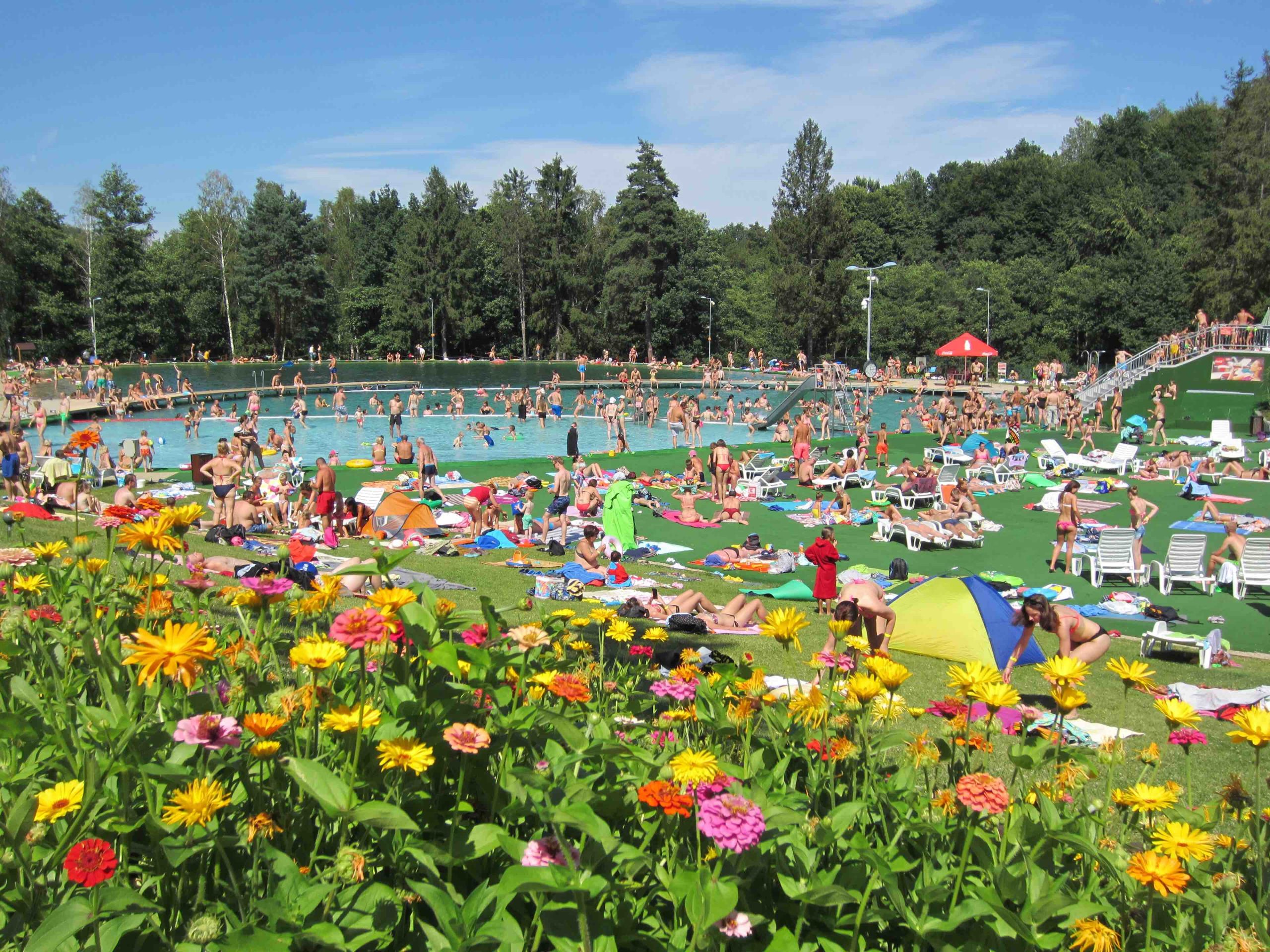
Europe’s summer has scarcely begun, yet large parts of the continent are already confronting temperatures more commonly associated with the height of August.
A powerful heat dome stretching from the Iberian Peninsula to central Europe has pushed thermometers towards 40°C, triggering health alerts, transport disruption and renewed concerns over Europe’s preparedness for extreme weather.
The latest heatwave, driven by a vast high-pressure system carrying hot air northwards from the Sahara, arrives on the summer solstice and is expected to linger for several days. Meteorologists in Spain, Italy, France and Germany have issued a series of red and orange warnings, while public authorities are urging residents to limit outdoor activity and take precautions against heat-related illness.
In Spain, temperatures approaching 40°C have prompted emergency measures across much of the country. Madrid’s streets have emptied during the hottest hours of the day, while regional authorities have warned of elevated wildfire risks. Similar conditions are affecting parts of Italy, where major cities including Rome and Milan have been placed under red alert.
France has taken some of the most far-reaching steps. Hundreds of schools have closed or altered schedules, public events have been cancelled, and restrictions have been imposed on alcohol consumption in some areas. The national rail operator has also cancelled services amid concerns that extreme heat could damage infrastructure.
Yet the most significant threat may not be to transport systems or public events, but to public health.
Heatwaves remain among Europe’s deadliest natural hazards. Unlike floods or storms, their impact is often less visible, unfolding in hospitals, care homes and private residences. Older people, young children, outdoor workers and those with underlying cardiovascular or respiratory conditions are particularly vulnerable. Medical experts warn that prolonged exposure to high temperatures can trigger dehydration, heat exhaustion, heatstroke and serious complications affecting the heart, lungs and kidneys.
The danger is compounded when temperatures remain elevated overnight. So-called “tropical nights”, increasingly common across southern and western Europe, prevent the body from recovering from daytime heat stress. Urban areas are especially exposed because concrete, asphalt and dense development retain heat long after sunset.
Europe has learned painful lessons from previous extreme summers. The 2003 heatwave, still regarded as one of the continent’s worst climate-related disasters, was associated with more than 70,000 excess deaths. Subsequent studies have shown that heat-related mortality has continued to rise as average temperatures increase and heatwaves become more frequent.
Public health agencies across Europe are therefore treating the current episode with unusual seriousness. Heat-health alerts have been activated in several countries, while emergency services are preparing for increased admissions linked to dehydration and heat-related illnesses. Authorities are advising people to remain hydrated, avoid direct sunlight during peak afternoon hours and check regularly on elderly relatives and neighbours.
There are already signs of wider environmental stress. Wildlife rescue centres in Belgium have reported growing numbers of heat-stricken animals, particularly young birds forced from overheated nests. Agricultural producers are also watching conditions closely as prolonged heat threatens crops and increases pressure on water resources.
Scientists continue to link the growing intensity and frequency of such events to climate change. While no single heatwave can be attributed solely to global warming, researchers argue that rising baseline temperatures are making extreme heat more likely and more severe. Western Europe has experienced a succession of record-breaking warm periods in recent years, raising concerns that conditions once considered exceptional may become increasingly routine.
For policymakers, the challenge extends beyond emergency response. Much of Europe’s housing stock, transport infrastructure and healthcare systems were designed for a cooler climate. As temperatures continue to climb, adaptation measures ranging from urban greening and cooling centres to heat-resilient buildings may become as important as flood defences or energy security strategies.
For now, however, the immediate priority is straightforward: protecting lives. As Europe enters what is traditionally its hottest season, the current heatwave serves as a stark reminder that extreme heat is no longer merely an environmental concern. It is increasingly one of the continent’s most pressing public health challenges.
Main Image: By Milan Bališin, CC BY-SA 4.0, https://commons.wikimedia.org/w/index.php?curid=50124274
France Braces for Record Temperatures as Europe’s Early Summer Heatwave Intensifies
___________________________________________________________________________________________________________________
Click here for more News & Current Affairs at EU Today
Click here to check out EU TODAY’S SPORTS PAGE!
___________________________________________________________________________________________________________________