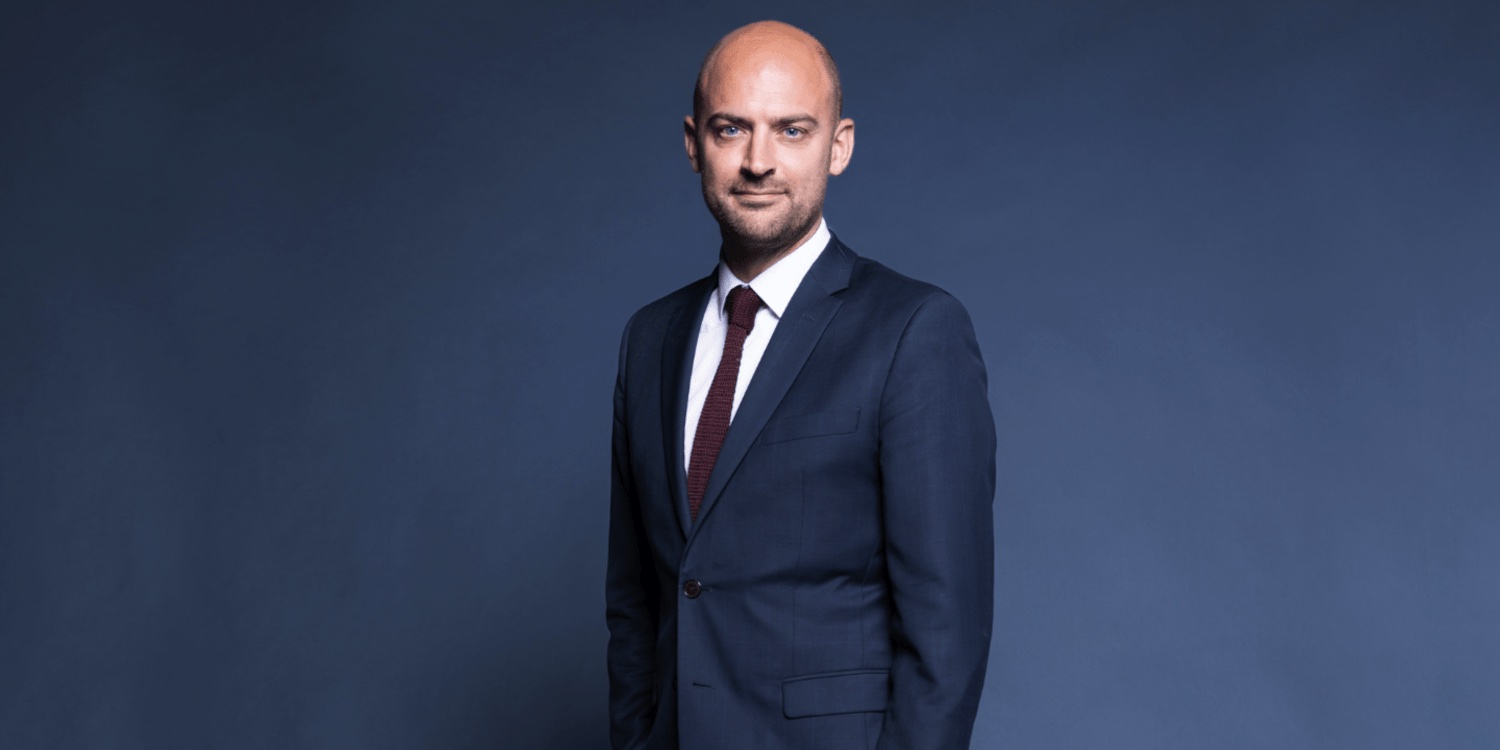
In a speech that has sent ripples through diplomatic circles in Paris and beyond, France’s Minister for Europe and Foreign Affairs, Jean-Noel Barrot, delivered a stark message this week: Europe must rediscover its backbone in the face of what he described as “unacceptable proposals” from its closest ally, the United States.
It was a declaration that, in tone and tenor, signals a profound moment in the transatlantic relationship — one not merely of disagreement, but of strategic re-evaluation.
Speaking to a gathering of French ambassadors in the ornate salons of the Quai d’Orsay, Mr Barrot articulated a sentiment that many in European capitals have quietly harboured but rarely stated so bluntly. “It is our right to say no,” he asserted, “to an historic ally, however historic it may be, when its proposal is unacceptable.”
This is not business as usual in Franco-American diplomacy. Nor is it merely the grumbling of a Parisian foreign minister out of step with Washington’s wider strategies. Instead, Mr Barrot’s remarks capture a wider disquiet: a growing sense among European leaders that the United States under President Donald Trump is redefining the terms of engagement with its partners in ways that could have lasting consequences for European autonomy, unity and security.
The source of this unease is manifold. At the top of the list — literally and metaphorically — is the recurring saga over Greenland, the large, sparsely populated Arctic territory that Denmark administers and which has become an unlikely centrepiece of transatlantic tension. President Trump’s repeated suggestions that the United States might pursue control of Greenland — a proposal that has been dismissed in Copenhagen as unrealistic and even absurd — are viewed in Paris and Berlin as emblematic of a broader willingness in Washington to upend longstanding norms and alliances.
For European capitals, Greenland is not merely a patch of ice. It is symbolic of the post-war order in which NATO allies and partners respect each other’s sovereignty, share strategic intelligence and uphold collective defence commitments. The very suggestion that such a territory could be “up for grabs” has fed a broader narrative that the United States, long Europe’s security guarantor, may be shifting away from its traditional role in ways that leave Brussels, Paris and Berlin scrambling for a response.
Mr Barrot did not stop at Greenland. His speech cast the current state of transatlantic relations into sharp relief by likening the pressures on Europe — from trade coercion to geopolitical assertiveness — to those posed by other global challengers. In doing so, he evoked a historical memory of European divisions being exploited from the outside, a theme that resonates deeply in a continent forged through centuries of conflict and reconciliation.
What makes this moment noteworthy is not just the strength of Mr Barrot’s language but the context in which it has emerged. Across Europe, political leaders are confronting a stark dilemma: how to balance the enduring benefits of the transatlantic alliance with an emerging imperative to assert strategic autonomy. That dilemma is being felt not only in foreign ministries but in the broader debates over defence spending, economic sovereignty and the future of European unity itself.
Germany, too, has added its voice to this chorus of concern. President Frank-Walter Steinmeier, speaking separately this week, warned of an erosion of shared values in transatlantic relations, lamenting a drift that could turn the world into “a den of robbers, where the most unscrupulous take whatever they want.” Such language from Berlin underscores just how widespread these anxieties have become among Europe’s political elite.
Domestically, Paris is acutely aware of its own political calendar. With the French presidential election looming in less than 18 months, debates over national sovereignty, European unity and France’s place on the world stage are bound to intensify. Mr Barrot’s rhetoric — particularly his pointed reference to efforts to support political movements that would “turn their backs on the European heritage” — can also be read as a strategic signal to voters, affirming Paris’s commitment to defend both national and continental interests in a fractious global landscape.
Yet for all the boldness of Mr Barrot’s speech, there remains a paradox at the heart of Europe’s approach: the desire to assert greater independence from Washington sits alongside a continuing reliance on American military, economic and diplomatic clout. Navigating that paradox will require nimble statesmanship and a coherent strategic vision that, for now, remains under construction in capitals from Lisbon to Warsaw.
In the immediate term, what Mr Barrot has done is articulate a new phase in European self-confidence — one that recognises the limits of acquiescence and the necessity of saying no when core principles are at stake. Whether this marks a permanent shift in Europe’s posture towards the United States, or simply a fleeting moment of rhetorical defiance, remains to be seen. But as the European Union charts its course through an increasingly contested global order, the message from Paris this week was unmistakable: Europe does not intend to be led unquestioningly, even by its oldest and closest ally.
Main Image: https://www.diplomatie.gouv.fr/en/our-ministers/jean-noel-barrot/biography/
Click here for more News & Current Affairs at EU Today
Click here to check out EU TODAY’S SPORTS PAGE!
____________________________________________________________________________________________________________________________