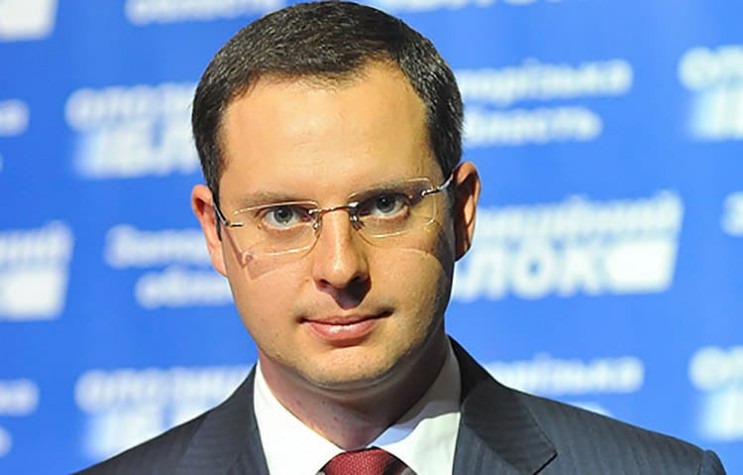
German authorities have searched the residence of a former senior Ukrainian official, Rostyslav Schurma, following a request from Ukrainian anti-corruption investigators. The raid took place on 15 July in Starnberg, Bavaria, and was carried out at the behest of the National Anti-Corruption Bureau of Ukraine (NABU), according to Der Spiegel.
Schurma, 41, served for nearly three years as Deputy Head of the Office of the President of Ukraine, where he was responsible for overseeing economic policy under President Volodymyr Zelenskyy. A former business executive, he was regarded as one of the prominent technocrats brought into government by Zelenskyy. He stepped down from his post in September 2024 and later relocated to Germany with his family.
The Bavarian search operation comes amid a broader Ukrainian investigation into alleged misconduct by current and former members of Zelenskyy’s inner circle. Schurma is one of several individuals linked to the President’s office now under scrutiny by NABU. While no formal charges have been brought, the move to secure cooperation from German authorities through international legal assistance suggests the seriousness of the Ukrainian inquiry.
Schurma has not commented publicly on the latest developments. In previous instances, he has denied any wrongdoing. Attempts by the press to reach him for a statement have been unsuccessful.
The timing of the raid has attracted attention due to its proximity to a controversial legislative move in Kyiv. Just one week after the operation in Starnberg, President Zelenskyy signed a law curbing the powers of NABU and another key anti-corruption body. The decision triggered significant domestic opposition and raised concerns within the European Union, where Ukraine’s anti-corruption commitments are closely monitored as part of its EU accession process.
Ukrainian civil society groups reacted strongly. Daria Kaleniuk, a prominent anti-corruption campaigner and director of the Anti-Corruption Action Centre (AntAC), suggested that the Schurma case may have been a catalyst for the President’s decision to strip NABU of its authority. According to Kaleniuk, moves to weaken the institution risk undermining investigations into high-level figures and could be perceived as an attempt to shield current or former officials from scrutiny.
Following mounting public pressure and criticism from Western partners, President Zelenskyy moved to reverse course by submitting draft legislation to restore the independence of anti-corruption bodies. The Ukrainian parliament has since passed the bill, reaffirming the formal autonomy of institutions such as NABU.
The episode has placed renewed focus on the tension between Ukraine’s declared reform agenda and the realities of political governance during wartime. Ukraine has long faced scrutiny over corruption, a concern magnified by the substantial flows of Western aid and the expectation of transparency as part of Ukraine’s alignment with EU standards.
The European Commission and several EU member states have stressed the importance of preserving institutional independence for NABU and the Specialised Anti-Corruption Prosecutor’s Office (SAPO). The controversy over the July law had prompted informal warnings that Ukraine’s path towards EU membership could be jeopardised if the rule of law benchmarks were seen to be weakened.
Meanwhile, the Schurma case remains ongoing. Details of the investigation have not been disclosed by NABU or German authorities, and it is unclear whether the former official is likely to face charges either in Ukraine or abroad. However, the international dimension of the inquiry—reaching into German jurisdiction—underscores the increasing use of cross-border cooperation in Ukraine’s post-2014 anti-corruption framework.
While the Ukrainian government has taken several high-profile steps to address corruption since the beginning of the full-scale Russian invasion in 2022, the effectiveness and consistency of these efforts remain under international observation. The recent events surrounding Schurma, NABU, and the Zelenskyy administration have again drawn attention to the complexities of governance and accountability during wartime.
Ukraine Faces Growing Financing Shortfall Amid War Escalation and Reform Delays