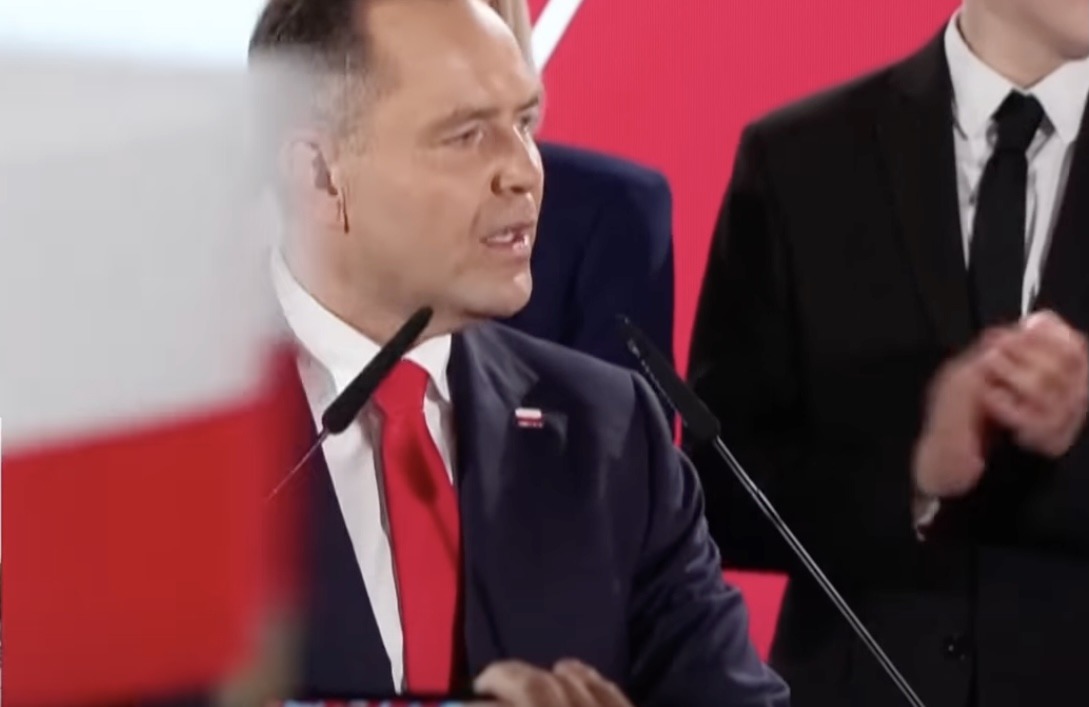
Polish President Karol Nawrocki has cancelled a planned bilateral meeting with Hungarian Prime Minister Viktor Orbán following the latter’s recent visit to Moscow for talks with Russian President Vladimir Putin.
The decision was announced on Sunday morning by Marcin Przydacz, head of the International Policy Bureau in the Polish president’s chancellery, in a post on X. He said Nawrocki had decided to limit his upcoming trip to Hungary “solely to the summit of Visegrad Group presidents in Esztergom”, invoking the security legacy of late Polish president Lech Kaczyński and the need for European solidarity, including in the energy sphere.
Nawrocki is due to travel to Hungary on Wednesday 3 December for a two-day visit. According to the original programme, he was to attend a summit of Visegrad Group (V4) leaders – Poland, Hungary, Czechia and Slovakia – and then pay an official visit to Budapest on Thursday, accompanied by his wife, including talks with Orbán. That second-day programme has now been dropped, while participation in the presidential summit in Esztergom remains.
Przydacz stressed that the Polish president “consistently supports the search for real ways to end the war in Ukraine”, launched by Russia, and framed the move as a response to the political context of Orbán’s Moscow trip. The Esztergom summit, he added, would focus on security and regional co-operation in Central Europe with the presidents of Czechia, Slovakia and Hungary.
Orbán prepares Moscow trip with large delegation for energy-heavy talks with Putin
Orbán’s visit to Moscow on 28 November was one of the few by an EU or NATO leader to Russia since the full-scale invasion of Ukraine in 2022. In talks at the Kremlin, he sought to secure continued supplies of Russian oil and gas, describing them as vital for Hungary’s energy security, while Russia signalled openness to hosting a future peace summit in Budapest involving Donald Trump.
The Hungarian leader has for years maintained close political and economic ties with Moscow despite successive rounds of EU sanctions. He has openly argued that, after the war, Ukraine should exist only as a “buffer state” between Russia and NATO, presenting this as the sole basis for a lasting settlement – a position that Kyiv and several EU capitals view as a direct challenge to Ukraine’s sovereignty and its long-term security guarantees.
Viktor Orbán’s Provocative Statements on “buffer zone” Ukraine
Nawrocki’s change of plans comes against the backdrop of wider diplomatic manoeuvring around a controversial United States peace initiative for Ukraine associated with Trump special envoy Steve Witkoff. The emerging 28-point framework, drafted in part in consultation with Russian officials, envisages a ceasefire largely freezing current front lines, recognising Russian control over Crimea and the whole of Donetsk and Luhansk, restricting Ukraine’s armed forces and ruling out NATO membership.
The plan has prompted unease among Ukraine’s European partners and criticism in Washington, amid accusations that it aligns closely with Russian preferences. It is being discussed as Ukraine faces continued Russian missile and drone strikes and a domestic political shock following the resignation of presidential chief of staff Andriy Yermak after an anti-corruption raid on his home.
Before Przydacz confirmed that Nawrocki would not meet Orbán, Polish Prime Minister Donald Tusk had already reacted to the planned encounter. In a post on X on Friday he linked Orbán’s Moscow talks, Nawrocki’s then-scheduled visit to Budapest, turmoil around the Witkoff proposal and the situation in Kyiv, describing the combination as “fatal”.
The episode highlights ongoing tensions within Poland’s own leadership over Ukraine and relations with Hungary. Nawrocki, elected president earlier this year, has clashed with Tusk’s government on several issues, including a veto in August of legislation extending parts of Poland’s support package for Ukraine and disputes over his access to intelligence briefings.
It also underlines the strain within the Visegrad Group over Russia policy. Co-operation among the four Central European states has become less cohesive since 2022, when defence ministers from Poland, Czechia and Slovakia pulled out of a V4 meeting in Budapest in protest at Hungary’s stance on the war.
By cancelling only the bilateral element of his Hungarian trip while maintaining attendance at the V4 summit, Nawrocki has signalled Warsaw’s continued interest in regional formats, but without granting Orbán a high-profile one-to-one meeting immediately after the Hungarian leader’s talks with Putin. How this calibrated response will affect both the future of the Visegrad framework and Poland’s already complex relationship with Hungary remains to be seen, as wider negotiations over Ukraine’s future – including the contested Witkoff plan – continue.