Pope Leo’s decision to spend part of his Spanish tour behind the walls of one of the country’s largest prisons was more than a pastoral engagement. It was a statement of priorities.
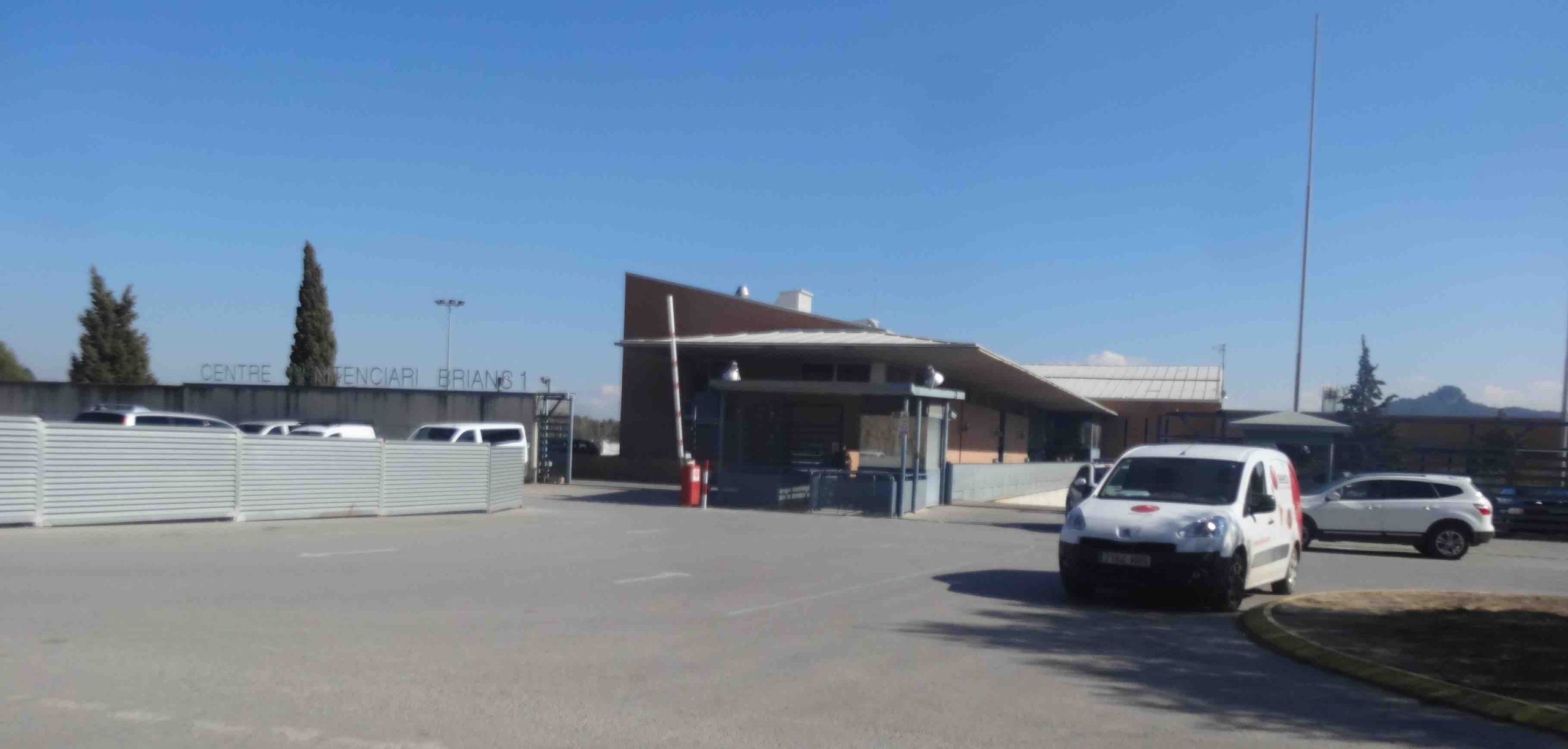
On Wednesday, the pontiff became the first pope to visit a prison in Spain, meeting inmates at Barcelona’s Brians 1 penitentiary in a carefully choreographed yet deeply symbolic act. At a time when European politics is increasingly dominated by debates over borders, crime and social division, Leo chose to direct the Church’s attention towards one of society’s least visible populations: prisoners.
The visit fits an emerging pattern. Since his election, Leo has repeatedly demonstrated a preference for encounters that elevate those on the periphery of public life. Migrants, abuse survivors, the homeless and now prisoners have occupied prominent places in his itinerary. His message appears clear: the moral health of a society can be judged by how it treats those with the least power.
According to Reuters, the pope encouraged inmates to acknowledge responsibility for their crimes while remaining open to the possibility of personal transformation. “The past,” he told them, “does not condemn the future but rather offers the possibility of changing our decisions and choices.”
The words echoed one of Christianity’s oldest themes — redemption — but they also carried contemporary relevance. Across Europe, political discourse has often emphasised punishment over rehabilitation. Rising concerns about public security have translated into tougher sentencing policies and, in some countries, increasingly overcrowded prison systems.
Leo’s intervention does not suggest indifference towards victims of crime. Rather, it reflects a longstanding Catholic teaching that justice should encompass both accountability and the prospect of renewal. The Church has traditionally argued that imprisonment should protect society while preserving the dignity of the individual.
That message may prove challenging in an era of populist politics. Advocating for prisoners rarely yields political dividends. Those serving sentences seldom command public sympathy, and few constituencies actively campaign for prison reform. Yet it is precisely this absence of political advantage that lends Leo’s actions their significance.
The prison visit formed part of a broader Spanish tour that has highlighted several defining features of the new pontificate. Leo has spoken forcefully about migration, warning against rhetoric that divides societies for short-term electoral gain. He has encouraged clergy to resist the culture of gossip amplified by social media. He has also sought to engage younger generations who have drifted away from organised religion.
Spain offered an appropriate backdrop. Once among Europe’s most devout Catholic societies, the country has undergone profound secularisation over recent decades. Church attendance has declined sharply, particularly among younger Spaniards. Yet questions of solidarity, identity and social cohesion remain deeply contested.
Against that backdrop, Leo appears intent on repositioning the Church less as a combatant in ideological battles and more as an advocate for human dignity. The emphasis is not on winning arguments but on accompanying those whom others overlook.
His prison visit also served as a reminder that Catholic social teaching has often sat uneasily within conventional political categories. Concern for law and moral responsibility coexists with insistence on mercy. Respect for social order is balanced by a belief that no person should be defined solely by their worst actions.
Whether this approach resonates beyond the Church remains uncertain. Europe’s increasingly fragmented political landscape offers limited space for messages that reject easy binaries. Yet Leo seems willing to occupy that uncomfortable middle ground.
In choosing Brians 1 as a destination during one of his first major European tours, Pope Leo sent a signal about the kind of leadership he intends to exercise. The prisoners he met may never feature prominently in political speeches or electoral campaigns. But in the Vatican’s moral calculus, they remain part of society’s shared responsibility.
For a pope still shaping the contours of his papacy, the image was unmistakable: a spiritual leader walking through prison gates, insisting that justice and hope need not be opposing ideals.
Click here for more News & Current Affairs at EU Today
Click here to check out EU TODAY’S SPORTS PAGE!
___________________________________________________________________________________________________________________